

Regular eye exams provide insight into how well your eyes function and how their health changes over time. Detecting issues early allows for more effective management of vision concerns. Understanding what these exams involve helps show how they contribute to long-term visual well-being. Here are a few factors to look at when understanding the benefits of regular eye exams for vision health:
Exam Overview
A comprehensive eye exam assesses far more than reading letters on a chart. It evaluates several aspects of eye health and visual function, examining both the front and back of the eyes with specialized diagnostic tools. This approach provides a detailed understanding of how the eyes work together and helps identify changes that may impact vision quality.
The evaluation typically begins with a review of the medical and family history to identify any factors that may impact eye health. Medications that could affect vision are also discussed. Testing includes measuring visual clarity at different distances and determining the correct prescription for glasses or contact lenses. Additional assessments may evaluate pupil reactions, peripheral vision, and eye movement coordination, giving a complete picture of overall eye function.
Diagnostic Tools
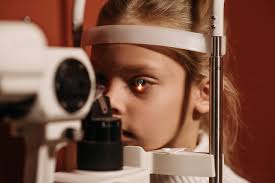
Modern exams incorporate advanced instruments to assess various aspects of eye health. Measurements of intraocular pressure help evaluate the eye’s internal environment, while slit-lamp microscopy offers a detailed view of the cornea, lens, and other front structures. Retinal examinations provide information on the optic nerve, macula, and blood vessels, revealing patterns that may indicate changes over time.
Age Guidelines
Eye health evolves over a lifetime, with age 40 often marking a stage when new conditions may emerge. A comprehensive baseline exam at this point provides an overview of current eye health and establishes a reference for tracking any changes. Follow-up exam frequency varies depending on individual risk factors, with adults who have healthy eyes potentially requiring less frequent visits.
Disease Detection
Systemic conditions, such as diabetes and hypertension, can impact eye health. High blood sugar may affect small blood vessels in the retina, while elevated blood pressure can cause similar vascular changes. Specialized exams can reveal these effects before symptoms are noticeable, providing valuable information for ongoing monitoring and guidance to manage potential risks.
Many eye conditions develop gradually without obvious early symptoms. Glaucoma can progress silently, while macular degeneration affects central vision, which is often needed for reading and performing detailed tasks. Cataracts also form slowly, affecting clarity over time. Regular eye exams help track these changes, inform treatment planning, and support management of vision as it evolves.
Eye Benefits
Regular exams help monitor vision changes and assess overall eye health. They can detect early signs of conditions like glaucoma or cataracts, even before symptoms appear. Exams may include tests for visual acuity, eye pressure, and retina health. Schedule an eye exam to establish a baseline and track your eye health over time.
- Early detection of eye conditions before symptoms appear
- Accurate prescription updates for clear vision
- Monitoring of chronic conditions affecting eye health
- Personalized prevention strategies based on individual risk factors
- Access to advanced diagnostic technology
- Professional guidance on maintaining eye health
Schedule an Eye Exam Today
Regular eye exams play a key role in tracking vision changes and overall eye health. These exams can reveal early signs of conditions such as glaucoma or cataracts, often before noticeable symptoms develop. Testing typically evaluates visual acuity, eye pressure, and retina condition to provide a comprehensive view of eye health. Take the first step in protecting your vision by scheduling an eye exam today.
- Tips for Maintaining Spinal Health Through Chiropractic Care
- How to Choose the Right Sports Medicine Specialist for Your Needs
- The Connection Between Hair Loss Treatment and Overall Scalp Health
- What to Expect in a Session with a PTSD Therapist
- Exploring Ingredients and Formulations in White Label Health and Beauty Products