

Proper wound care is fundamental for preventing infection and supporting healthy healing. Some wounds require prompt medical attention to prevent complications and achieve the best possible outcome. Here is more information on what to assess when deciding when to see a doctor for wound care:
Understanding Wound Types
Most minor scrapes heal with simple first aid, but certain wounds demand immediate medical evaluation. It is helpful to recognize which injuries are more likely to lead to complications. The following types of wounds require a doctor’s attention:
- Lacerations: Deep cuts that penetrate the skin and extend into underlying tissue. Lacerations often bleed a lot and may need stitches to heal correctly.
- Punctures: A puncture wound happens when a sharp object, like a nail, pierces the skin. While these wounds might not bleed much, they can be deep and often damage internal organs or bones.
- Abrasions: Scrapes or road rash are regarded as abrasions. While many are superficial, larger or deeper ones can become infected and may lead to scarring without proper treatment.
- Avulsions: These are severe injuries where the skin and tissue are torn away. Avulsions bleed heavily and cause significant damage, making medical wound care necessary.
Contemplate seeking wound care if you have one of these injuries; timely care can prevent serious health issues.
Noticing Healing Problems
Even a minor wound can become a problem if it doesn’t heal as expected. A key part of at-home wound management is monitoring the injury for signs of trouble. If you notice any concerning changes, it is time to seek professional medical advice. A non-healing wound is often a sign of an underlying issue that needs attention, and a doctor can help identify the cause.
Look for signs like increased redness spreading from the wound, persistent swelling, or warmth around the injury. If you also notice pus draining from the wound or if the pain gets worse instead of better, you should see a doctor. A fever is another red flag that may indicate a systemic infection and requires immediate medical evaluation.
Managing Risks
For individuals with certain chronic health conditions, even a small wound can become a serious health risk. Conditions like diabetes, peripheral artery disease, or a compromised immune system can significantly slow down the body’s natural healing process. This increases the risk of infection and other major complications. If you have a chronic condition that affects healing, it is helpful to have any wound, no matter how minor, checked by a doctor.
Supporting Better Healing
When you see a doctor for wound care, they use several methods to promote healing and prevent complications. A medical professional will assess the wound thoroughly and create a wound treatment plan tailored to your specific needs. Here are some ways a doctor can help:
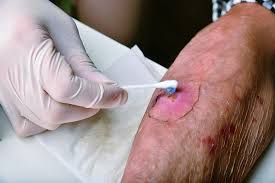
- Proper Cleaning: A doctor will thoroughly clean the wound to remove dirt, debris, and bacteria, a key step in preventing infection.
- Closing the Wound: For deep cuts, a doctor may use stitches, staples, or surgical glue to close the wound, helping it heal faster and reducing scarring.
- Dressing the Wound: Medical professionals use sterile dressings to protect the wound from bacteria and maintain a moist environment that is ideal for healing.
- Prescribing Medication: If there is a risk of infection, a doctor may prescribe antibiotics and pain medication.
These professional wound care services support your body’s healing process and help you recover more quickly.
Book Your Wound Care Appointment
Knowing when to see a doctor for wound care is key to preventing complications and promoting proper healing. While minor cuts often heal on their own, deep wounds, punctures, and injuries that show signs of infection require professional medical attention. Individuals with chronic conditions should always seek a doctor’s advice for any wound. Contact a wound care specialist in your area to book your appointment today.