

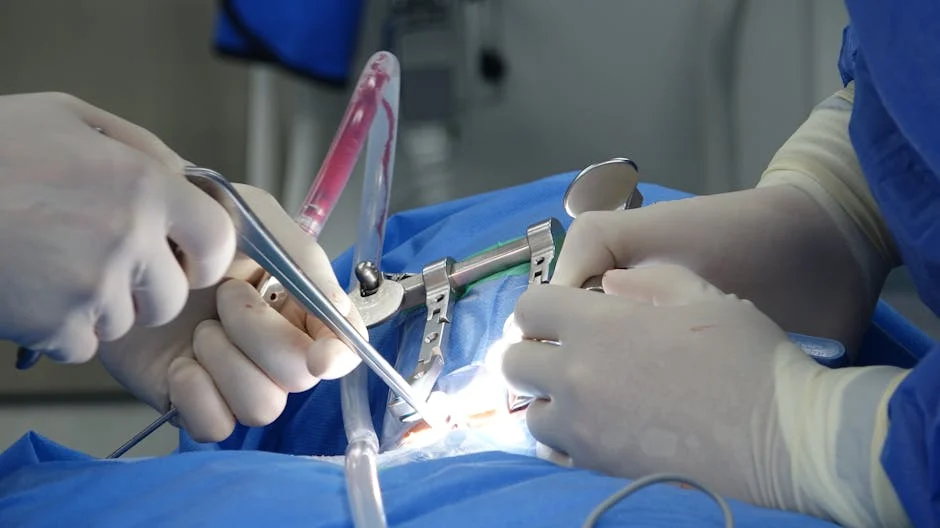

Medical science continually evolves, leading to new approaches in surgical procedures. The field of spinal surgery has seen significant advances, particularly in the management of complex conditions. These advancements aim to improve patient outcomes in complex spine surgeries. Exploring these changes can help you understand the current landscape of spinal care.
What are complex spine surgeries?
Complex spine surgeries address severe spinal conditions. These procedures often involve extensive portions of the spine. They may correct deformities, stabilize the spine after trauma, or remove tumors. Surgeons perform these operations to restore alignment and function.
These surgeries are distinct from more routine spinal procedures. They frequently require detailed preoperative planning and specialized techniques. The scope of the surgery can involve multiple spinal levels. The goal is to address the underlying problem while preserving spinal stability and neurological function.
Which Technologies Improve Precision?
Surgeons now use advanced tools to enhance accuracy during complex spine surgeries. These technologies provide real-time information and guidance, helping surgeons place spinal instrumentation with greater precision. This detailed feedback assists in navigating the spine’s intricate anatomy.
Some of these technologies include:
- Robotic-assisted surgery: Surgeons use robotic arms to execute surgical plans with a high degree of accuracy. These systems allow for more precise movements, reducing the risk of errors.
- 3D intraoperative imaging: This provides detailed, real-time images of the spine during the operation. It helps surgeons visualize complex structures and make informed decisions.
- Computer-assisted navigation: This technology acts like a GPS for the spine, guiding the surgeon’s instruments. It provides greater accuracy in instrument placement, improving surgical outcomes.
The integration of these systems allows for more predictable surgical outcomes. By combining advanced imaging with guided instrument placement, surgeons can perform delicate maneuvers more effectively. This supports the overall objective of correcting the spinal issue while protecting surrounding nerves and tissues.
What Advances Reduce Recovery?
New surgical methods are changing the recovery process for patients. Minimally invasive techniques are a key development in this area. These approaches use smaller incisions, which can lead to less disruption of muscles and soft tissues surrounding the spine. Practices that may contribute to a smoother recovery period include:
- Minimally invasive surgery (MIS): Using small incisions and specialized instruments to operate.
- Advanced pain management protocols: Utilizing different types of pain relief to keep you comfortable after surgery.
- Early mobilization programs: Encouraging movement and walking soon after the procedure.
These strategies work together to support your body’s healing. By reducing the physical impact of the operation and effectively managing postoperative discomfort, these advances help you get back to your daily activities. This patient-centered approach to recovery is a meaningful part of modern spinal care.
Consult a specialist
Understanding the developments in complex spine surgeries can be reassuring as you explore your treatment options. The field continues to move forward, with new technologies and techniques designed to improve patient care. Learning about these procedures is a good first step, but personalized medical advice is necessary. If you are exploring treatment for a spinal condition, the next step is to speak with a qualified medical professional. A specialist can evaluate your specific situation and discuss the most appropriate treatment plan.