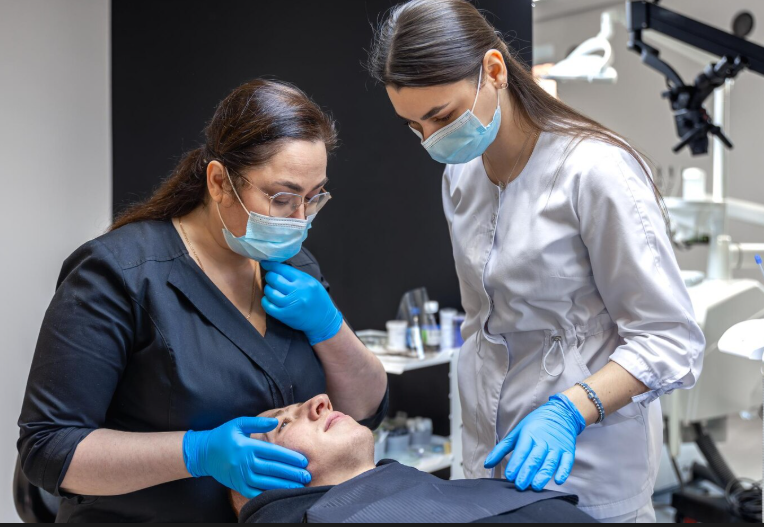

Family medicine extends beyond treating physical symptoms; it also plays a significant role in supporting mental and emotional well-being. Through ongoing, personalized care, Family physicians can identify early signs of stress, anxiety, or depression and connect patients with the right resources. Here’s how family healthcare supports mental health through integrated care:
Practicing Holistic Family Medicine
Family medicine providers focus on treating the whole person, not just physical symptoms. This approach recognizes that mental and physical health are closely connected. A family healthcare provider can address stress, anxiety, depression, and other mental health concerns while managing physical conditions like diabetes or high blood pressure. This holistic perspective allows for coordinated care and better health outcomes.
Family practice physicians build long-term relationships with patients. This ongoing connection makes it easier to notice changes in mood, behavior, or overall well-being. A provider who knows your medical history, lifestyle, and family dynamics can offer personalized guidance and support tailored to your specific needs.
Screening Early for Mental Conditions
One of the helpful roles of family medicine is the early detection of mental health conditions. Family healthcare providers routinely screen for depression, anxiety, and other common mental health concerns during regular checkups. These screenings can identify problems before they become serious, enabling earlier intervention and better outcomes.
Family practice physicians are trained to recognize the signs and symptoms of mental health conditions. They ask the right questions during appointments to assess your emotional state. They may use standardized screening tools to measure symptoms and determine if further evaluation or treatment is needed.
Supporting Patients Beyond Treatment
Family medicine providers often work alongside mental health specialists to create comprehensive treatment plans. Collaboration between family practice physicians and mental health professionals helps make sure that all aspects of your health are addressed. Your family healthcare provider can coordinate care with therapists, psychiatrists, and other specialists. This team-based approach improves communication and enhances treatment effectiveness.
Promoting Preventive Mental Health Habits
Family medicine emphasizes prevention, which includes promoting mental health and wellness for every family member. Preventive care helps reduce the risk of developing mental health conditions and supports long-term well-being. Family healthcare providers offer guidance on lifestyle factors that influence mental health, such as:
- Stress management techniques: Learning how to manage stress through relaxation exercises, time management, and healthy coping strategies.
- Healthy sleep habits: Getting enough quality sleep to support mood, energy, and cognitive function.
- Nutrition and exercise: Eating a balanced diet and staying physically active to boost mental and physical health.
- Social connections: Maintaining strong relationships with family and friends to reduce feelings of isolation and improve emotional well-being.
Family practice providers also focus on creating a supportive environment for the whole family. They can address mental health concerns in children, adolescents, and adults, making sure that every family member receives the care they need.
Consult Family Medicine Specialists Today
Family healthcare plays a fundamental role in supporting mental health through early detection, collaborative treatment, and preventive care. Family healthcare providers offer a holistic approach to physical and mental well-being, making them a valuable resource for individuals and families. If you or a family member is experiencing mental health concerns, contact a family medicine specialist near you to schedule your consultation today.
- Tips for Maintaining Spinal Health Through Chiropractic Care
- How to Choose the Right Sports Medicine Specialist for Your Needs
- The Connection Between Hair Loss Treatment and Overall Scalp Health
- What to Expect in a Session with a PTSD Therapist
- Exploring Ingredients and Formulations in White Label Health and Beauty Products