

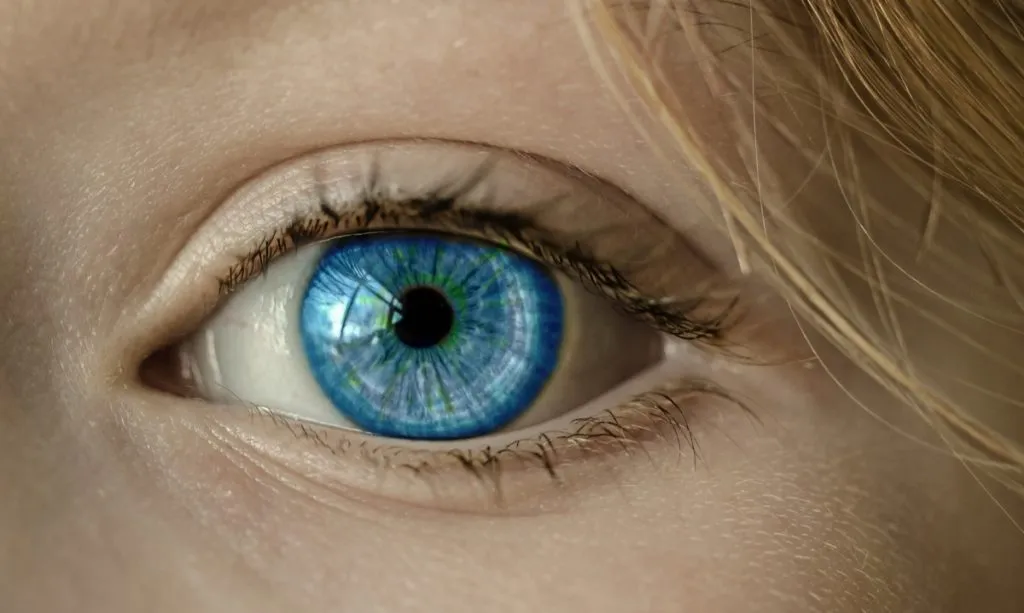

A cataract is a clouding of the eye’s natural lens, which can affect vision. Detecting this condition early is key to managing its effects on your eyesight. An optometrist is a healthcare professional who provides primary vision care, from sight testing and correction to the diagnosis and management of vision changes. They use specific procedures to determine if cataracts are developing.
How Is Vision Assessed?
An initial step in diagnosing cataracts involves a thorough vision assessment. An optometrist will conduct a visual acuity test to measure how clearly you see at various distances. This is the familiar eye chart test, where you read letters of decreasing size. The results help establish a baseline for your vision and reveal any decline in sharpness.
A refraction test is also performed to determine your eyeglass prescription. The optometrist uses a phoropter, a device that contains many lenses, to find the combination that provides the clearest vision. Significant changes in your prescription, particularly an increase in nearsightedness, may suggest the presence of cataracts. This assessment provides a comprehensive picture of your overall visual function.
What Symptoms Prompt Testing?
Certain visual symptoms often lead people to schedule an eye examination. These changes can develop slowly and may not be immediately apparent. Noticing any new vision difficulties is a good reason to see an optometrist. Your optometrist will listen to your concerns and ask about specific symptoms you may be experiencing. These symptoms may indicate the development of cataracts.
- Cloudy or blurry vision: Vision may feel like looking through a foggy window.
- Difficulty with night vision: Driving at night may become more challenging due to glare from headlights.
- Sensitivity to light and glare: Bright lights may feel uncomfortable or cause halos.
- Fading or yellowing of colors: Colors may appear less vibrant than they used to.
- Double vision in one eye: Seeing a double image can sometimes occur when a cataract forms.
These symptoms help guide the optometrist during the examination. Reporting any changes you have noticed in your eyesight helps them understand what to look for.
Which Tools Detect Clouding?
To confirm a diagnosis, an optometrist uses specialized equipment to examine the internal structures of your eye. These tools allow a detailed view of the lens, which is located behind the iris and pupil. This direct observation is necessary to identify any clouding.
One of the main techniques is a slit-lamp examination. This device provides a magnified, three-dimensional view of your eye. After dilating your pupils with eye drops, the optometrist can inspect the lens for any signs of opacities. They also check the cornea, iris, and the space between them. The optometrist may also use a variety of other instruments to get a complete picture of your eye health.
- Slit-lamp microscope
- Ophthalmoscope
- Retinoscope
Using these instruments, the optometrist can detect the size and location of any cataracts. This information helps in understanding how the cataract might be affecting your vision. The examination is straightforward and provides a clear view of the eye’s lens.
Consult an Optometrist
A comprehensive eye exam is the only way to get a definitive diagnosis for cataracts. An optometrist has the training and equipment to thoroughly evaluate your vision and eye health. They can identify the cause of your symptoms and discuss the findings with you. If you are experiencing any changes in your vision, such as blurriness or increased glare, scheduling an appointment is a proactive step.
- Tips for Maintaining Spinal Health Through Chiropractic Care
- How to Choose the Right Sports Medicine Specialist for Your Needs
- The Connection Between Hair Loss Treatment and Overall Scalp Health
- What to Expect in a Session with a PTSD Therapist
- Exploring Ingredients and Formulations in White Label Health and Beauty Products