

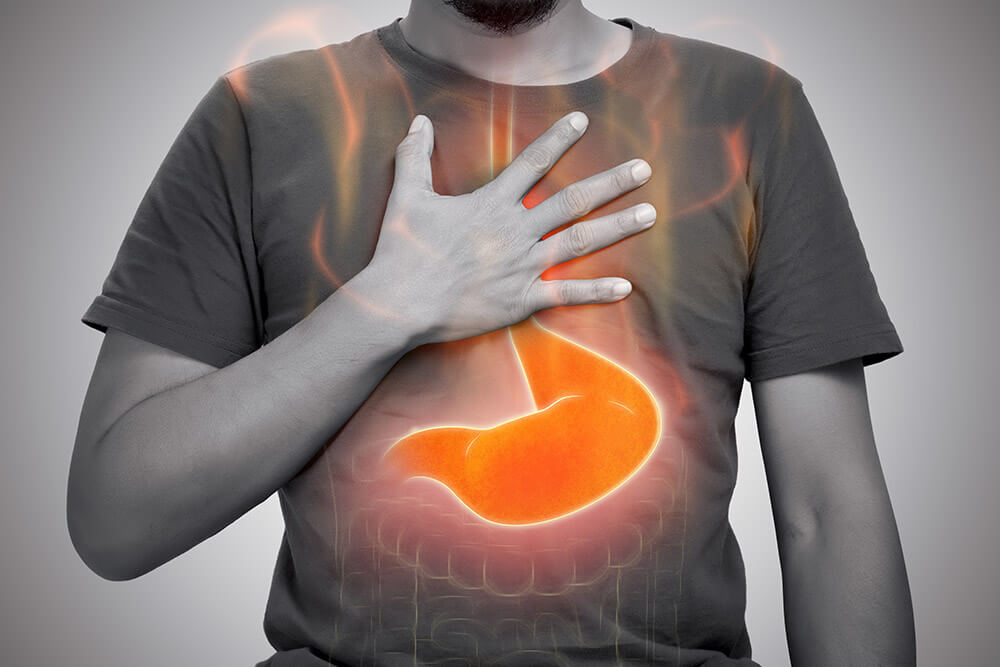

Digestive disorders affect millions of people, often causing discomfort and disrupting daily life. The gallbladder, a small organ involved in digestion, can be the source of many of these issues. Understanding these conditions and knowing when to seek specialized care is the first step toward finding relief. Here is more information on what a gallbladder specialist does and how they treat digestive disorders:
What Is a Gallbladder Specialist?
A gallbladder specialist, typically a general surgeon, is a medical doctor with expertise in diagnosing and treating conditions related to the gallbladder. These specialists have extensive training in the digestive system, and they understand how gallbladder problems can affect overall health. They are qualified to perform a range of diagnostic tests to identify the root cause of symptoms.
These doctors manage conditions such as gallstones, inflammation, and other gallbladder-related disorders, offering both medical and surgical solutions. After a thorough evaluation, they develop a personalized treatment plan for each patient. This plan may involve lifestyle changes, medication, or surgical intervention.
What Are Digestive Disorders?
Digestive disorders are conditions that affect the gastrointestinal tract, which runs from the mouth to the anus. These disorders interfere with the body’s ability to digest food and absorb nutrients, leading to a variety of symptoms. Many different organs can be involved, including the gallbladder.
The gallbladder’s primary function is to store and concentrate bile, a fluid that helps digest fats. When the gallbladder does not function correctly, it can cause digestive problems. These issues range from mild discomfort to severe pain that requires medical attention.
What Causes Them?
Several factors contribute to gallbladder-related digestive disorders, and the cause may be a combination of factors. Gallstones, which are hard deposits that form in the gallbladder, are a common cause of problems. These stones can block bile flow, leading to inflammation and pain.
Other causes include cholecystitis, the inflammation of the gallbladder, and biliary dyskinesia, a condition in which the gallbladder does not empty bile properly. A family history of gallbladder disease may increase your risk, and certain lifestyle factors like diet also play a role. Understanding the cause is fundamental to effective treatment.
What Are the Symptoms?
The symptoms of a gallbladder disorder vary in intensity. Some people experience pain in the upper right abdomen, especially after eating fatty foods, and this pain can be sharp and radiate to the back or shoulder. Other symptoms include nausea, vomiting, bloating, and indigestion, which may be mistaken for other digestive issues. Recognizing these symptoms early allows for prompt medical evaluation.
How Can a Specialist Help?
A gallbladder specialist will provide a diagnosis and create a targeted treatment plan. They use diagnostic tools like ultrasounds and CT scans to examine the gallbladder, and these images help identify gallstones or signs of inflammation. Treatment options depend on the specific condition and its severity. For mild cases, a specialist may recommend dietary changes and medication to manage symptoms, whereas more severe cases potentially require surgery.
Manage Your Digestive Disorder Today
Living with a digestive disorder can be complex, but effective treatments are available. A gallbladder specialist has the expertise to diagnose the underlying cause of your symptoms and recommend the appropriate course of action. Whether through medication or surgery, their goal is to relieve your discomfort. If you are experiencing persistent digestive symptoms, schedule a consultation with a specialist.