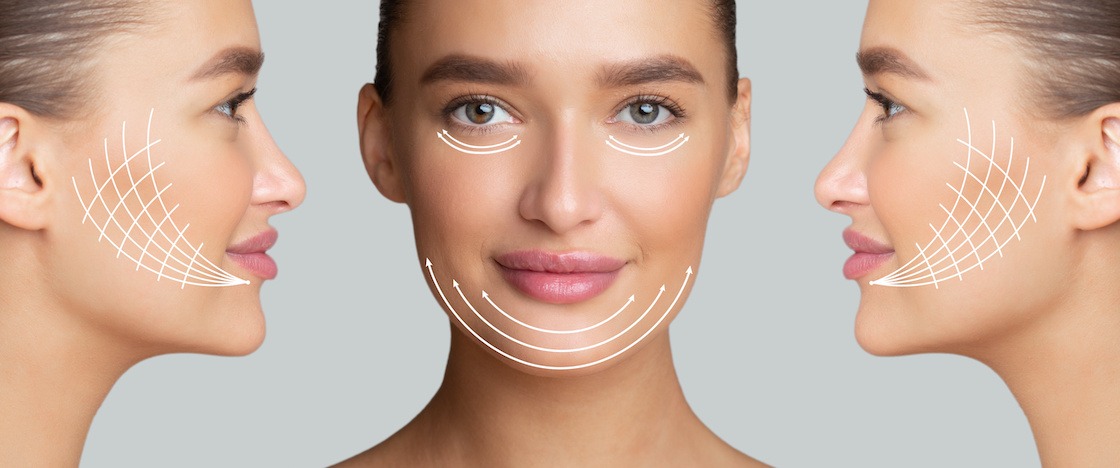

The skin gradually loses elasticity and volume with age. This process may lead to the development of wrinkles, fine lines, and noticeable sagging in both the face and the neck. A face lift targets these areas by repositioning underlying tissues and removing excess skin; this creates a smoother and more defined appearance. Here are several benefits of this cosmetic procedure:
Addressing Jowls and Sagging Skin
Targeting jowls and sagging skin along the jawline is a key benefit of a face lift. The aging process is influenced by environmental factors such as sun exposure and gravity, which can cause facial fat to descend and the skin to lose its structural integrity. Loss of firmness results in a less defined jawline.
A face lift repositions the deeper facial tissues, and it tightens the skin that covers them. These actions help restore definition to the lower face, reducing the prominence of jowls and providing a firmer appearance overall. Surgeons may also adjust underlying muscle layers to enhance long-term support and create more natural-looking results.
Reducing Deep Creases and Wrinkles
Minimizing deep facial folds is another fundamental outcome associated with face lifts. Common areas of focus include nasolabial folds, the lines running from the nose to the mouth corners, and marionette lines that extend downward from the mouth. Other wrinkle-prone regions also benefit from surgical tightening and soft tissue repositioning, such as:
- Lines along the chin and jawline
- Creases around the corners of the mouth
- Fine lines on the lower cheeks
Reduced facial volume and repeated expressions may deepen these creases over time. By lifting and adjusting the facial structures beneath the skin, the lift procedure softens these lines noticeably. This approach may not erase every wrinkle, but it can lead to a more refreshed and rested appearance, especially in the mid and lower portions of the face and neck.
Tightening Neck and Jawline Contours
Many individuals observe significant changes in the neck as they age, including the appearance of vertical muscle bands. A helpful feature of many face lifts involves incorporating a subtle neck lift component. This process may target the platysma muscles, a layer of thin muscle in the neck, and it deals with excess fat and redundant skin in this region. By doing so, a face lift produces a sharper and more harmonious transition from the face to the neck. The result is a more sculpted jawline and a smoother neck, which can be associated with a younger look.
Restoring Facial Shape
As individuals age, facial volume tends to drop toward the lower face, and this alters the balanced contours seen in youth. Repositioning fat pads and lifting the cheeks help restore a fuller, more proportionate facial shape. Elevating the soft tissue in the cheeks provides a gentle lift and contour without creating an artificial appearance. The goal is to reveal a refreshed, natural version of an individual’s features. Consulting with a qualified provider helps determine which refinements are most appropriate based on each person’s facial structure and aesthetic goals.
Refine Features With a Face Lift
A face lift offers a targeted approach to addressing common aspects of facial aging, and it can restore youthful contours. Gathering information about techniques and expected outcomes is key to making well-informed decisions. Surgeons may offer traditional and mini versions of the procedure, depending on age and other factors. Contact a professional for a precise assessment and personalized discussion of your cosmetic goals and surgical options.