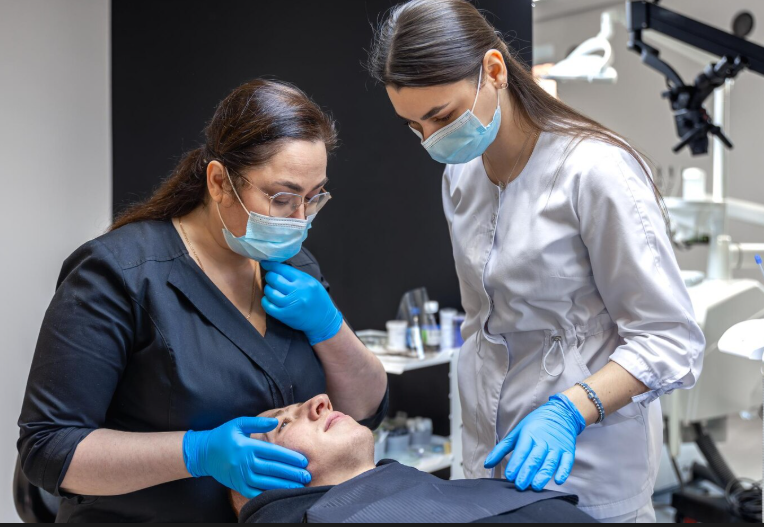

Primary care providers are typically the first point of contact for your health needs, and they offer ongoing care for individuals and families. By understanding your health history, they can manage both current and future health concerns. Your medical team works with you to address health issues as they arise and focuses on preventive measures. Here is more information about the role of primary care in preventive health:
Providing Physicals
A physical exam is a routine check-up with your provider. Your provider reviews your health history, and they may ask about your lifestyle. Through a physical exam, your provider can assess your general health and document your health status. They might also order lab work, and the results are added to your medical record.
Providers use the exam to assess your physical and mental health, and they listen to your heart and lungs. While they ask you questions about how you are feeling, they might also check your blood pressure. The goal is to get a complete picture of your health at that moment.
Regular exams offer a chance to discuss health concerns. These appointments create a baseline for your health, so changes may be more easily noticed over time. To receive guidance, you can ask questions about health-related topics. This dialogue is a key part of your relationship with your provider.
Offering Immunizations
Immunizations help protect against certain diseases. When you receive a vaccine, your body learns to fight a specific virus or bacteria. Your primary care provider can recommend many vaccines. This is a standard part of preventive health services.
Confirming Illnesses
When you feel sick, your provider will listen to your symptoms and perform an examination. They use this information to understand what might be causing your illness, so they can take action. This step is part of diagnosing a health issue.
A provider may order tests to confirm a diagnosis, and this could include:
- Blood tests
- Urine samples
- Swabs for infections
These tests provide more information about what is happening inside your body. Once the results are available, your provider will discuss them with you. They will explain the diagnosis and outline a treatment plan and follow-up care.
Reducing Risks
Managing chronic conditions is another aspect of primary care. If you have a condition, such as high blood pressure or diabetes, your provider helps you manage it. This management aims to control symptoms, and it also seeks to lower the risk of related health problems. You and your provider work together on a treatment plan.
This plan may include medications or lifestyle adjustments. Your provider monitors your progress through regular check-ins, and they adjust your plan as your health needs evolve. To give you helpful tools, they also educate you about your condition.
Find Primary Care Services
A primary care provider is a partner in your long-term health, and they offer a wide range of services from physical exams to illness management. This ongoing relationship builds a comprehensive view of your health over the years. Regular visits help maintain your health and address problems as they appear. If you are looking for a provider, reach out to a primary care clinic to learn about available services and schedule an appointment.
- Tips for Maintaining Spinal Health Through Chiropractic Care
- How to Choose the Right Sports Medicine Specialist for Your Needs
- The Connection Between Hair Loss Treatment and Overall Scalp Health
- What to Expect in a Session with a PTSD Therapist
- Exploring Ingredients and Formulations in White Label Health and Beauty Products