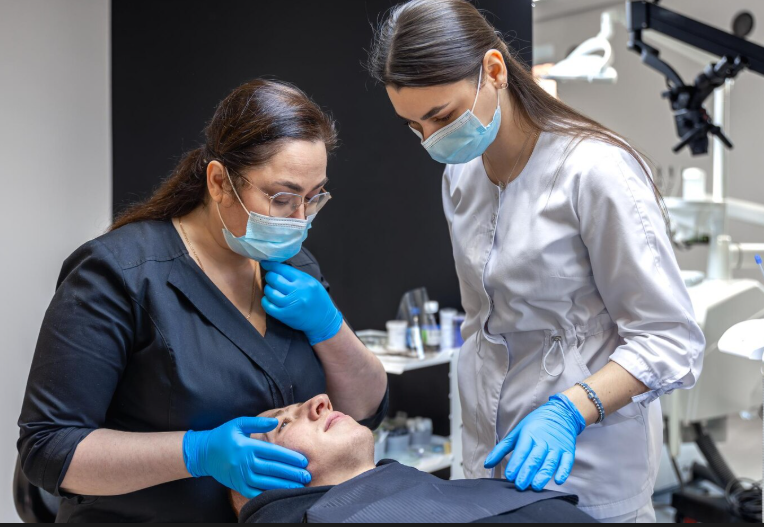



The skin is the body’s largest organ and serves as a protective barrier against the outside world. It is common to experience various skin conditions, ranging from minor issues to more serious concerns. A dermatologist is a medical doctor who specializes in diagnosing and treating conditions affecting the skin, hair, and nails, offering expertise to help manage these conditions effectively.
Acne
Acne is one of the most common skin conditions, particularly during adolescence. It occurs when hair follicles become clogged with oil and dead skin cells, leading to pimples, blackheads, and whiteheads. While it commonly appears on the face, it can also affect the neck, chest, back, and shoulders. Management strategies often involve a consistent skincare routine with products containing ingredients like benzoyl peroxide or salicylic acid. For persistent or severe acne, a dermatologist can provide advanced treatments, including prescription topical or oral medications that address the underlying causes.
Eczema
Eczema, also known as atopic dermatitis, is a chronic skin condition characterized by dry, itchy, inflamed skin. It often starts in childhood but can affect individuals at any age. While there is no cure for eczema, its symptoms can be managed through a combination of lifestyle changes and medical treatments. Common characteristics of eczema include:
- Dry and sensitive skin: The skin may feel rough and become easily irritated.
- Intense itching: Itching is a primary symptom and can be severe, often leading to scratching that worsens the condition.
- Inflamed and discolored skin: Affected areas may appear red on lighter skin tones or darker brown, purple, or grey on darker skin tones.
- Rough, scaly, or leathery patches: Chronic scratching can cause the skin to thicken and develop a leathery texture.
- Oozing or crusting: In severe flare-ups, small, fluid-filled blisters may form and weep clear fluid.
Psoriasis
Psoriasis is a chronic autoimmune condition that causes the rapid buildup of skin cells. This buildup results in thick, red, scaly patches that can be itchy or sore. Psoriasis can appear anywhere on the body, but it is most commonly found on the knees, elbows, scalp, and lower back. There are several types of psoriasis, and its severity can range from mild to severe. Treatment focuses on slowing down the growth of skin cells and removing the scales, which may involve topical treatments, light therapy, or systemic medications for more widespread cases.
Skin Cancer
Skin cancer is the abnormal growth of skin cells, most often developing on skin exposed to the sun. The three major types of skin cancer are basal cell carcinoma, squamous cell carcinoma, and melanoma. Regular skin self-exams are helpful for early detection, and you should watch for new growths or changes in existing moles. Key warning signs can include:
- A mole that changes in size, shape, or color
- A new spot that looks different from other spots on your skin
Protecting your skin from ultraviolet (UV) radiation by using sunscreen and wearing protective clothing helps lower your risk.
See a Dermatologist Today
Managing skin conditions often requires professional guidance for an accurate diagnosis and an effective management plan. While many mild conditions can be addressed with over-the-counter products and lifestyle adjustments, persistent or severe symptoms warrant medical attention. A dermatologist can offer personalized advice and treatment options tailored to your specific needs. If you are concerned about a skin condition, schedule an appointment with a dermatologist.
- Tips for Maintaining Spinal Health Through Chiropractic Care
- How to Choose the Right Sports Medicine Specialist for Your Needs
- The Connection Between Hair Loss Treatment and Overall Scalp Health
- What to Expect in a Session with a PTSD Therapist
- Exploring Ingredients and Formulations in White Label Health and Beauty Products