

Cosmetic procedures help manage signs of aging, and understanding the available options is the first step toward making an informed decision. Botox and dermal fillers are both injectable treatments used to reduce the appearance of wrinkles. One relaxes the muscles that cause wrinkles, while the other adds volume to smooth them out. Here is more information on the mechanisms, applications, and benefits of both treatments:
What Is Botox?
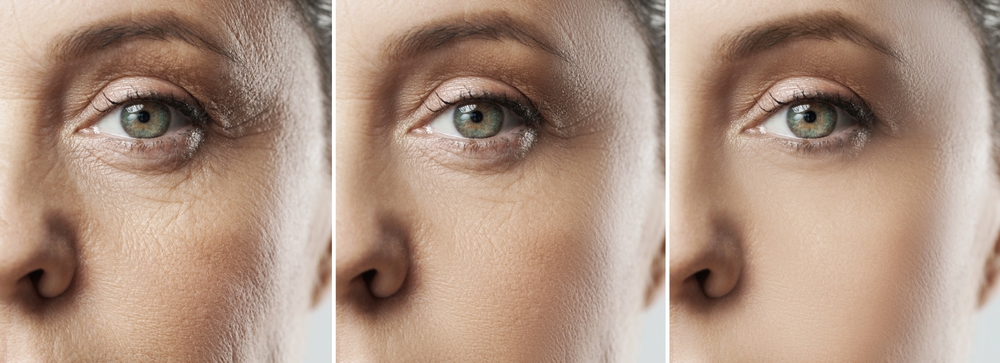
Botox is a brand name for a purified form of botulinum toxin type A, and it is primarily used to treat dynamic wrinkles. These are the wrinkles that form from repeated muscle movements, such as frowning, squinting, or smiling. Common treatment areas include the forehead, the area between the eyebrows, and the area around the eyes.
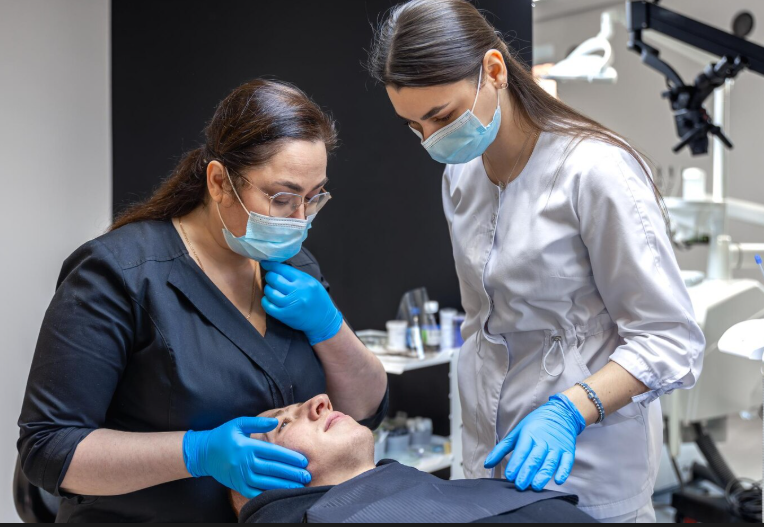
The treatment is administered by injection directly into the targeted muscles, and the procedure is typically quick with minimal discomfort. The effects are not permanent, necessitating follow-up treatments to maintain the results. Consulting a dermatologist helps determine whether this option is right for you.
How Does It Work?
Botox works by temporarily blocking nerve signals to the muscles where it is injected, preventing muscle contraction. This muscle relaxation softens the overlying skin, reducing the appearance of wrinkles. The results usually become visible within a few days, and they can last for several months.
The procedure is precise, allowing for the treatment of specific muscles without affecting surrounding areas. This enables facial expressions to remain natural. Over time, the nerve signals will return to the muscle, and the wrinkles may reappear.
What Are Dermal Fillers?
Dermal fillers are gel-like substances injected beneath the skin to restore lost volume, smooth lines, and enhance facial contours. Unlike Botox, they do not affect muscle movement; they fill in the areas where volume has diminished due to aging. They can be used to treat static wrinkles, which are visible even at rest. Different types of fillers are available, each with its own specific properties and intended uses.
How Do They Work?
Dermal fillers work by physically adding volume to the skin, plumping the treated area to smooth out wrinkles and folds. Many fillers are made from hyaluronic acid, a substance that naturally occurs in the body and helps to hydrate the skin. When injected, the filler provides immediate support and structure to the skin. The results from dermal fillers are visible right away, and their longevity varies depending on the type of filler used and the area treated.
How Are These Treatments Beneficial?
Both treatments offer distinct advantages for facial rejuvenation and are minimally invasive, with little to no downtime. Botox is effective for treating expression lines, giving the face a more rested and youthful appearance. It can also be used for medical purposes, such as treating excessive sweating or chronic migraines.
Dermal fillers help restore volume and provide a more youthful facial contour, and they can also enhance specific features, such as the lips or cheeks. The immediate results make them a beneficial choice for those seeking quick improvements. Both treatments are used to achieve a more comprehensive rejuvenation.
Consult a Dermatologist Today
Understanding the differences between Botox and dermal fillers is helpful for those evaluating cosmetic treatments, and a consultation with a qualified professional is the next step. A dermatologist will assess your specific needs and recommend the most suitable treatment plan to help you achieve your desired results. Schedule an appointment to discuss your options and create a personalized skincare plan.
- Tips for Maintaining Spinal Health Through Chiropractic Care
- How to Choose the Right Sports Medicine Specialist for Your Needs
- The Connection Between Hair Loss Treatment and Overall Scalp Health
- What to Expect in a Session with a PTSD Therapist
- Exploring Ingredients and Formulations in White Label Health and Beauty Products