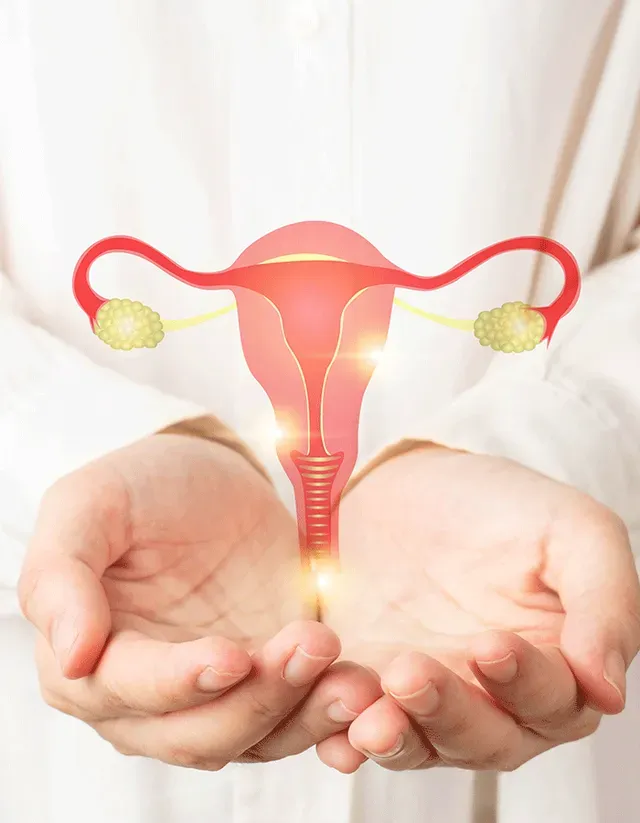

The menstrual cycle plays a fundamental role in reproductive well-being. Each month, the body moves through a series of hormonal changes that influence your overall balance. Understanding your menstrual cycle reveals patterns and changes; it also supports reproductive goals and complementary practices, such as fertility-related acupuncture. Here’s information about this cycle and how it affects reproductive health:
Identifying the Four Phases
Noting your period’s start and end dates is one aspect of tracking your menstrual cycle. Each cycle typically lasts around 28 days, but this can vary for everyone. There are four phases that occur throughout the month, each shaped by different hormonal and physical changes.
Menstrual Phase
The cycle begins with menstruation; this is your monthly period. During this time, lower levels of certain hormones prompt the uterine lining to shed over several days. You may also experience symptoms such as cramping, bloating, or mood changes.
Follicular Phase
The follicular phase overlaps with the menstrual phase. It begins with the first day of menstruation and lasts until ovulation. Hormonal signals stimulate the growth of multiple ovarian follicles, and this usually allows one to fully mature. Rising estrogen levels thicken the uterine lining in preparation for a potential pregnancy.
Ovulation
Around the middle of the cycle, a natural hormone surge prompts the release of a mature egg; this is ovulation. The egg remains available for fertilization for up to 24 hours. When interested in fertility, this is a fundamental window to observe. You may also notice physical signs of ovulation, such as changes in cervical mucus or a slight rise in basal body temperature.
Luteal Phase
After ovulation, the body shifts to the luteal phase. Hormonal changes maintain the uterine lining’s readiness. If fertilization doesn’t take place, these hormone levels eventually decline; this leads to the start of the next period.
Tracking and Applying Cycle Knowledge
Recording your menstrual cycle and noting shifts in energy, physical sensations, or emotional states offers helpful insights into your body’s unique rhythm. Use journals or calendars to keep track each month. By identifying your fertile window, you can plan for conception and enhance your understanding of your cycle. Tracking your cycle also helps you determine if you need professional fertility assistance.
Enhancing Reproductive Health
If your goal is to become pregnant, you can use integrative medicine and supportive practices, such as acupuncture, to enhance your chances. Some fertility programs help balance hormone cycles to promote conception. They provide natural solutions to treat various conditions, and the services can be combined with assisted reproductive technologies when needed. Providers offer fertility-related acupuncture to help with:
- Anovulation
- Amenorrhea
- Irregular menstrual cycles
- Unexplained infertility
Find Fertility Support
Building awareness about your menstrual cycle offers a key foundation for proactive reproductive health choices. By tracking your cycle and pairing this knowledge with acupuncture, you invite supportive, individualized care into your wellness plan. This approach fosters enhanced decisions, and it supports more open conversations with both acupuncture practitioners and healthcare providers. If you’re interested in additional guidance or want to explore how acupuncture may align with your fertility needs, contact an acupuncturist who specializes in reproductive health.
- Tips for Maintaining Spinal Health Through Chiropractic Care
- How to Choose the Right Sports Medicine Specialist for Your Needs
- The Connection Between Hair Loss Treatment and Overall Scalp Health
- What to Expect in a Session with a PTSD Therapist
- Exploring Ingredients and Formulations in White Label Health and Beauty Products