
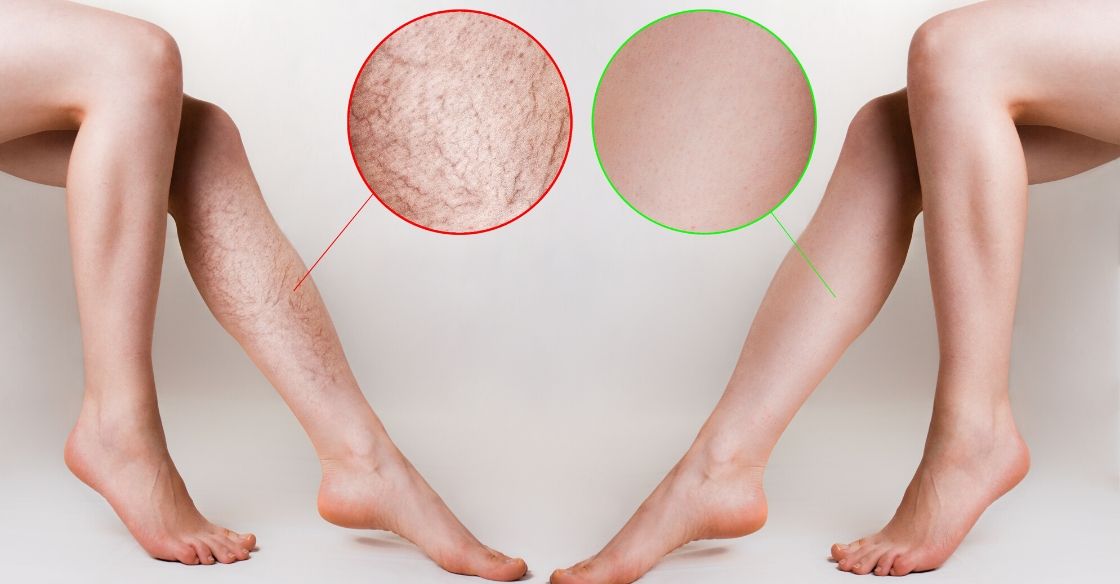

Dealing with varicose veins can be a source of discomfort and self-consciousness. These twisted, enlarged veins, most often appearing in the legs, affect many people. If you are exploring ways to address varicose veins, it is helpful to understand the available options. One approach is a treatment known as Varithena, a nonsurgical procedure designed to improve the appearance and symptoms of varicose veins.
What Is Varithena?
Varithena is a prescription medicine used to treat varicose veins in the great saphenous vein (GSV) system of the leg. It is an injectable polidocanol endovenous microfoam administered by a healthcare professional. This treatment is for incompetent veins and visible varicosities of the GSV system.
This procedure is a type of sclerotherapy, a method that has been used for many years to treat vein issues. Unlike some other treatments, Varithena does not involve heat or thermal energy. It is a nonsurgical procedure, meaning it does not require incisions. The treatment is typically performed in a doctor’s office and does not require general anesthesia.
How Does It Work?
The Varithena treatment process is simple and effective. Here’s how it works, step by step:
- Injection of Microfoam: A specialist will carefully inject the Varithena microfoam directly into the problematic vein. They often use ultrasound imaging as a guide, confirming the foam reaches the exact area that needs treatment. This precise targeting is key to the procedure’s success.
- Vein Collapse: Once injected, the microfoam works by displacing the blood within the vein. This causes the vein walls to collapse and seal shut. The unique properties of the microfoam enable it to fill the desired section of the vein.
- Blood Redirection: Don’t worry, your body is smart! After the treated vein collapses, your blood naturally finds new, healthy veins to flow through, for proper circulation.
- Vein Absorption: Over time, your body will naturally absorb the treated vein, making it disappear. This is a gradual process, and the goal is for the symptoms and visible signs of varicose veins to improve significantly.
The entire procedure typically takes less than an hour and aims to be as comfortable as possible for you.
What Results Can You Expect?
Following the procedure, patients generally experience an improvement in the symptoms associated with varicose veins. These symptoms can include heaviness, achiness, swelling, throbbing, and itching. Many people also see a visible improvement in the appearance of their treated veins.
Most individuals can resume light activities on the same day as the treatment. Your doctor will likely recommend wearing compression stockings for a period to support the healing process. Following your provider’s post-procedure instructions is a key part of recovery. You may need more than one treatment session to achieve your desired outcome.
Consult a Specialist
Understanding your options for varicose vein treatment is the first step toward finding relief. Varithena is one of several available procedures, and its suitability depends on your specific condition and medical history. Speaking with a qualified vein specialist is the best way to determine the right path for you. A specialist can evaluate your veins, discuss your symptoms, and explain the details of each treatment. To learn more about your options and create a personalized plan, schedule a consultation with a vein expert today.
- Tips for Maintaining Spinal Health Through Chiropractic Care
- How to Choose the Right Sports Medicine Specialist for Your Needs
- The Connection Between Hair Loss Treatment and Overall Scalp Health
- What to Expect in a Session with a PTSD Therapist
- Exploring Ingredients and Formulations in White Label Health and Beauty Products