

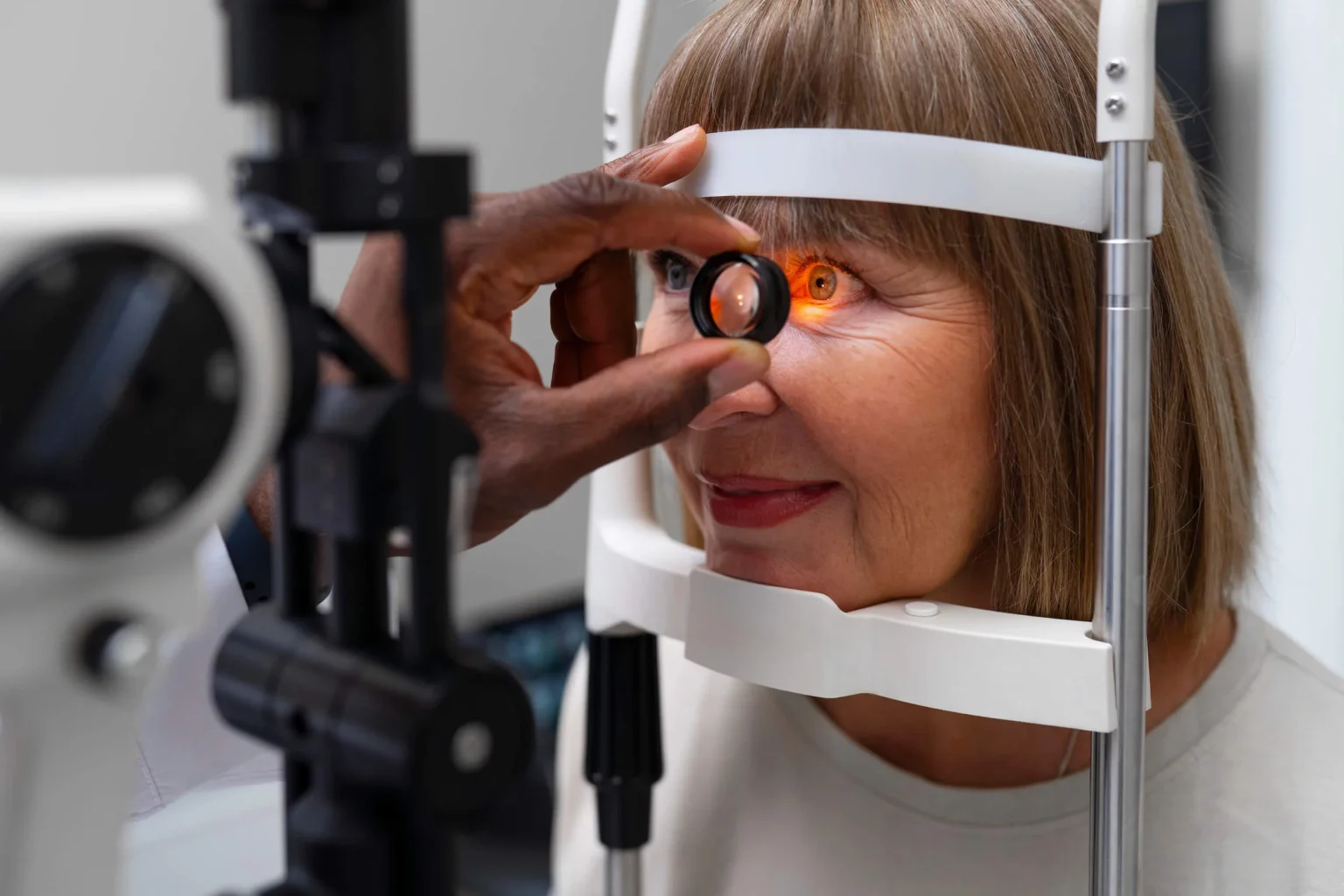

Glaucoma refers to a group of eye conditions that can damage the optic nerve, which is responsible for transmitting visual information from the eye to the brain. This damage can lead to irreversible vision loss. One of the challenges with glaucoma is that its initial symptoms may be very subtle or even non-existent. Early detection through regular eye examinations offers the best opportunity to manage the condition and protect one’s sight.
What Is Glaucoma?
Glaucoma is primarily characterized by progressive damage to the optic nerve. In many cases, this damage is associated with elevated pressure inside the eye, known as intraocular pressure (IOP). The fluid within the eye normally drains through a mesh-like channel. When this drainage system fails to function properly, fluid builds up, causing pressure to increase and potentially harming the delicate fibers of the optic nerve.
The most common form is open-angle glaucoma. In this type, the drainage angle formed by the cornea and iris remains open, but the drainage channels become less efficient over time. The increase in eye pressure is slow and gradual, and vision loss is not immediately apparent. Other forms of glaucoma, such as angle-closure glaucoma, can present suddenly with noticeable symptoms like severe eye pain and nausea. These symptoms indicate a medical emergency that requires immediate attention.
Who Is at Risk?
Certain factors may increase a person’s likelihood of developing glaucoma. Age is a significant risk factor, with individuals over 60 facing a higher prevalence of the condition. A family history of the condition also elevates one’s risk, suggesting a genetic component.
People of specific ethnic backgrounds may be more susceptible. Individuals of African descent have a higher risk for certain types of glaucoma. Certain medical conditions, including diabetes and high blood pressure, may also contribute to an increased risk of developing glaucoma. Past eye conditions can also make an eye more vulnerable to the condition. Having one or more of these risk factors does not mean a person will develop glaucoma, but it highlights the value of routine eye care.
How Is It Treated?
Diagnosing glaucoma involves a comprehensive dilated eye examination performed by an eye care professional. Several tests are used to assess the health of the eyes and detect signs of the condition. Tonometry measures the intraocular pressure to determine if it is within a normal range. The eye care professional will also directly evaluate the optic nerve for any signs of damage. Visual field testing is used to map a person’s complete field of vision.
While there is no cure for glaucoma, various approaches can help manage the condition and slow its progression. The primary goal of management is to lower intraocular pressure to protect the optic nerve from further damage. Patients often work with their eye specialists to find an appropriate management plan. This may involve prescription eye drops, which can either reduce the production of fluid in the eye or improve its drainage. Other options can include oral medications or laser treatments designed to improve fluid outflow. In some cases, surgical procedures may be recommended to create a new drainage channel for the eye’s fluid.
Confer With an Eye Specialist
Regular, comprehensive eye exams are the most effective way to detect glaucoma in its early stages before significant vision loss occurs. An eye specialist can assess your individual risk factors and conduct the necessary tests to evaluate the health of your optic nerve and monitor your intraocular pressure. Through early detection pathways and ongoing monitoring, you and your eye care professional can work together to protect your vision.
- Tips for Maintaining Spinal Health Through Chiropractic Care
- How to Choose the Right Sports Medicine Specialist for Your Needs
- The Connection Between Hair Loss Treatment and Overall Scalp Health
- What to Expect in a Session with a PTSD Therapist
- Exploring Ingredients and Formulations in White Label Health and Beauty Products