
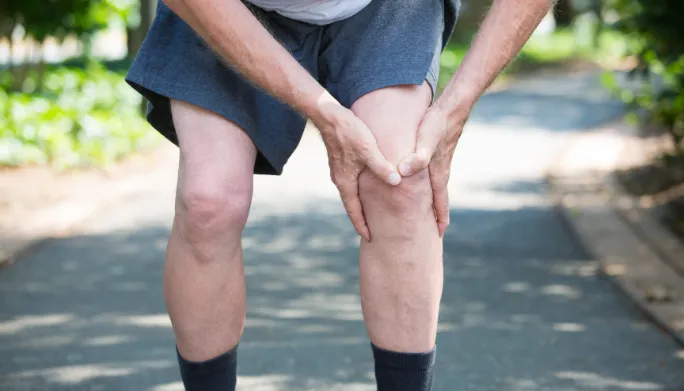

The anterior cruciate ligament (ACL) is a key ligament that helps stabilize your knee joint. An ACL tear is a common knee injury, particularly among athletes who participate in high-demand sports that involve sudden stops or changes in direction. Here is some information about what to expect during ACL tear recovery:
Follow Surgical Instructions
After ACL surgery, your surgeon will provide detailed instructions for your at-home care. Adhering to these directions supports safe healing in the weeks after your operation. The care plan often includes:
- Care guidelines: The surgical area should remain free of excess moisture and dirt to lower the risk of infection. You might be instructed to use sterile dressings and watch for redness or unusual swelling around the incision.
- Pain and swelling management: Common recommendations include using ice packs for short intervals throughout the day and keeping your leg elevated, especially during the first days after surgery. Over-the-counter or prescribed medications may help manage discomfort.
- Weight-bearing restrictions: Some individuals may be allowed to apply partial weight on the affected leg, while others must avoid weight entirely for a period of time. These guidelines protect the reconstructed ligament and support long-term recovery. Assistive devices like crutches or a walker help you safely navigate your environment.
- Follow-up appointments: Regular follow-ups with your surgeon are recommended to monitor your progress and address any early concerns.
Schedule Physical Therapy
Physical therapy forms the backbone of rehabilitation following an ACL tear. You are likely to begin working with a physical therapist early in the recovery process, often within days after surgery. In the first sessions, exercises focus on reducing stiffness and improving circulation in your legs. Movements like ankle pumps and knee bends are introduced to gradually promote range of motion.
Your therapist may teach you how to perform quad sets or straight-leg raises, helping activate muscle groups without placing stress on your knee. As swelling decreases, therapy often progresses to activities that build flexibility and restore normal gait patterns. You will receive personalized feedback during your sessions, which can be helpful if you encounter setbacks or plateaus in your recovery.
Frequent physical therapy appointments allow your provider to adjust exercises and address discomfort or limitations as they arise. Consistent attendance supports steady progress, and therapists often assign at-home exercises to supplement guided sessions. Communication with your therapist about pain levels or difficulties helps shape your plan for continued improvement.
Increase Strength and Balance
Once initial healing has been achieved, your rehabilitation will transition to focus on muscle strength, joint stability, and balance. These objectives support your knee and help lower the risk of future injuries. Advanced exercises, such as leg presses, hamstring curls, and step-ups, can be added to your regimen. Resistance bands and balance boards are often introduced, offering a range of ways to challenge your muscles.
Rebuilding the quadriceps, hamstrings, and calf muscles helps absorb shock and protect your knee joint. Balance and proprioception work includes activities like standing on one leg and balancing with your eyes closed. These drills aim to retrain your body to sense the position of your knee during movement, which is relevant if you want to return to athletic participation.
Treat an ACL Tear Today
ACL tear recovery requires a methodical approach, including adherence to surgical instructions, regular physical therapy, and gradual exercise progression. The surgeon and physical therapist monitor rehabilitation, and they guide treatment progression. This helps verify a safe return to activity and prevent re-injury. Contact an orthopedic clinic today to learn more about recovering from an ACL injury.