

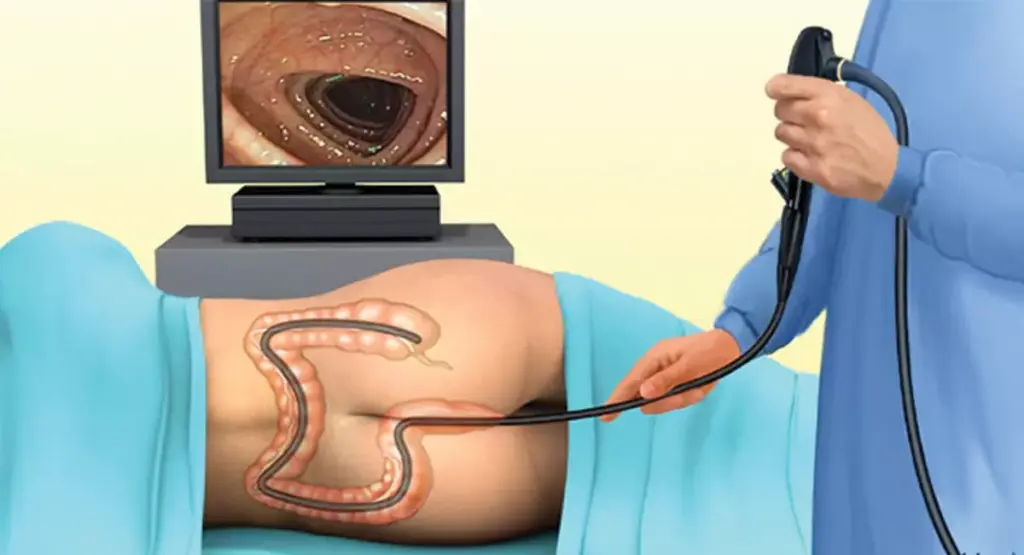

A colonoscopy is a medical examination used to view the inside of the colon and rectum. This screening can help identify issues such as polyps, inflamed tissue, or other potential concerns in the large intestine. Understanding the procedure’s steps can help you feel better prepared for the appointment.
What Happens During the Procedure?
Before the colonoscopy begins, you will receive a form of sedation to help you relax and stay comfortable. Most people receive conscious sedation, which makes you drowsy but still responsive. You will lie on your side on an examination table with your knees drawn toward your chest. This position allows the doctor to have the best access for the procedure.
The doctor gently inserts the colonoscope into the rectum and guides it through the length of the colon. A small camera on the end of the scope sends a video image to a monitor, allowing a clear view of the intestinal lining. The doctor may pump air or carbon dioxide into the colon to inflate it slightly for better visibility.
As the scope moves through the colon, the doctor carefully inspects the tissue. If any polyps or other abnormalities are found, they can often be removed during the procedure using small tools passed through the colonoscope. A tissue sample, or biopsy, might also be taken for further examination. You are unlikely to feel any of these actions.
How Long Does It Take?
The colonoscopy procedure itself is relatively quick. The examination typically takes about 30 to 60 minutes to complete, but the exact duration can depend on a few factors. If the colon is very clean and easy to see, the process might be faster.
The time may be extended if the doctor finds polyps that need to be removed or biopsies that need to be taken. Every individual’s anatomy is different, so navigating the colon can sometimes take a bit longer. After the procedure is finished, you will be moved to a recovery area for monitoring as the sedation begins to wear off. You can expect to spend about an hour in recovery before you are ready for discharge.
How Is Recovery Managed?
After the procedure, you’ll rest in a recovery room while the sedation wears off, where it’s common to feel a bit bloated. Because you can’t drive for 24 hours after sedation, you will need someone to take you home. Once home, rest, stay hydrated, and eat light meals to help your body recover smoothly.
- Rest for the remainder of the day. The sedation will take time to fully wear off, so plan to take it easy.
- Drink plenty of fluids. Rehydrating helps your body recover and can help with any lingering grogginess.
- Eat light meals at first. Your doctor will give you guidance on what to eat, but it is often best to start with simple foods.
- Avoid alcohol and strenuous activity. Give your body a full 24 hours to recover before returning to your normal routine.
Most people feel back to normal by the next day. A small amount of blood in your first bowel movement after the procedure can occur, especially if a biopsy was taken.
Schedule a Colonoscopy
Knowing what to expect can make the colonoscopy process feel more manageable. From the preparation and the procedure itself to the short recovery period, each step is straightforward. This screening is a standard part of proactive health management. If you have questions about whether a colonoscopy is right for you, talk with your healthcare provider. Schedule a consultation to discuss your health and screening options.
- Tips for Maintaining Spinal Health Through Chiropractic Care
- How to Choose the Right Sports Medicine Specialist for Your Needs
- The Connection Between Hair Loss Treatment and Overall Scalp Health
- What to Expect in a Session with a PTSD Therapist
- Exploring Ingredients and Formulations in White Label Health and Beauty Products