

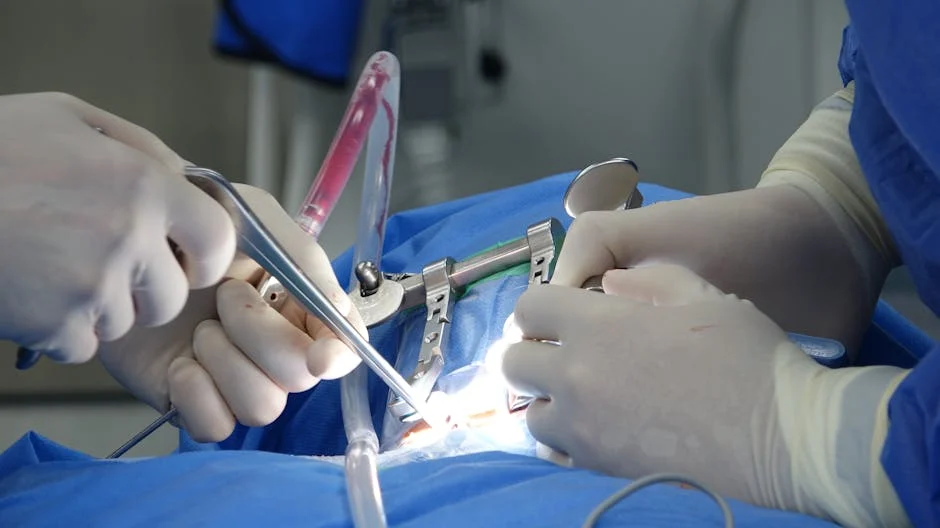

Robotic surgery utilizes advanced technology to assist surgeons during complex procedures. This approach differs significantly from traditional open surgery methods. Using a high-definition, three-dimensional view of the surgical site, surgeons operate through tiny incisions rather than large cuts. Here is more information about what to expect before, during, and after robotic surgery:
Before Surgery
Your doctor may order blood tests or request imaging scans, and the medical team reviews your complete health history for safety. Because some drugs require adjustments before surgery, inform them about all supplements and medications you take. Some drugs require adjustments or temporary suspension before surgery. You generally stop eating and drinking at a specific time. Fasting prevents serious complications during anesthesia. Wear loose, comfortable clothing on the day of your arrival.
As you cannot drive yourself home after receiving anesthesia, arrange for a friend or family member to provide transportation. Place water, medications, and your phone within easy reach. Stock your kitchen with light, easily digestible foods. Prepared meals save you energy during recovery. A little planning helps you focus entirely on healing later.
During Surgery
You remain unconscious throughout the minimally invasive operation. The surgical team carefully positions your body on the table and thoroughly cleans the skin to reduce infection risk. To leave only the surgical site exposed, sterile drapes are typically placed over you.
The surgeon typically makes a few small incisions in the target area, and they insert a camera and specialized instruments through these ports. As they look through a viewer to see a magnified image, hand controls move the robotic arms with extreme dexterity. The machine translates hand movements into precise actions inside your body.
A robotic system filters out slight hand tremors, and this stability allows for delicate work near sensitive nerves. The surgical team assists by changing instruments as needed. During robotic surgery, the team closely monitors you. The surgeon removes the instruments once the repair is complete. They close the small incisions with sutures or surgical tape.
After Surgery
As you wake up in the recovery room, nurses typically monitor your blood pressure, heart rate, and oxygen levels. You might feel groggy or experience nausea. Movement helps blood circulation and speeds up the healing process. Most patients go home within a day or two. Your discharge papers will include a specific checklist:
- Review pain management schedules
- Keep the incision sites clean
- Limit physical activities
- Watch for signs of infection
- Schedule your follow-up appointment
You should rest whenever you feel tired, but avoid staying in bed for too long, as it might slow down your recovery. Walking a few times a day is simple yet effective for improving circulation. While it may take some time, following these instructions carefully will help ensure a safe and smooth healing process.
Schedule Robotic Surgery Today
Contact a surgical team to learn more about your options using robotic technology. When you have any questions about the process, the surgery team can provide clear answers. Call a surgeon today to schedule your initial consultation for robotic surgery procedures.