
Hair loss, clinically called alopecia, is the partial or complete loss of hair from the scalp or other body regions. Shedding a moderate amount of hair daily is a normal part of hair growth cycles, but excessive or sudden alopecia can occur. Excessive shedding or hair loss may indicate that an underlying health condition is disrupting growth. Alopecia affects all genders across various age groups, and it stems from genetic predispositions, environmental factors, or sudden physiological changes. Here’s information on the different kinds of hair loss and what treatments are available:
Androgenetic Alopecia
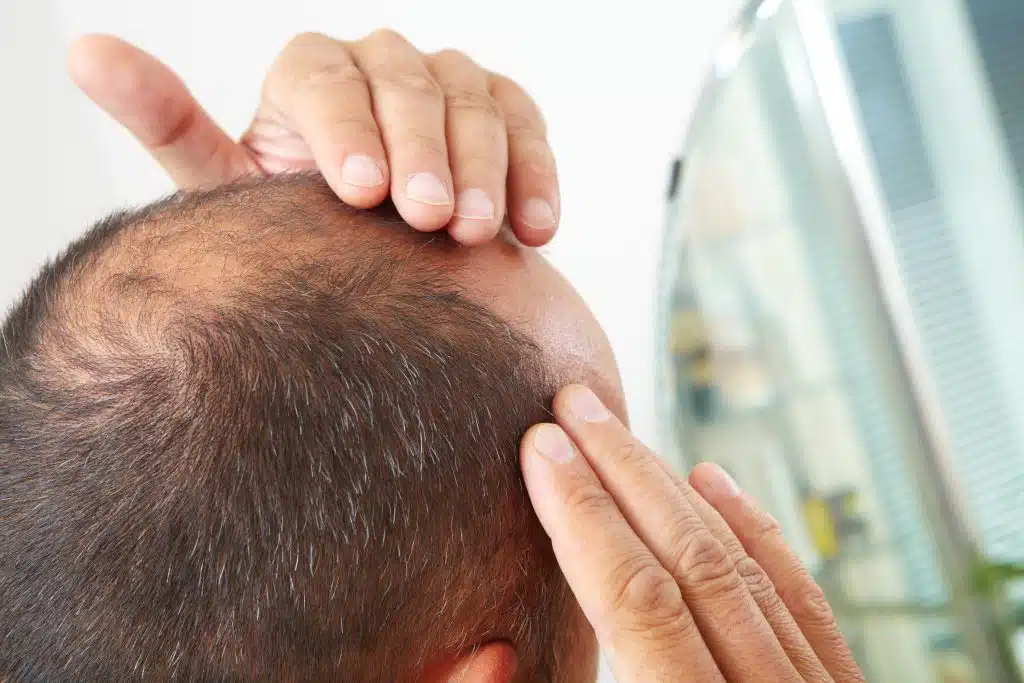
Androgenetic alopecia is a hereditary condition characterized by a gradual reduction in hair density over time. In men, this frequently presents as a receding hairline or a distinct bald spot at the vertex of the scalp. Women generally experience diffuse thinning across the top of the crown without a noticeably receding hairline. Androgenetic alopecia is the most prevalent form of hair loss. It affects tens of millions of individuals globally, and the likelihood of experiencing this condition steadily increases with age.
While androgenetic alopecia is a persistent genetic trait, certified professionals offer multiple management strategies. The available treatment options range from specialized topical applications to advanced surgical procedures, such as hair transplantation. Early intervention often yields better outcomes, but results vary depending on the individual’s specific form of hair loss.
Alopecia Areata
Alopecia areata develops when the immune system mistakenly targets hair follicles, triggering an autoimmune attack. This internal disruption causes hair to detach and fall out, typically resulting in small, round patches on the:
- Scalp
- Face
- Body
The lost hair may regrow without intervention, but this form of alopecia remains highly unpredictable. To accurately identify the specific type of alopecia someone has, a qualified professional typically conducts a thorough physical examination. They assess and review an individual’s medical history to identify contributing factors and may order specialized tests.
Anagen Effluvium
Anagen effluvium is the term used for rapid, widespread hair loss that occurs during the active growth phase. This acute shedding is most frequently associated with exposure to harsh chemicals or specific targeted medical therapies, such as radiation. The hair shafts become weak, stop growing, and fall out relatively quickly after the initial exposure. Once the external triggering factor is removed from the patient’s environment, the hair follicles generally recover and resume their normal growth cycle.
Telogen Effluvium
You should schedule a consultation with a specialist if you notice sudden, patchy, or unusually rapid hair shedding. Telogen effluvium is characterized by temporary, widespread hair thinning caused by a sudden, premature shift of hair follicles into the resting phase. Noticeable shedding often begins several months after the initial triggering event has passed.
- Many things can directly trigger this condition, such as:
- Significant Physical Stress
- Severe Nutritional Deficiencies
- Major Physiological Events
Seeking professional evaluation is strongly recommended if your alopecia is accompanied by scalp redness, physical discomfort, or other unusual physiological symptoms. A qualified dermatologist can provide a definitive diagnosis, and they can help you understand the appropriate management options for your scalp.
Visit a Hair Loss Specialist
Navigating the complexities of alopecia requires a clear understanding of the specific type and its underlying causes. A dermatologist can diagnose your condition, give you personalized information, and determine what restoration options you have. If you are interested in addressing your hair loss, contact a board-certified dermatologist today to schedule a consultation.