

Dry eye is a condition that occurs when tears are unable to provide adequate lubrication for the eyes. This can happen if the eyes do not produce enough tears. For many people, dry eyes may cause discomfort and interfere with daily activities such as reading, using a computer, or driving.
What Causes Dry Eyes?
A variety of factors can lead to an unstable and insufficient tear film, resulting in dry eyes. Tear production often diminishes as part of the natural aging process. Hormonal changes, particularly those associated with menopause, may also alter tear composition and volume.
Modern lifestyles contribute significantly to the prevalence of dry eye. Prolonged screen time on computers, smartphones, and other digital devices is a major contributor. People may blink less frequently when focusing on screens, which prevents the tear film from being spread evenly across the eye’s surface. Environmental conditions, such as wind, smoke, low humidity, and air conditioning, can increase tear evaporation and lead to dry eyes.
Wearing contact lenses is another common cause, as lenses may disrupt the tear film and absorb moisture from the eye. Certain medications, including antihistamines, decongestants, and antidepressants, may reduce tear production as a side effect. Medical conditions can also play a role. Meibomian gland dysfunction, where the oil glands in the eyelids become blocked, leads to poor-quality tears that evaporate too quickly.
What Are the Symptoms?
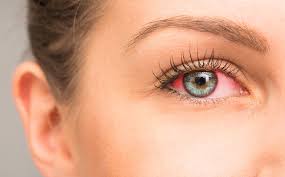
The experience of dry eye varies among individuals and can fluctuate from one day to the next. The symptoms often go beyond a simple feeling of dryness. Many people report a scratchy sensation, as if something is in the eye. A stinging or burning feeling is also quite common. The eyes may appear red.
Vision can be affected, with many individuals experiencing blurry vision, particularly during tasks that require sustained attention and focus. Some people find they have stringy mucus in or around their eyes. Dry eyes can sometimes lead to excessive watering. This occurs when surface irritation triggers the body’s reflex to produce a flood of tears, but these reflex tears are mostly water and lack the proper lubricating qualities of normal tears. Discomfort while wearing contact lenses is another frequent complaint.
How Are They Treated?
Managing dry eye often begins with lifestyle adjustments and self-care strategies. Modifying screen habits, such as taking regular breaks to blink and look away from the screen, may provide relief. Optimizing a workstation by positioning the computer screen below eye level may help reduce tear evaporation. Using a humidifier can add moisture to the air in dry indoor environments.
When these approaches are insufficient, an eye care professional may discuss alternative options. These could include prescription eye drops designed to address inflammation or increase tear production. Small devices called punctal plugs may be inserted into the tear ducts to slow tear drainage and keep the eyes moist. Various in-office procedures are also available to address underlying causes.
Seek Professional Eye Care
If you experience persistent symptoms of dry eye, seeking professional guidance is a constructive step. An eye care professional can perform a comprehensive evaluation to understand the specific factors contributing to your discomfort. A thorough examination can provide clarity and offer a path toward improving your eye comfort and quality of life.