
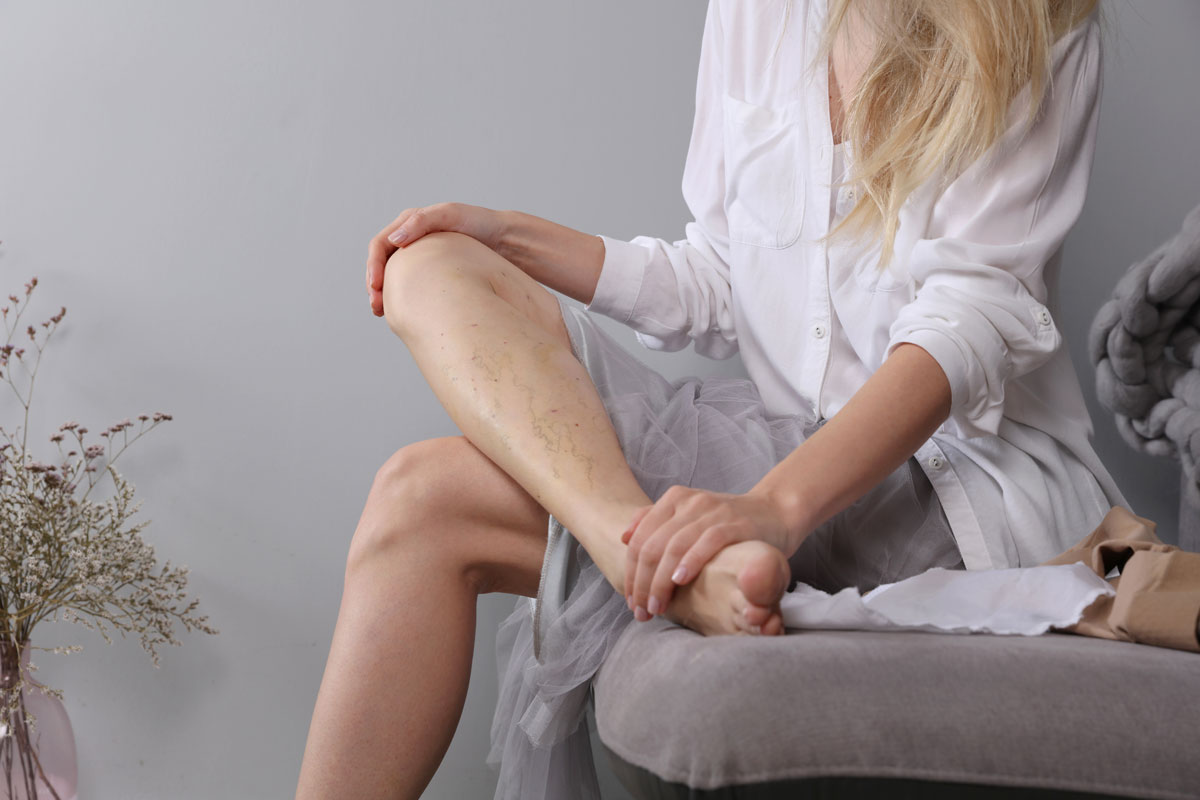

Varicose veins appear as swollen, twisted veins, and they are typically visible on the legs and feet. These veins develop over time for several reasons, including age and lifestyle. They affect many people and may cause discomfort, heaviness, and cramping. Here’s more information about this condition, along with several tips for preventing and treating it:
Understanding Varicose Veins
Veins move blood back to your heart through a series of one-way valves. If these valves weaken or become damaged, blood can pool in the vessel; this prompts the vein to enlarge and become varicose. These veins often show up as blue or purple lines beneath your skin, sometimes giving your legs a heavy or achy sensation. Several factors play a role, such as standing or sitting for long periods, carrying extra weight, and having a family history of varicose veins.
Preventing Varicose Veins
You may not be able to avoid varicose veins altogether, especially if you have a family history of them. Making helpful changes to your daily routine helps lower your risk, and it supports overall vein health. Staying active, maintaining a healthy weight, and paying attention to your posture are all practical steps. Other prevention tips include:
- Remain Active: Activities like walking, swimming, or cycling support healthy blood flow and help your veins complete their intended function. Aim for regular movement throughout the week; short bursts of activity throughout your day can be helpful.
- Shift Your Position Frequently: If your routine includes extended periods of sitting or standing, stretch or take short walks often. This habit encourages circulation, and it helps prevent blood from pooling in your legs.
- Maintain a Balanced Weight: Striving for a weight that suits your body reduces pressure on your leg veins. This can make it easier for blood to return to your heart.
Managing Varicose Veins
If you already have varicose veins, thoughtful habits help you stay comfortable during daily activities. Simple techniques at home can bring relief and promote circulation. Elevate your legs periodically, raising them above heart level for several minutes at a time. This position allows gravity to support blood flow toward your heart, and it can lessen swelling.
Compression stockings are another helpful tool. These specially designed socks apply gentle pressure to the legs; this supports the veins and makes everyday activities less uncomfortable for some people. If you plan to wear compression stockings, find options that fit well and provide the right amount of support for your needs.
Exploring Professional Treatment Options
Vein conditions can be a cosmetic concern for many individuals. Changes such as increased pain, bleeding, skin discoloration, or persistent swelling around a vein should be discussed with a healthcare professional. An experienced provider can help you contemplate professional treatment options, which include:
- Vein ablation
- Phlebectomy
- Vein sealing
- Sclerotherapy
Visit a Vein Specialist
Building helpful daily habits and watching for changes allow you to support your vein health with practical, proven steps. Staying active, shifting your position, and contemplating compression stockings can all contribute to varicose vein management. A vein center offers professional in-house treatments; contact a reliable facility today to schedule a consultation and learn more.