
Digestive disorders affect many people and can significantly impact daily life. While many conditions respond to medication and lifestyle changes, some may require a different approach. General surgery offers a path for treating some digestive issues when other methods are not effective. This field of medicine addresses a wide range of conditions affecting the organs of the digestive tract. Understanding how general surgery can help is a key step for anyone exploring treatment options for persistent digestive issues.
Which Digestive Issues Need Surgery?
Surgeons evaluate several factors before recommending an operation. The decision often depends on the specific condition, its severity, and its impact on a person’s health.
Gallbladder Disease
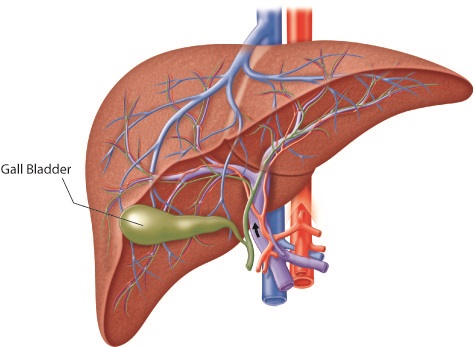
The gallbladder can develop gallstones or become inflamed, a condition known as cholecystitis. These issues may cause pain and lead to further complications. When symptoms become frequent or severe, a surgeon may remove the gallbladder. This common procedure, a cholecystectomy, often resolves the problem.
Hernias
A hernia occurs when an organ or tissue pushes through a weak spot in the surrounding muscle or connective tissue. Hernias in the abdomen or groin can cause discomfort and may lead to complications if left untreated. General surgery can repair the weak area, providing a durable solution.
Appendicitis
Appendicitis is the inflammation of the appendix. It may cause sudden abdominal pain and requires prompt medical attention. A surgeon typically performs an appendectomy to remove the inflamed appendix, preventing it from rupturing and causing a more serious infection.
How Does General Surgery Help?
General surgery addresses digestive disorders by physically correcting the underlying problem. Surgeons can repair, remove, or alter parts of the digestive system to restore function and relieve symptoms. For issues like appendicitis or gallbladder disease, removing the affected organ can provide a definitive cure.
Surgical techniques have advanced over the years. Many procedures now use minimally invasive methods, such as laparoscopy. These techniques involve small incisions and specialized instruments, which may lead to shorter recovery times and less postoperative pain compared to traditional open surgery. The goal of any surgical intervention is to correct the anatomical issue causing the digestive disorder, offering a long-term solution.
When Should Patients Review Surgery?
Discussing surgical options with a healthcare provider is a practical step when digestive symptoms persist despite other treatments. It is useful to understand when a surgical consultation might be appropriate.
Some situations that may prompt a discussion about surgery include:
- Chronic or Severe Symptoms: Persistent pain, nausea, or other symptoms that do not improve with medication or dietary adjustments may point toward a structural problem that surgery could fix.
- A Confirmed Diagnosis: Once diagnostic tests, such as imaging or an endoscopy, confirm a condition, such as gallstones or a hernia, you can explore surgical options with greater clarity.
- Risk of Complications: Certain untreated conditions may lead to more serious health problems. Addressing them surgically can prevent future issues.
Exploring general surgery is part of a comprehensive approach to managing your health. This conversation allows you to gather information, understand the potential outcomes, and make an informed decision alongside your medical team.
Consult a Surgeon
If you are dealing with a persistent digestive disorder, seeking a professional opinion is a logical next step. A consultation with a general surgeon provides an opportunity to discuss your specific condition and learn about available treatment options. They will review your medical history, explain the details of a potential procedure, and answer your questions. This dialogue helps you understand what to expect and what the recovery process might involve. Taking this step can provide clarity and help you determine the best course of action for your health.