

Eye doctors play an active role in maintaining not just your vision but also your overall well-being. They provide primary vision care, so their work includes performing regular eye exams, diagnosing problems, and prescribing treatment. An eye exam provides an opportunity to observe your body’s internal health, since it allows doctors to see your blood vessels. Here is more information about the role of an eye doctor:
Performing Exams
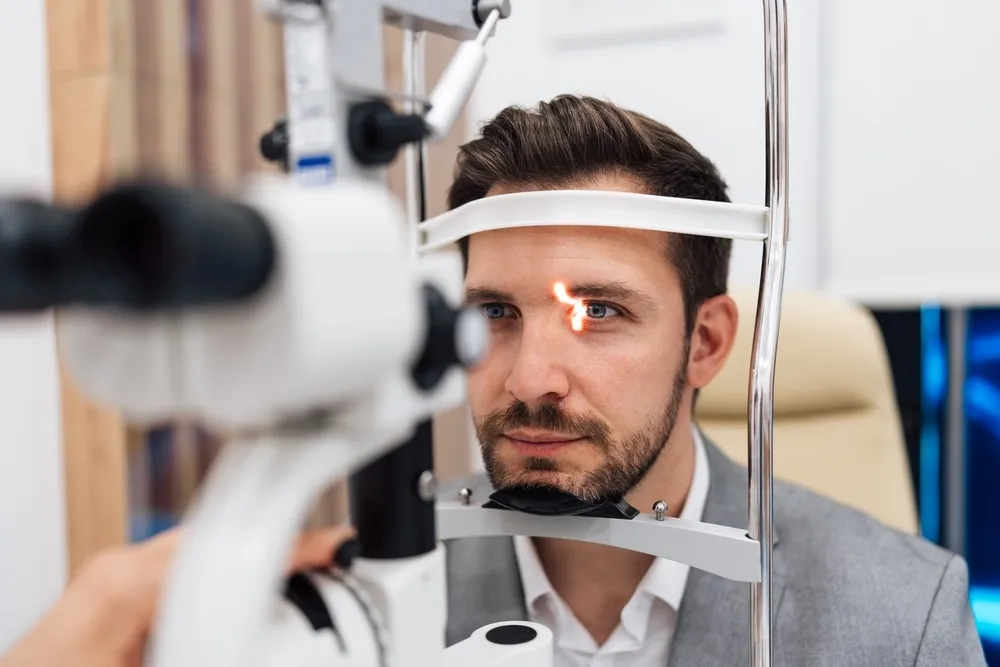
When you visit an eye doctor, you typically get an eye exam that checks your vision and eye health. Each test is designed with a purpose, and your doctor is checking for a range of physical signs that relate to both your sight and your overall health. Because blood vessels and nerves in the eye reflect changes in the body, the eye may indicate that something is wrong elsewhere.
Several steps occur during the exam, and each has a specific purpose. For example, your doctor might measure the pressure inside your eyes, assess your peripheral vision, or shine a light to examine the structures inside your eye. The doctor builds a clear picture of your eye health and how it connects to other aspects of your wellness.
At some visits, your pupils will be dilated to help the doctor see the back of your eye more easily. They might check how well your eyes move together, or use imaging to capture pictures of your retina. With all these tools, the exam is thorough and covers everything from vision clarity to potential signs of underlying illness.
Identifying Chronic Conditions
Eye doctors look for more than just vision changes during your exam; they evaluate for signs of chronic health issues as well. Changes in eye blood vessels may indicate high blood pressure, whereas swelling or tissue alterations could suggest diabetes. A doctor may observe indicators in your retina or optic nerve before you even notice symptoms yourself. A few of the systemic health issues an eye doctor may help detect include:
- High cholesterol
- Lupus
- Thyroid disease
Monitoring Conditions
When a condition is identified, your eye doctor can help monitor its progress and assess how it may impact your vision. By documenting changes from visit to visit and sharing updates with your primary doctor, they provide another layer of information for your health team.
This partnership supports a coordinated approach to your care. You might require regular follow-up appointments to monitor for any potential changes, promoting timely intervention. The doctor may compare current and past results, look for patterns, and help you understand how different aspects of your health may be connected.
Preventing Vision Loss
Detecting systemic health problems early offers a way to reduce the risk of vision loss caused by related diseases. Some chronic conditions, left unchecked, might begin to harm the structures inside your eyes over time. During your visits, the doctor may explain the link between general health and your eyes, so you have more information.
Visit an Eye Doctor Today
Getting routine eye exams is a straightforward step you can take to look after your well-being. These visits provide insight into both your vision and your health, making them a practical part of your routine care. If it has been a while since your last exam, book an appointment with a clinic and take an active role in monitoring your health.
- Tips for Maintaining Spinal Health Through Chiropractic Care
- How to Choose the Right Sports Medicine Specialist for Your Needs
- The Connection Between Hair Loss Treatment and Overall Scalp Health
- What to Expect in a Session with a PTSD Therapist
- Exploring Ingredients and Formulations in White Label Health and Beauty Products