

Orthopedic surgeons specialize in the musculoskeletal system, and they treat injuries that involve bones, joints, ligaments, tendons, and muscles. Surgery becomes a viable option when other treatments fail to relieve symptoms. Recovery after surgery is a structured process that requires the patient’s active participation. Here is more information about the recovery process following orthopedic surgery:
Pain Management
Managing pain after orthopedic surgery is a priority. When your care team provides a set medication schedule, following it is necessary. If you miss a dose, pain might increase. A small amount of discomfort is expected, but severe or increasing pain could be a warning sign.
Your doctor can prescribe pain relief and anti-inflammatory medications, and you need to take them only as directed. If you notice side effects or pain that does not improve, contact your surgeon. Never switch or stop taking medicines without consulting a doctor. Open communication may help address problems quickly. Being mindful of medication timing keeps pain manageable and supports healing.
Rehabilitation Plans
Rehabilitation plans are typically designed to guide your recovery, and they might involve steps. These plans map out the return to daily tasks and activities. To meet your needs, your orthopedic surgeon and other medical professionals can work together to create a plan made for your specific needs and procedure.
The plan provides deadlines for activities such as returning to work or pursuing hobbies. Because healing is unique for each person, the details of your therapy and timelines are customized. You work with your therapist, and active participation is a key element. By aiming for set milestones, you promote steady progress.
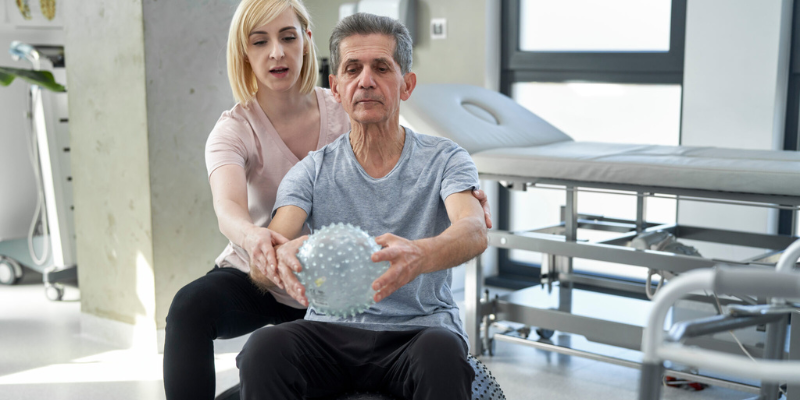
At every therapy session, progress is typically monitored. Therapists assess your strength and movement, and adjust your plan as your needs change. They carefully record your mobility and pain levels. You may get new exercises as you recover. Once you reach a certain level of flexibility or strength, more advanced activities may be introduced. Keeping up with appointments helps maintain momentum in recovery, and each appointment provides accountability and support.
Exercise Routines
Physical therapists provide exercise routines that support your recovery. These exercises target both strength and flexibility, so they must be performed exactly as instructed. Doing them at the recommended pace and frequency supports healing and reduces the risk of injury. Your typical exercise routine may include:
- Stretching for mobility.
- Strengthening muscles to increase stability.
- Doing cardio to promote healthy blood flow.
Guidance From the Surgeon
Regular follow-ups with your surgeon are arranged after surgery. These visits enable your progress to be monitored and your questions to be addressed. Bring your concerns to appointments, since this helps your care team respond to your needs. When your surgeon feels your recovery matches expected milestones, you may return to activities like driving or work.
Visit an Orthopedic Surgeon
Orthopedic surgery recovery is a defined process involving pain management, therapy, and exercise routines. Your care team will explain your plan and check on your recovery at each stage. Stick to the instructions you receive for ideal results. If you are experiencing joint or muscle problems, contact an orthopedic surgeon to discuss the next steps.