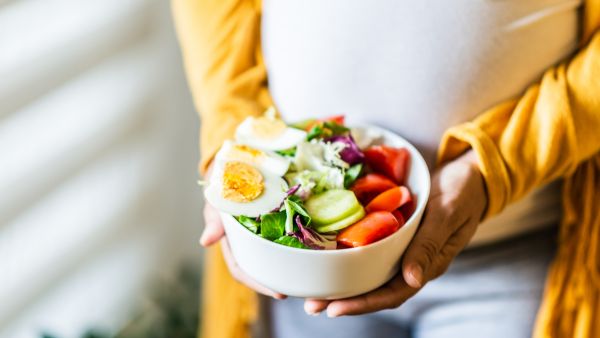

Healthy habits during pregnancy play a major role in supporting your well-being and your baby’s development. The right balance of nutrition, activity, and daily care can help you stay energized and manage common symptoms. Here’s what to keep in mind when focusing on nutrition and wellness during pregnancy:
Understanding Nutrition Needs
Good nutrition during pregnancy supports the baby’s growth and development. A balanced diet provides the necessary vitamins, minerals, and energy required for the formation of key organs, bones, and tissues. For the mother, adequate nutrition helps manage common pregnancy-related symptoms like morning sickness and fatigue. It also reduces the risk of complications.
Maintaining a healthy diet contributes to appropriate weight gain during pregnancy. A well-nourished body is better prepared for labor and delivery, and can recover more efficiently postpartum. The food you eat directly impacts your baby’s well-being; making informed dietary choices is a helpful practice during your prenatal period.
Adding Key Pregnancy Foods
Incorporating nutrient-dense foods into your diet is a key part of a healthy pregnancy. Leafy greens like spinach and kale are rich in folate, which is fundamental for preventing neural tube defects in the developing fetus. Legumes, such as lentils and chickpeas, provide a great source of fiber, protein, and iron. These are needed for your baby’s growth and your energy levels. Dairy products like yogurt and milk are excellent sources of calcium and vitamin D; these are needed for the development of your baby’s bones and teeth. Lean proteins such as chicken and fish are rich in iron and omega-3 fatty acids, which support brain development.
Supporting Wellness
Certain wellness habits can complement a balanced diet to support a healthy pregnancy. Contemplate incorporating these practices into your daily routine:
- Regular Physical Activity: Gentle exercises like walking, swimming, and prenatal yoga help to manage weight gain, improve circulation, and reduce stress.
- Sufficient Sleep: Aim for quality sleep per night, as this allows your body to rest and recover.
- Stress Management: Practices such as mindfulness, deep breathing exercises, and meditation can help lower stress levels.
- Hydration: Drinking plenty of water throughout the day is fundamental for maintaining amniotic fluid levels and supporting blood volume.
These habits can help you feel your best while you are expecting a baby.
Avoiding Risky Habits
Just as some foods and habits are helpful, others should be avoided during your prenatal period to protect you and your baby. Make sure to avoid the following:
- Certain Seafood: High-mercury fish, such as shark, swordfish, and king mackerel, should be avoided; they can harm a baby’s developing nervous system.
- Unpasteurized Foods: Raw milk and soft cheeses made from unpasteurized milk can contain harmful bacteria, such as Listeria.
- Alcohol and Tobacco: Alcohol and tobacco can lead to severe developmental problems and should be completely avoided.
- Excessive Caffeine: High levels of caffeine have been linked to an increased risk of miscarriage; limit your intake to a safe amount as advised by your healthcare provider.
Steering clear of these items helps minimize risks during your pregnancy.
Book Your Pregnancy Care Appointment
A healthy pregnancy is supported by a combination of good nutrition and positive wellness habits. You can create a nurturing environment for your developing baby by focusing on nutrient-rich foods and avoiding potential risks. Regular prenatal care is also a key part of this process. Contact a pregnancy specialist near you to book your pregnancy care appointment today.