

Dermatology offers a broad range of care options to address medical and aesthetic skin concerns. This field supports patients with varying needs and goals through procedures that treat skin conditions, as well as treatments that improve texture, tone, and appearance. Here’s more information on how to navigate surgical and cosmetic dermatology approaches:
Exploring Surgical Care
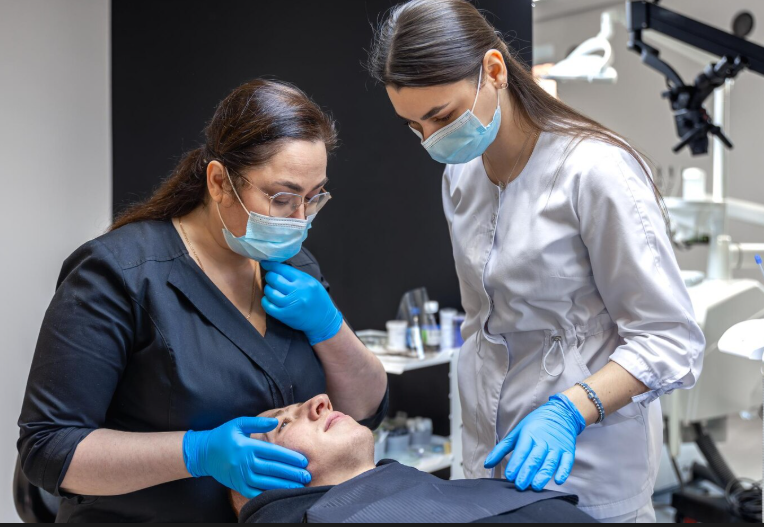
Surgical dermatology includes physical procedures that remove abnormal skin growths or repair damaged tissues. A dermatologist performs these procedures to treat skin cancer, excise benign moles, or resolve severe cysts. The fundamental goal centers on disease removal, and they also support long-term health preservation. You often undergo these treatments when topical medications or non-invasive therapies fail to resolve the underlying medical condition. These surgeries remain a primary defense against aggressive skin diseases.
Surgical approaches use local anesthesia and precise cutting techniques to safely clear affected margins. A doctor will stitch the treated area to promote proper wound healing and prevent bacterial infections. You should review the specific recovery timeline with your provider, as surgical wounds require daily clinical care.
Understanding Cosmetic Dermatology’s Role
Cosmetic dermatology offers elective procedures that target visible skin changes and signs of aging. A dermatologist uses these specialized treatments to alter skin texture, reduce uneven pigmentation, and address superficial vascular issues. The following treatments are clinical options within this specific category:
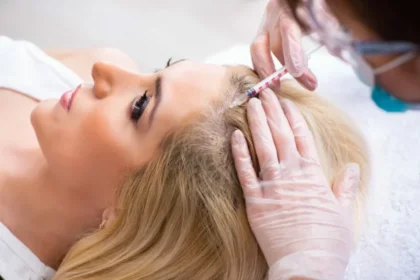
- Botulinum toxin injections paralyze underlying facial muscles, which smooths the overlying skin wrinkles.
- Dermal fillers restore lost volume in the cheeks and lips, creating a firmer surface structure.
- Chemical peels remove the outermost layers of skin, which can reduce minor scarring and sun damage.
- Laser therapy targets excess melanin cells to clear age spots and broken facial capillaries.
These cosmetic methods provide helpful ways to modify your appearance without invasive physical surgery.
Balancing Treatment Goals
Patients frequently need surgical and cosmetic dermatology methods to achieve optimal skin health. A dermatologist may surgically remove a skin cancer lesion, which often leaves a visible facial scar. Following the surgical recovery, the doctor can apply cosmetic laser treatments to fade the remaining scar tissue. The combined strategy addresses the medical disease first, and it subsequently manages the physical appearance. You receive a complete treatment cycle by integrating functional and aesthetic procedures.
Clear communication with your provider plays a key role in sequencing these different therapies. You must prioritize surgical interventions to address health issues before tackling superficial skin concerns. This timeline helps you avoid tissue complications, and it allows you to achieve the best possible outcomes.
Making Dermatology Care Decisions
You must objectively evaluate your symptoms when developing a specialized skin treatment plan. Patients should evaluate their specific goals and discuss available options with a board-certified professional. The following steps provide a helpful framework for managing your clinical choices:
- Request a complete skin examination to identify underlying diseases before pursuing aesthetic physical changes.
- Discuss the specific risks and expected recovery times for each proposed medical procedure.
- Ask the doctor to explain how different procedures interact with your daily skincare routine.
These distinct guidelines make sure you approach your skin treatments with realistic expectations. A methodical planning process prevents rushed decisions, and it supports long-term dermatological health.
Schedule Your Surgical and Cosmetic Dermatology Consultation
Dermatology provides distinct approaches to treat complex skin diseases and modify aesthetic features. Surgical methods target medical conditions through precise physical excisions, and cosmetic approaches alter surface textures and structural volume. Contact a qualified dermatologist near you to schedule your surgical and cosmetic dermatology consultation today.