

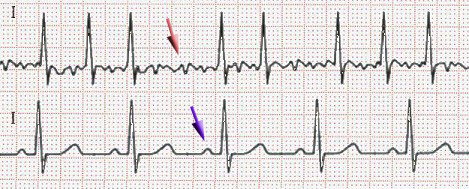

Receiving a diagnosis of atrial fibrillation is a step in addressing the condition and maintaining your health. Atrial fibrillation is a type of irregular heartbeat that can lead to various health complications if untreated. Along with other medical treatments, incorporating specific lifestyle changes and management strategies can support your overall health plan.
Prioritize Heart-Healthy Habits
Making dietary adjustments is beneficial for managing atrial fibrillation and promoting overall cardiovascular health. A heart-healthy diet can help control blood pressure, maintain a healthy weight, and reduce the strain on your heart. Key dietary changes include:
- Eating a Balanced Diet: Focus on fruits, vegetables, lean proteins, and whole grains to make sure you receive nutrients that support heart function.
- Limiting Sodium: High sodium intake can lead to elevated blood pressure. Avoid processed foods, which are typically high in sodium, saturated fats, and sugars.
- Moderating Alcohol and Caffeine: These substances can trigger episodes in some people. Discuss appropriate limits with your healthcare provider.
- Maintaining a Healthy Weight: A combination of a healthy diet and regular exercise can reduce the burden on your heart and is a key part of your management plan.
Manage Stress Effectively
Chronic stress impacts your cardiovascular system, and managing it plays a key role in maintaining your health. When you feel stress, your body releases hormones that raise your heart rate and blood pressure, which may influence atrial fibrillation. Discovering healthy ways to handle daily pressures supports both your mental and physical well-being. Try different techniques to see what suits you best. Building a routine with relaxation practices is beneficial. Some activities include:
- Mindfulness meditation
- Deep breathing exercises
- Yoga or tai chi
Improve Daily Activity
Regular physical activity is beneficial for your heart, but caution is needed if you have atrial fibrillation. Moderate, low-impact exercises such as brisk walking, swimming, or cycling can strengthen the heart and improve circulation. These activities also help with weight management and stress reduction, making them suitable options for many individuals. Talk to your doctor before starting a new exercise routine to find the right level of activity for your condition.
Monitor Triggers Regularly
Monitoring your activities and symptoms can help you and your doctor understand what leads up to an episode. Common triggers include stress, poor sleep, certain foods, and overexertion, so keeping a detailed journal of your daily activities, meals, and symptoms can reveal patterns over time. This approach can help you better manage your condition.
When an episode occurs, write down the time, what you were doing, and how you felt beforehand. This detailed record helps your medical team identify specific triggers, and you can then make informed adjustments to your daily routine. By recognizing these patterns, you can take an active role in your care and reduce the frequency of episodes.
Take the Next Step in Atrial Fibrillation Management
Living with atrial fibrillation means working closely with your medical team. Lifestyle changes can help manage the condition and support your doctor’s treatments. By staying active, eating heart-healthy foods, and managing stress, you can improve your quality of life while caring for your heart. Talk to your healthcare provider to create a plan that works for you.