

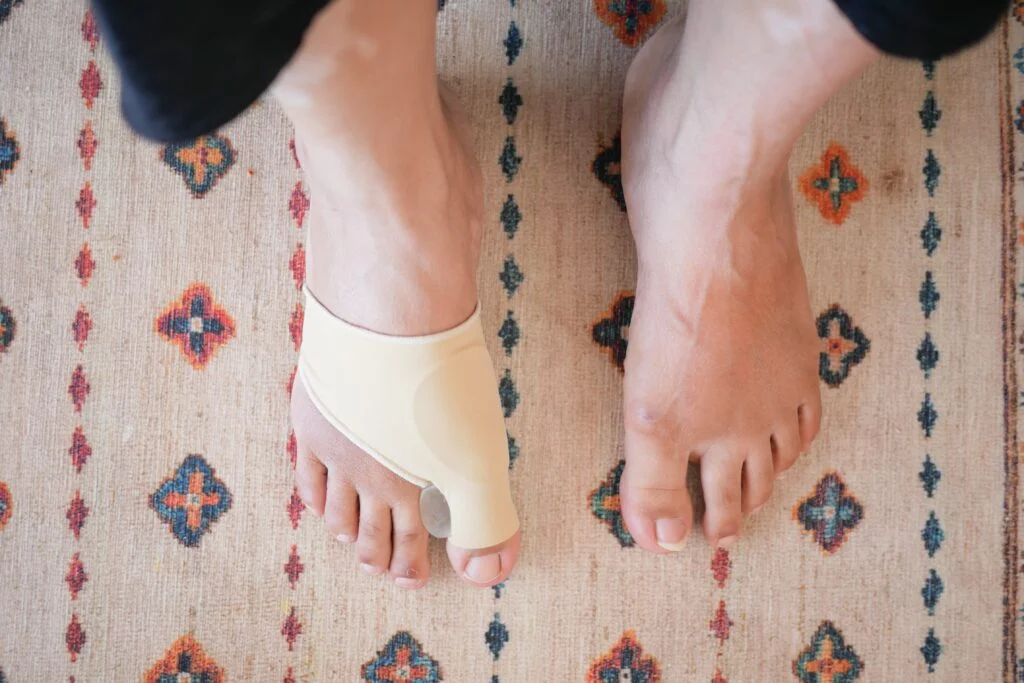

A bunion is a bony bump that forms on the joint at the base of the big toe. This occurs when some of the bones in the front part of your foot move out of place, causing the tip of your big toe to get pulled toward the smaller toes. Bunions can affect gait or lead to bursitis. Here are some tips for selecting supportive shoes to manage bunion pain:
Wide Toe Box
When you have a bunion, the front of your foot tends to be wider, which can make standard or narrow shoes feel tight and uncomfortable. Shoes with a wide toe box provide more space for your toes to spread out, reducing pressure on the bunion joint and helping prevent friction between your toes. Look for shoes labeled as “wide” or “extra-wide” in the forefoot area. Designs with a deep and roomy toe box allow your toes to lie in their natural position without being squeezed together. Some brands design footwear for people with bunions, making it easier to find suitable options. Soft, flexible materials, such as leather, mesh, or stretch fabrics, help the shoe adjust to the shape of your foot.
Low Heels
High heels place the majority of your body weight on the front of the foot and the joint at the base of the big toe. For someone with a bunion, shifts in pressure can aggravate the area; this can lead to increased soreness or cause long-term strain. When choosing low-heeled shoes, look for styles such as supportive flats, loafers, or athletic sneakers. These help distribute your weight across the entire foot, reducing the load placed on the big toe joint.
The thickness and design of the sole also matter; cushioned soles or modest platforms help reduce the impact on the forefoot. If you want to wear dress shoes for special occasions, seek options with a low heel and a wide, rounded toe. Avoid backless shoes and flip-flops when possible, as they provide little support and may lead to instability or toe gripping.
Good Arch Support
Strong arch support helps the entire foot stay aligned and supported while walking or standing. For people with bunions, good arch support helps prevent the foot from rolling too far inward, which can increase discomfort. Proper arch support distributes weight more evenly across the foot, rather than being concentrated at the big toe joint.
Look for shoes with structured, supportive insoles or the option to add orthotic inserts. Orthotics address the unique shape of your foot and fill in space where standard shoe insoles may lack support. Custom orthotics, designed specifically for your feet, provide a personalized fit to address specific issues, including bunions.
Footwear with a stable heel counter also helps improve alignment. Some athletic shoes, hiking boots, and walking shoes are designed with built-in arch support that meets the needs of those with bunions. A podiatrist can recommend shoes tailored to your foot shape and provide guidance on options that offer comfort and support.
Visit a Podiatrist for Bunions
Selecting the right footwear helps make daily life with bunions more manageable, and a podiatrist can provide tailored recommendations for suitable footwear. A podiatrist is a doctor trained to address bunions of all sizes and severities. They assess your gait, foot shape, and the characteristics of your bunion. For severe bunions, a podiatrist may recommend surgery to alleviate pain, correct a hammer toe, and improve gait. Schedule an appointment at a foot clinic today to learn more about foot health.
- Tips for Maintaining Spinal Health Through Chiropractic Care
- How to Choose the Right Sports Medicine Specialist for Your Needs
- The Connection Between Hair Loss Treatment and Overall Scalp Health
- What to Expect in a Session with a PTSD Therapist
- Exploring Ingredients and Formulations in White Label Health and Beauty Products