

Vascular disease affects the body’s network of blood vessels, and understanding this condition is the first step toward managing it. The circulatory system is responsible for transporting blood, so any issues can lead to serious health complications. Here is more information on vascular disease, its types, causes, symptoms, and treatments:
What Is Vascular Disease?
Vascular disease is a condition that impacts the circulatory system, which consists of arteries and veins that carry blood throughout the body. When these vessels are affected by disease, it can disrupt blood flow, leading to organ and tissue damage. This group of diseases ranges from mild to life-threatening, so proper diagnosis is beneficial. The specific location and severity of the disease determine its effects and the required medical response.
What Are the Different Types?
Vascular diseases are categorized based on the type of blood vessel affected and the nature of the problem. One common type is peripheral artery disease (PAD), which involves the narrowing of arteries that supply blood to the limbs. Another type is an aneurysm, in which a bulge forms in the wall of a blood vessel, and this can be dangerous if it ruptures.
Other types include deep vein thrombosis (DVT), a condition in which blood clots form in deep veins, usually in the legs. Varicose veins are characterized by swollen and twisted veins visible under the skin. Each type of vascular disease presents unique challenges, and they require specific diagnostic and treatment approaches.
What Causes Them?
Several factors contribute to the development of these diseases, with atherosclerosis being a primary cause. Atherosclerosis is the buildup of plaque in the arteries, which narrows the vessels and restricts blood flow. High blood pressure and high cholesterol are significant risk factors that accelerate this plaque accumulation. A sedentary lifestyle and a diet high in saturated fats can also lead to vascular problems over time, so adopting healthier habits can reduce risk.
What Are the Symptoms?
Symptoms vary widely depending on the specific condition and the affected body part. For peripheral artery disease, common symptoms include leg pain or cramping during physical activity. In cases of an aneurysm, symptoms may not appear until the aneurysm becomes large or ruptures, so early detection is key.
With deep vein thrombosis, individuals may experience swelling, pain, and redness in the affected limb, and the area may feel warm to the touch. Varicose veins are often visible as bulging, bluish veins, and they cause an aching or heavy feeling in the legs. Recognizing these symptoms can lead to earlier diagnosis and treatment, so paying attention to bodily changes is useful.
What Are the Treatment Options?
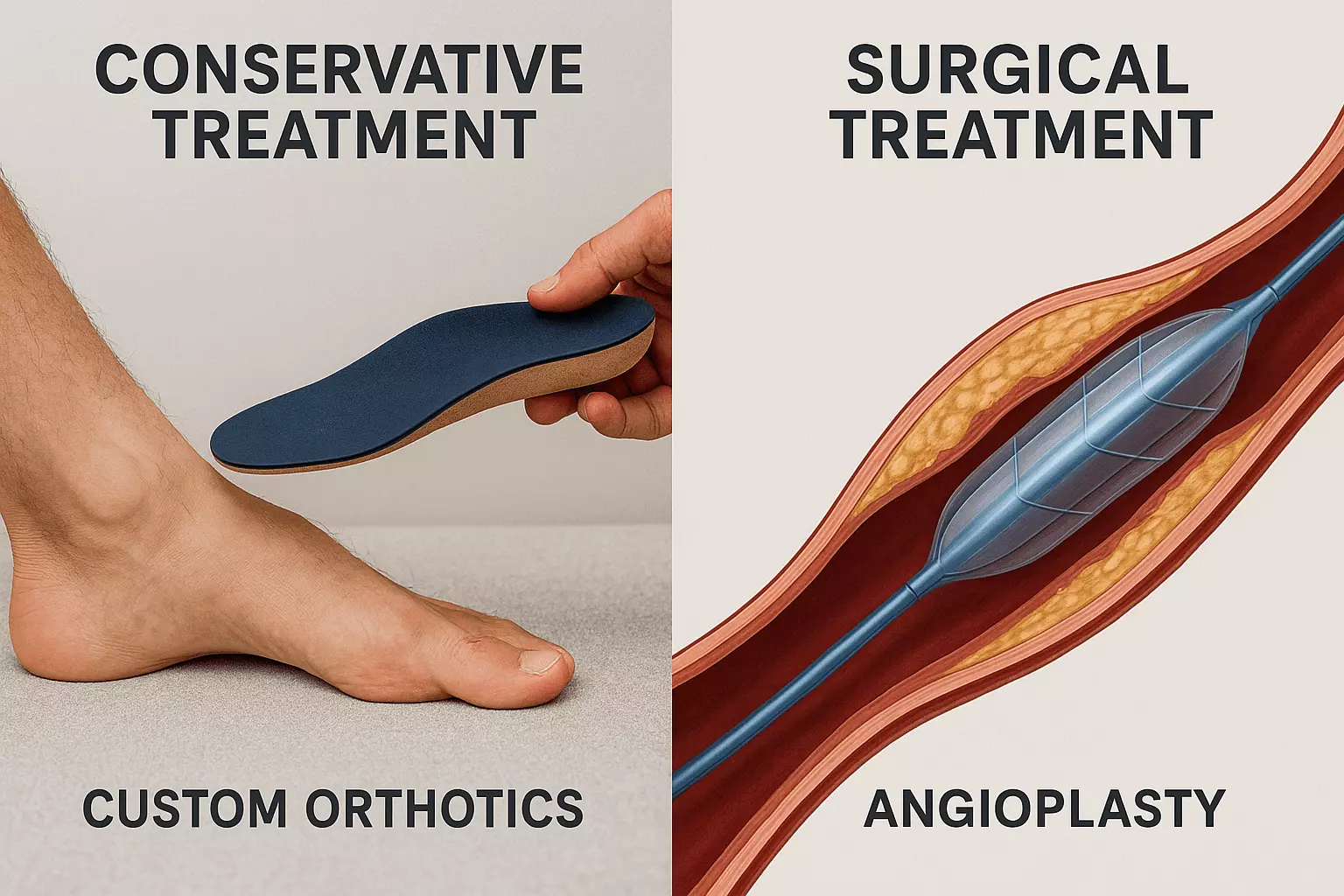
Treatment is tailored to the individual and the specific condition, and it often begins with lifestyle modifications. Adopting a healthier diet, engaging in regular physical activity, and quitting smoking can slow the progression of the disease. These changes help improve overall vascular health and reduce symptoms.
Medications may be prescribed to manage underlying risk factors, such as high blood pressure or high cholesterol. In more advanced cases, procedures like angioplasty and stenting can be used to open narrowed or blocked arteries. Angioplasty involves inflating a small balloon inside the artery, while stenting places a small mesh tube to keep the artery open.
Explore Treatment Options Now
Understanding vascular disease is the first step toward effective management and treatment. If you are experiencing symptoms or have risk factors for vascular disease, seek medical advice. A healthcare provider can provide a diagnosis and guide you toward the most appropriate treatment.
- Tips for Maintaining Spinal Health Through Chiropractic Care
- How to Choose the Right Sports Medicine Specialist for Your Needs
- The Connection Between Hair Loss Treatment and Overall Scalp Health
- What to Expect in a Session with a PTSD Therapist
- Exploring Ingredients and Formulations in White Label Health and Beauty Products