

Hair loss affects many people, and both men and women experience thinning hair. Medical professionals have developed a range of procedures to address these concerns. When you learn about current options, you can be better prepared to make the ideal choice for you. Here is more information on innovations in hair transplant technology:
Follicular Unit Extraction Technique
Follicular unit extraction (FUE) is a major hair transplant technique. Doctors select and remove individual hair follicles from a donor area. They use a punch tool that is both tiny and efficient, making extraction as gentle as possible. While the FUE process takes time, surgeons maintain a steady focus and work with care.
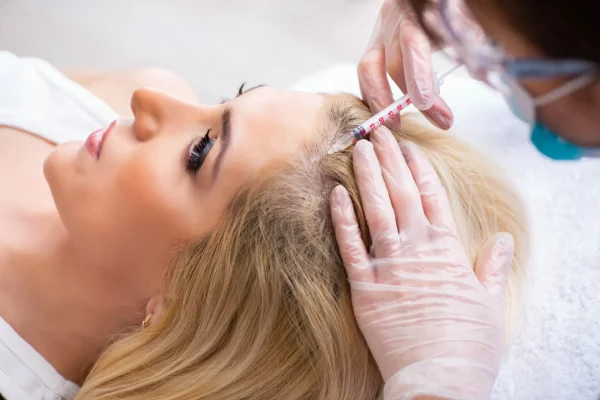
Specialists place each follicle into the recipient area, making sure that the hair looks as natural as possible once it grows. During the procedure, you remain awake, and a local anesthetic reduces any discomfort. The medical team will prepare your scalp before they begin removing follicles, and once everything is ready, they will start the extraction process. FUE’s benefits include:
- Minimally invasive procedures with reduced scarring.
- Natural-looking results as individual follicles are transplanted.
- Shorter recovery times compared to traditional methods.
- Effective results for a variety of hair types and patterns.
Follicular Unit Transplant Technique
Follicular unit transplantation (FUT) is another option for hair restoration. In this method, the surgeon removes a small strip of scalp tissue, typically from the back or side of the head. They then close the donor area using fine stitches to promote healing.
This technique allows surgeons to harvest many follicles at once, speeding up the collection process compared to FUE. The hair around the donor scar typically covers the area, which minimizes visual impact for most people. After the strip is removed, technicians carefully separate the follicles under a microscope.
Once separated, the follicles are prepared for placement in the recipient area. This step requires attention to detail. Patients generally go home the same day, and a follow-up appointment is scheduled.
Reduced Scars
A typical concern for people seeking hair transplants is scarring. Tools and techniques now focus on making scars less visible and supporting a natural look. Modern methods, precise instruments, and careful closures all play a role.
Because options for reducing scars have expanded, here are a few examples:
- Advanced closure techniques
- Micro-punch extraction
- Precise follicle placement
Patients have more choices than ever when discussing scarring with their doctor. These advancements help support a new hairline and address appearance concerns.
Microvascular Forceps
Microvascular forceps are delicate tools that help surgeons during transplantation, and they allow for gentle grafts and reduce damage to hair follicles. While using these forceps, surgeons can grip and move follicles with control. The tip of the forceps is specially designed to protect follicle roots while still providing a firm hold. When a medical professional uses microvascular tools, they are better equipped to achieve optimal graft placement. This attention to detail contributes to the overall quality of the final transplant.
Schedule a Hair Transplant Today
Reaching out to a medical specialist is the first step in exploring hair transplant options. Every person’s pattern of hair loss is different, so an individualized approach is needed. Review the available procedures and work with your provider to decide which ones fit your needs. Connect with a reputable clinic, schedule a consultation, and learn what the next steps look like for you.