


The endocrine system serves as a vast chemical messenger network within the body. It comprises various glands that release hormones directly into the bloodstream. These hormones regulate metabolism, growth, sleep, and mood. When this system falters, the body sends signals that something is amiss. Recognizing symptoms of disorders allows individuals to seek medical guidance promptly.
How Do Symptoms Present?
Symptoms of endocrine disorders often manifest slowly and subtly. Many people attribute early signs to stress, aging, or a busy schedule. The body might experience general malaise or persistent physical changes. These indicators can affect distinct parts of the body simultaneously because hormones travel throughout the bloodstream. A disruption in one gland often creates a ripple effect elsewhere.
- Unexplained fatigue or exhaustion
- Sudden weight gain or loss
- Changes in skin texture or moisture
- Mood swings or irritability
- Muscle weakness or aches
Paying attention to persistent changes helps detect them early. A symptom that lasts for several weeks warrants medical attention. Ignoring these signs may allow a condition to progress unchecked. Observing the duration and intensity of these symptoms helps doctors form a diagnosis.
Which Changes Indicate Dysfunction?
Specific physiological changes indicate that the endocrine system is functioning improperly. These alterations often differ significantly from normal daily fluctuations. Observers might notice shifts in energy levels, appetite, or physical appearance. Understanding specific indicators helps distinguish hormonal issues from other common ailments. These signs often point to particular glands struggling to maintain balance.
- Increased Thirst and Urination: The body may struggle to regulate blood sugar levels, which leads to frequent hydration needs.
- Temperature Sensitivity: An inability to tolerate heat or cold often indicates thyroid irregularities or metabolic shifts.
- Vision Changes: Blurred vision can result from elevated blood sugar or pituitary issues affecting the optic nerves.
- Slow Healing: Wounds that take longer to heal may indicate metabolic disturbances that affect circulation and the immune response.
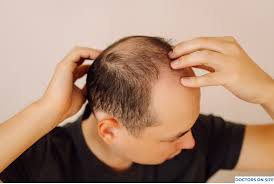
- Hair Changes: Thinning hair or excessive growth often links back to specific hormonal imbalances or adrenal issues.
Tracking these changes provides doctors with valuable information. A detailed record of symptoms assists healthcare providers in their assessment. These specific dysfunctions often guide the medical team toward distinct glands within the endocrine system. Recognizing patterns in these changes effectively supports the diagnostic process. Patients typically benefit from noting when these specific changes began.
How Are Disorders Identified?
Healthcare professionals employ a variety of methods to pinpoint endocrine disorders. The process typically begins with a comprehensive physical examination and medical history review. A doctor discusses current symptoms and family history in detail. They check for physical signs such as a swollen thyroid gland or skin abnormalities. This initial assessment guides the selection of further diagnostic tools.
Blood and urine tests are primary diagnostic tools that measure hormone levels circulating in the body at specific times. They reveal whether specific glands are overactive or underactive. Technicians analyze these samples to detect chemical imbalances or abnormalities. Interpreting these results requires specialized medical knowledge of reference ranges.
Imaging studies also play a significant role in diagnosis. Ultrasound, CT scans, or MRI scans allow doctors to view the glands directly. These images can reveal nodules, tumors, or structural abnormalities within the endocrine system. Combining imaging results with blood tests provides a complete picture of health. Genetic testing may occur in some cases to identify hereditary conditions.
Check Your Endocrine System
Monitoring your body for persistent changes supports long-term well-being. The endocrine system requires balance to function effectively and sustain health. If you notice unexplained symptoms or persistent discomfort, contact a medical professional immediately. Early intervention often leads to better management of hormonal conditions. Take charge of your health by scheduling an appointment today.