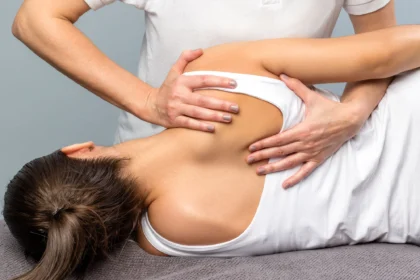



Joint pain can range from mild discomfort to debilitating pain that interferes with daily activities. Joints connect bones, providing support and allowing the body to move. Damage to the joints from disease or injury may disrupt movement and cause pain. Many individuals find relief through a combination of lifestyle adjustments and medical guidance.
What Causes Joint Pain?
Numerous conditions can lead to painful joints. Arthritis is a primary cause of joint pain. There are many forms of this condition. Osteoarthritis involves the wearing down of cartilage, the slick tissue that cushions the ends of bones within a joint. This form of arthritis is common in adults over age 50 and frequently affects the hands, knees, hips, and spine. Rheumatoid arthritis is an autoimmune disorder where the body’s immune system attacks the lining of the joint capsule.
Joint pain may also result from other health issues. Bursitis is the inflammation of the bursae, which are fluid-filled sacs that cushion bones, tendons, and muscles near the joints. Injuries such as strains, sprains, and fractures can also cause pain. Some infections may cause temporary joint inflammation and discomfort.
How Is Pain Managed?
Managing joint pain often begins with at-home strategies and lifestyle modifications. These approaches aim to reduce stress on the joints and lessen inflammation. Regular physical activity can help manage this type of pain. Low-impact exercises strengthen the muscles around the joints, which provides better support. Stretching may improve flexibility and range of motion.
Maintaining a healthy body weight is a key component of pain management. Excess weight places more pressure on the joints, particularly the knees, hips, and back. Applying ice packs to painful joints can help reduce swelling and numb the area. For muscle aches around a joint, a heating pad may provide relief. It is also beneficial to balance activity with rest to avoid overworking painful joints and allow them time to recover.
How Is Pain Medically Treated?
Some cases of joint pain do not provide sufficient relief via lifestyle changes. Medical treatments may be recommended if conservative pain management does not alleviate pain. These options range from medications to more advanced procedures.
Medications
Over-the-counter pain relievers, such as nonsteroidal anti-inflammatory drugs (NSAIDs), can help reduce pain and inflammation. For more severe pain, a physician might prescribe stronger medications. Steroid injections directly into the joint can provide temporary relief from pain and swelling in some cases.
Surgical Procedures
For joints with extensive damage, surgery may be an option. Procedures can range from minimally invasive techniques to total joint replacement. This is typically reserved for individuals with severe pain and limited mobility that has not responded to other treatments.
Know When to Seek Care
While many instances of joint pain can be managed at home, certain symptoms warrant medical attention. You should consult a healthcare provider if the pain is severe, the joint is visibly swollen or deformed, or you are unable to move the joint. Prompt diagnosis and treatment may help manage the underlying condition and preserve joint function. A healthcare professional can provide a thorough assessment and recommend a suitable treatment plan for your specific situation.
- Tips for Maintaining Spinal Health Through Chiropractic Care
- How to Choose the Right Sports Medicine Specialist for Your Needs
- The Connection Between Hair Loss Treatment and Overall Scalp Health
- What to Expect in a Session with a PTSD Therapist
- Exploring Ingredients and Formulations in White Label Health and Beauty Products