

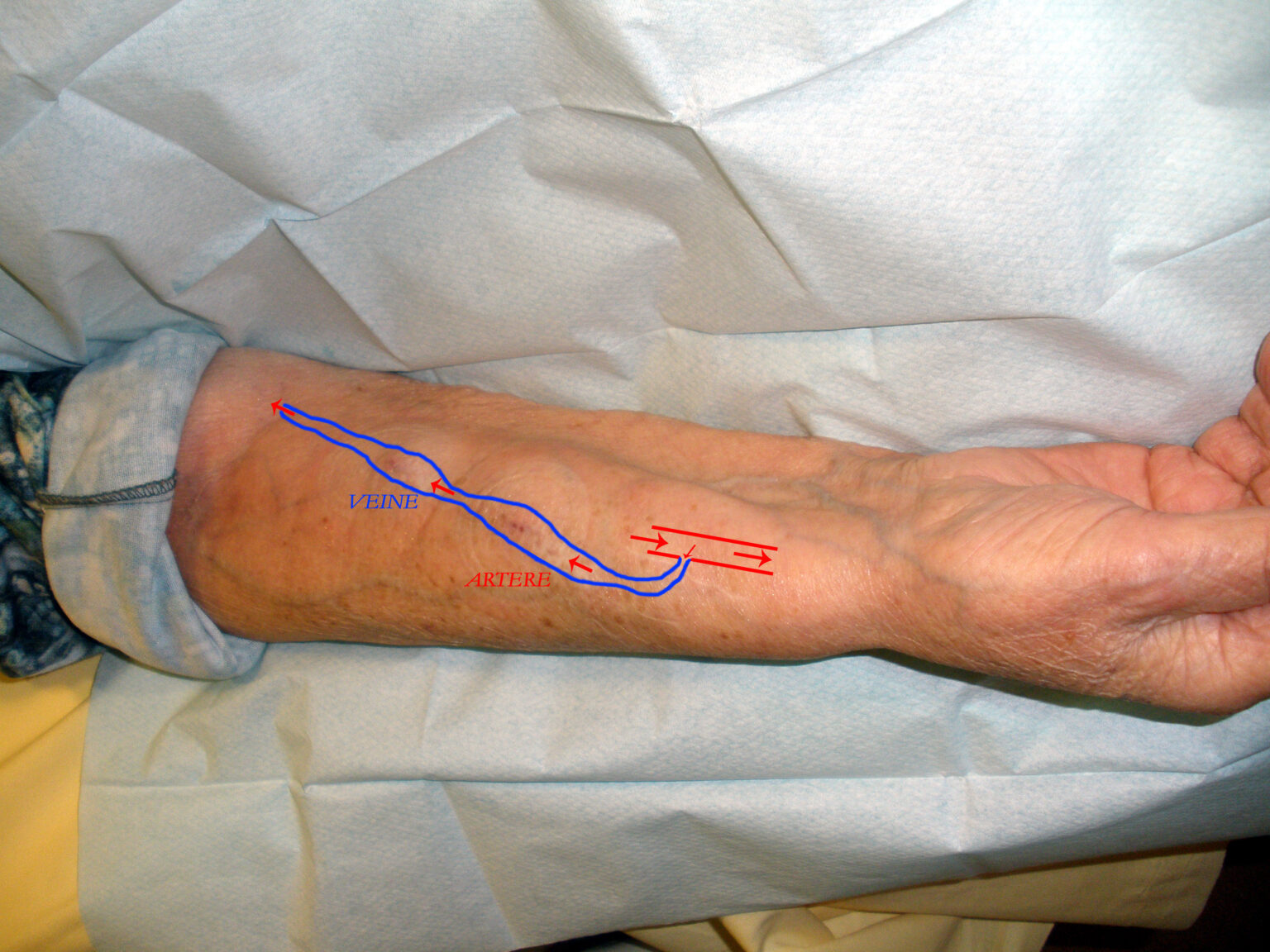

Dialysis access is a surgically created entry point into your bloodstream, and this allows blood to travel to the dialysis machine for cleaning. Then, the clean blood returns to your body. Selecting the right type of access is a key step in preparing for treatment. Here is more information about how to choose the right dialysis access method:
Determine Needs
Your specific medical needs are a primary factor in the decision process. A physician can evaluate your overall health and kidney condition, and they also review your complete medical history. While you provide input, the medical team assesses the urgency of dialysis. This information helps narrow down the suitable dialysis access options for you.
Your lifestyle and daily activities also play a role. Some access types require more care than others. You might discuss your work, hobbies, and home environment. Your ability to care for the access site is part of the conversation. These details give your care team a full picture of your situation.
Evaluate Vein Health
A physician will assess the health of your veins. This is typically done through a physical examination and imaging tests, and both are essential for accurate diagnosis. The goal is to find a vein that is strong enough for an access site. Blood vessels in your non-dominant arm are typically checked first.
The evaluation process includes several steps. You may have an ultrasound to map your veins, and this test shows the size and depth of the blood vessels. It helps the surgeon plan the procedure. Vein mapping is a standard part of preparing for access surgery.
Certain conditions may affect your vein health. Previous injuries or medical procedures might limit options. For some people, a history of IV lines or pacemakers can alter vein structure. The physician looks at these factors and determines the best location for your access.
Discuss Goals
You will have a discussion with your doctor about your treatment goals. This conversation helps align the access choice with your long-term health plan. For instance, if you are a candidate for a kidney transplant, your access plan might differ. You can talk about your preferences, and your doctor will provide medical guidance.
These discussions provide an opportunity to ask questions, and you can learn about the different access types and their specific care requirements. Understanding the daily management of each option is helpful. Open communication with your care team supports the decision-making process.
Choose Type
After the evaluation, you and your doctor will choose an access type. A fistula is created by surgically connecting an artery to a vein. Blood flow increases into the vein, and the vein expands and strengthens. A fistula may take several months to mature before it is ready for use.
Getting a graft is another option. A graft uses a soft, synthetic tube to connect an artery and a vein. The choice between a fistula and a graft depends on your vein health. Minimally invasive techniques are also available. These procedures create a fistula without open surgery. They use small catheters and wires inside the blood vessels. Available options may include:
- Arteriovenous (AV) fistula
- Arteriovenous (AV) graft
- Minimally invasive fistula creation
Schedule Dialysis Access Treatment
The final step is scheduling the procedure. Once an access type is chosen, the appointment can be scheduled. Your care team provides instructions for preparing for the surgery. They also explain what to expect during the recovery process. Following all post-procedure care instructions is part of the process. Contact a vascular specialist to schedule a consultation with a medical provider.