
Cosmetic enhancements refer to a range of procedures and treatments designed to alter or improve an individual’s appearance. These can range from non-invasive topical applications to surgical procedures. One widely recognized non-surgical option is the use of injectable treatments, like Botox, to address signs of aging. Here is information on Botox benefits for reducing wrinkles:
Blocking Nerve Signals
Botox treatments work by temporarily relaxing specific muscles, reducing the appearance of fine lines and wrinkles. Botox is a brand name for a specific type of neurotoxin derived from Clostridium botulinum. In a controlled, purified form, this substance has been adapted for medical and cosmetic applications.
Neurotransmitter Interruption
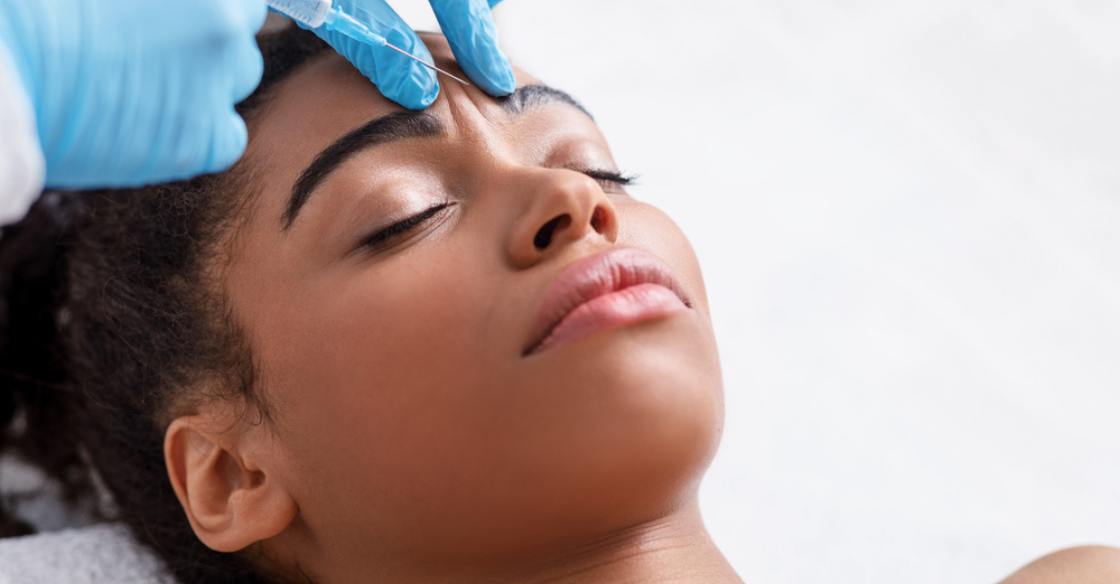
Neurotoxin injections work by interacting with the nervous system. Procedures involve injecting small, controlled amounts of the botulinum toxin into targeted areas, where it blocks nerve signals to the muscles. The effects of Botox are not permanent, typically lasting between three to six months, depending on individual factors like metabolism and the area treated.
When administered, Botox targets and blocks the release of chemical messengers, or neurotransmitters, that signal pain and control muscle movement. While primarily used for cosmetic purposes, Botox is also approved to address certain medical conditions, like:
- Chronic Migraines
- Excessive Sweating
- Muscle Spasm Conditions
Signal Pathway Disruption
By inhibiting the release of chemical signals, Botox effectively disrupts the communication pathway between the brain, the nerve, and the muscle. Neurotransmitters are responsible for transmitting chemical signals from nerves to muscles, instructing them to contract. When neurotoxins are injected, they prevent muscles from moving.
The nerve continues to send signals, but the muscle does not receive the message to contract. This interrupted communication relaxes muscles, which in turn softens and smooths the overlying skin. Cosmetic applications of these injections use this localized and temporary interruption for wrinkle reduction.
Preventing Muscle Contractions
Facial expressions are the result of repeated contractions of underlying facial muscles as you emote. These contractions lead to the formation of dynamic wrinkles, which are lines that appear during facial expressions, like frowning or smiling. With continued muscle activity over many years, these lines can become etched into the skin as static wrinkles, which are visible even when the face is at rest. By preventing these targeted muscles from contracting with their usual force, the overlying skin is able to relax.
Reducing Wrinkles
The relaxation of facial muscles directly leads to a reduction in the appearance of dynamic wrinkles. Because muscles are less active, the skin is not repeatedly creased, which allows existing lines to soften and become less noticeable. This treatment is often used as a preventive measure as well.
By limiting muscle movements that cause wrinkles, neurotoxin injections help slow the formation of new lines and prevent existing ones from deepening. Some common areas for cosmetic Botox treatments include:
- Forehead Lines
- Eyebrow Frown Lines
- Crow’s Feet
- Nasal Bunny Lines
Maintaining Your Results
To achieve consistent outcomes from your Botox treatments, follow the recommended aftercare instructions from your provider. These may include avoiding strenuous exercise, refraining from rubbing or massaging the treated areas, and keeping the head elevated for a short period following injections. For optimal results, scheduling regular touch-up appointments may help maintain the effects. Neurotoxin results may last for several months, but the effects are not permanent.
Schedule a Botox Appointment
To learn more about this treatment, contact a qualified dermatologist. An experienced provider can offer a thorough assessment of your concerns and discuss suitable treatments for your goals. Start your personalized cosmetic treatments today to improve your skin texture and health.