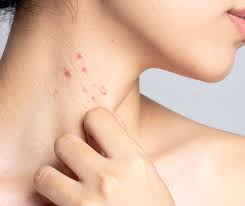


Allergies occur when the immune system reacts to a foreign substance. These substances, known as allergens, might include pollen, pet dander, or certain foods, triggering symptoms that range from mild irritation to severe reactions. While many people rely on conventional medicine for relief, some explore complementary approaches alongside their primary treatment plan. Here are some alternative therapies for allergies:
Nasal Irrigation
Nasal irrigation is a personal hygiene practice, and it is a complementary approach to treating allergies. Using a saline solution to flush out the nasal passages can help clear mucus and allergens from the nose. People use various devices for this process, including neti pots, squeeze bottles, and bulb syringes.
The process typically involves mixing salt and sterile water to create a saline solution. You then pour or spray the solution into one nostril. The fluid flows through your nasal cavity and exits through the other nostril. This action washes away irritants that are inside, helping to clean the nasal passages when you have allergies.
When performing nasal irrigation, use water that is distilled, sterile, or previously boiled and cooled. Tap water is not safe for this use because it may contain low levels of organisms that are safe to drink but not to put into your nose. Proper technique and sterile solutions are fundamental to the safe application of this method.
Targeted Acupuncture
Acupuncture is a component of traditional Chinese medicine, and it involves the insertion of very thin needles into specific points. For allergy symptoms, practitioners target points believed to influence the immune system and reduce inflammation. A licensed acupuncturist typically performs the procedure after a referral.
A specialist may assess your specific symptoms before they select the appropriate points for needle insertion. Needles are typically left in place for a short period while you rest. The number of sessions required varies from person to person, and a treatment plan is usually established during the initial consultation.
Probiotic Techniques
Probiotics are live microorganisms that may offer health benefits when consumed. Found in fermented foods and dietary supplements, these “good” bacteria are used for their effects on the gut microbiome and immune function. The gut contains a significant portion of the body’s immune cells. People interested in this approach add certain foods to their diet, such as:
- Yogurt with live cultures
- Kefir
- Sauerkraut
- Kimchi
Herbal Remedies
Herbal remedies involve using plants for medicinal purposes. One plant that is used for allergy symptoms is butterbur. Patients have used extracts from the butterbur plant for their potential effects on allergic rhinitis, also known as hay fever. Raw, unprocessed butterbur needs to be refined, so commercial preparations are typically certified as being safe and free from unwanted ingredients and compounds.
Get Treated for Allergies
Exploring different therapies for allergies is a personal journey. Many individuals seek information on various methods to complement their existing care routines. Discussing all treatment options with a qualified healthcare provider helps you make informed decisions about your health. If you are ready to address your allergy symptoms, contact our office to schedule a consultation.