

Hair loss affects more than just appearance, often reflecting underlying issues with the scalp. A healthy scalp creates a better environment for stronger and consistent hair growth; scalp conditions should be reviewed when choosing a hair loss treatment. Here’s a closer look at the connection between scalp health and treatment for hair loss:
Exploring Scalp Conditions
Several scalp conditions can directly impact the health of hair follicles and influence hair growth. Here is an overview of key conditions that can affect the scalp and their implications for hair health:
- Seborrheic Dermatitis: This inflammatory condition causes redness, flakes, and irritation, disrupting the scalp environment necessary for healthy follicle function.
- Psoriasis: A chronic autoimmune disorder that triggers thick and scaly patches on the scalp, which can obstruct hair growth by limiting oxygen and nutrient delivery to the follicles.
- Alopecia Areata: An autoimmune condition in which the immune system attacks hair follicles, causing sudden hair loss in round patches and inhibiting regrowth.
- Folliculitis: Infection or inflammation of hair follicles that can lead to pain and scarring, ultimately affecting healthy hair production.
Addressing these conditions is fundamental to creating an optimal environment for hair growth and achieving effective outcomes in hair loss treatment.
Supporting Healthier Scalp
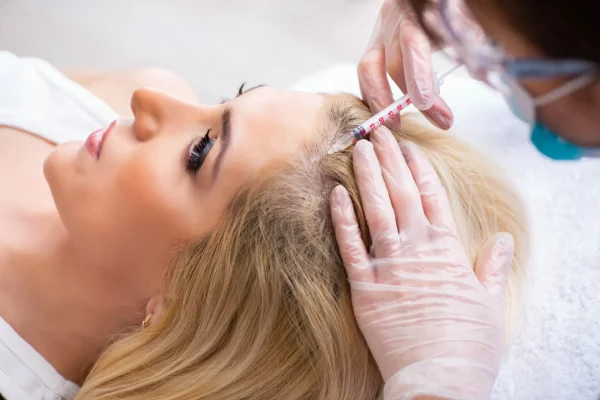
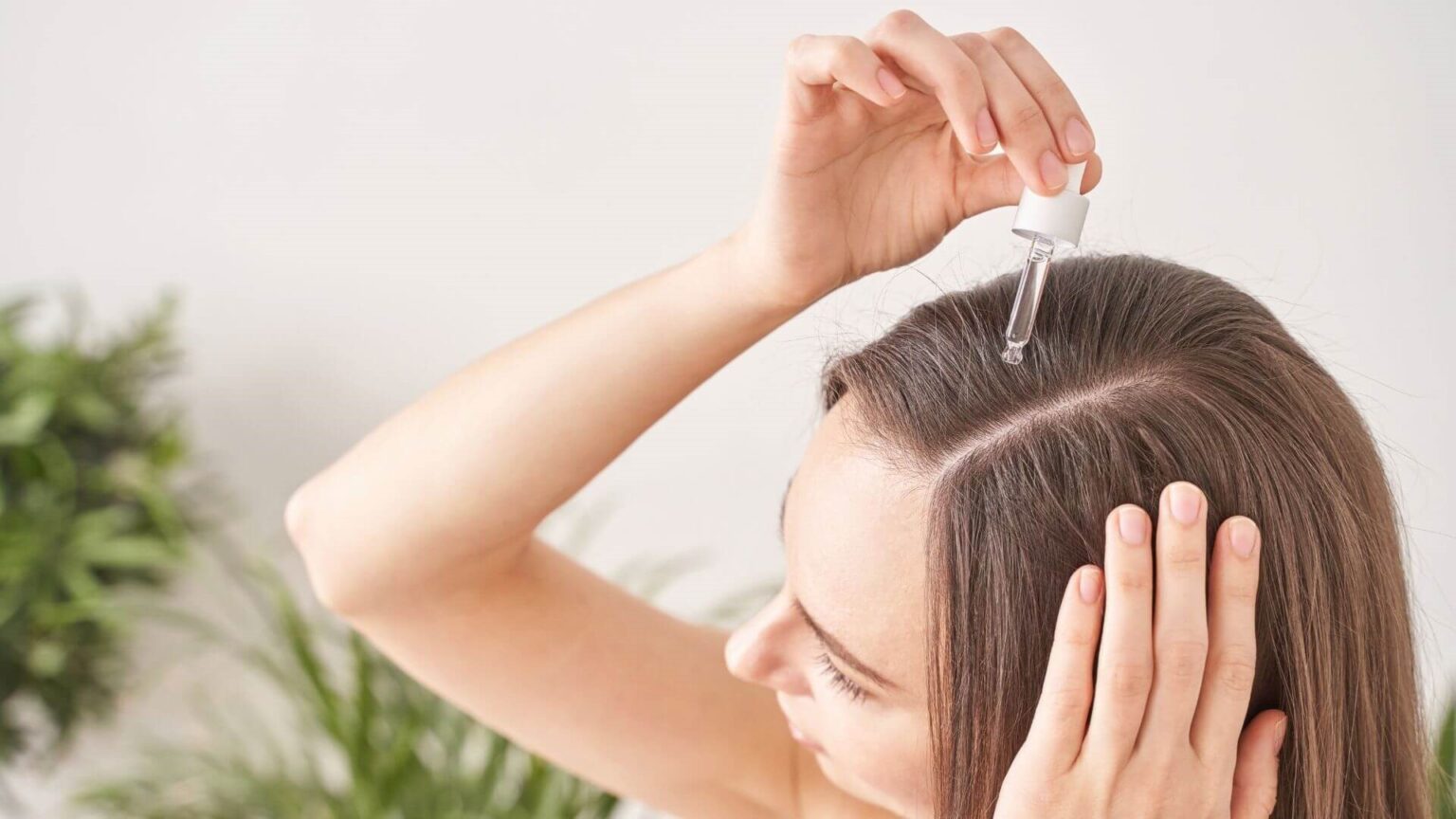
Treatment for hair loss addresses the hair shaft and the surrounding epidermal tissue. Topical solutions increase local blood circulation to the scalp, and this delivers key nutrients directly to the follicles. While medications stimulate new hair growth, they also clear dead skin cells from the scalp.
Hair restoration depends heavily on a balanced scalp microbiome. Clinical treatment regulates natural sebum production, and they reduce excess oils that constantly clog pores. When treatment for hair loss normalizes these surface oil levels, the scalp environment becomes ideal for new growth.
Strengthening Treatment Results
To enhance the effectiveness of hair loss treatments, incorporating specific daily habits can play a key role. Here are some of them:
- Regular Scalp Massage: This stimulates blood circulation to the hair follicles, encouraging nutrient delivery and supporting hair growth.
- Avoid Overwashing: Clean your hair without stripping natural oils, which are key for maintaining a balanced scalp environment.
- Choose Gentle Hair Products: These prevent irritation and protect scalp health by avoiding harsh chemicals.
- Protect from Sun Exposure: Shield the scalp and hair from UV damage by wearing hats or applying sunscreen to the scalp.
- Stay Hydrated: Support overall scalp and hair health by providing proper hydration levels throughout the body.
Adopting these habits can help individuals strengthen their treatment outcomes and create an optimal foundation for long-term scalp and hair health.
Knowing When Professional Care Matters
Certain physical symptoms indicate a clear need for professional medical evaluation. Severe itching disrupts daily activities, and persistent redness often points to an underlying bacterial infection. If over-the-counter products fail to resolve these topical issues, a certified dermatologist should assess the scalp condition. Patients may observe sudden changes in their skin texture. The skin becomes highly sensitive to the touch, and small lesions may appear near the hair roots. Whenever these signs develop, individuals require immediate clinical testing.
Start Your Hair Loss Treatment Today
Scalp health influences the success of all hair restoration efforts. Patients manage underlying skin conditions, and they apply medical therapies to support new hair growth. While home care is beneficial, professional guidance remains fundamental for optimal long-term results. Contact a qualified dermatologist near you to schedule your appointment and explore available hair loss treatments today.
- Tips for Maintaining Spinal Health Through Chiropractic Care
- How to Choose the Right Sports Medicine Specialist for Your Needs
- The Connection Between Hair Loss Treatment and Overall Scalp Health
- What to Expect in a Session with a PTSD Therapist
- Exploring Ingredients and Formulations in White Label Health and Beauty Products