

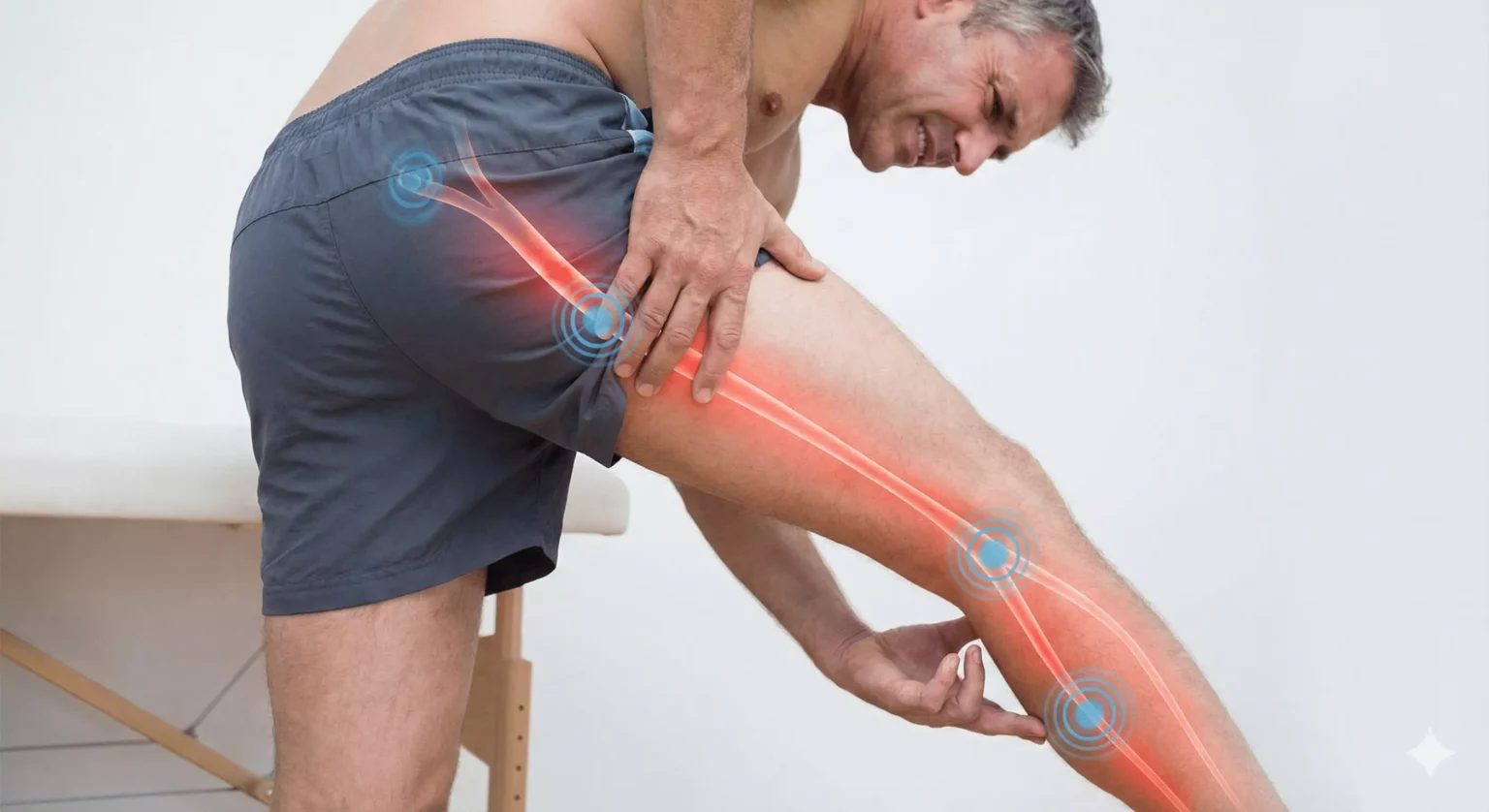

Sciatica refers to pain that radiates along the path of the sciatic nerve, which branches from your lower back through your hips and buttocks and down each leg. It most commonly occurs when a herniated disk or a bone spur compresses part of the nerve. This can cause inflammation, pain, and, often, numbness in the affected leg. For many individuals, managing this discomfort is a priority, and several at-home strategies may help alleviate symptoms. These approaches focus on reducing pressure on the nerve and managing inflammation for sciatica pain relief.
Exercise and Gentle Stretching
Gentle physical activity can be an effective way to manage the pain associated with sciatica. Prolonged inactivity may sometimes worsen the condition by weakening your back muscles and increasing stiffness. Incorporating specific, controlled movements can therefore be beneficial. Stretches that target the lower back, hamstrings, and gluteal muscles are particularly helpful, and they help reduce compression on the sciatic nerve. A simple knee-to-chest stretch, performed while lying on your back, may gently relieve pressure in the lumbar spine, offering sciatica pain relief. Movement also encourages better blood flow to the affected area, which delivers oxygen and nutrients that support the body’s natural healing processes. Because the wrong type of exercise aggravates symptoms, consult a professional. A physical therapist can provide personalized guidance on which exercises and stretches are most appropriate and safe for your specific situation.
Posture and Support
Maintaining proper posture is advisable for spinal health, and it can play a role in managing sciatica symptoms. When you sit or stand with poor posture, you place additional stress on your lower back, potentially aggravating the sciatic nerve. Using ergonomic chairs, lumbar support pillows, and adjustable desks may help maintain the natural curve of your spine while sitting. When lifting objects, bend at your knees and keep your back straight to avoid straining your lower back. Paying attention to your body’s alignment throughout the day is a simple yet impactful step.
Heat and Cold
Applying heat and cold therapy to the affected area can provide temporary relief from sciatica-related discomfort.
- Cold packs sometimes help reduce inflammation and numb the area, thereby dulling pain. For best results, wrap a cold pack or bag of ice in a thin towel and apply it to the painful area for up to 20 minutes at a time, several times a day. This is often most effective during the first few days of acute pain.
- Heat therapy can be introduced after the initial, most intense period of pain. Using a heating pad or taking a warm bath helps relax the tight muscles that may be compressing the sciatic nerve and contributing to your pain. Heat also improves blood flow to the area, and this increased circulation supports the body’s natural healing process.
It may be helpful to alternate between heat and cold therapy to address both inflammation and muscle tension simultaneously. This combination allows you to manage different aspects of sciatica pain effectively.
Ask About Sciatica Pain Relief Today
Managing sciatica involves understanding your symptoms and exploring methods that work for you. These natural remedies can be part of a management plan, but persistent or severe pain requires professional evaluation. A specialist can help identify the underlying cause of your sciatica and develop a comprehensive treatment strategy. Discussing your symptoms with a healthcare provider is a recommended step toward finding lasting relief. They can offer personalized advice and help you receive the most appropriate care for your condition.
- Tips for Maintaining Spinal Health Through Chiropractic Care
- How to Choose the Right Sports Medicine Specialist for Your Needs
- The Connection Between Hair Loss Treatment and Overall Scalp Health
- What to Expect in a Session with a PTSD Therapist
- Exploring Ingredients and Formulations in White Label Health and Beauty Products