

Lip fillers are an effective cosmetic procedure for individuals seeking to enhance the volume and shape of their lips. For those evaluating this treatment for the first time, understanding the process sets realistic expectations, and it helps patients prepare adequately. Here is more information on the fundamental aspects of lip augmentation, from the initial consultation to the procedure itself:
What Are Lip Fillers?
Lip fillers are injectable substances used to add volume to the lips. A common type of lip filler is hyaluronic acid, a natural substance found in the body that helps increase lip volume. These dermal fillers are designed to improve the appearance of the lips by adding shape, structure, and volume, and the effects typically last a few months.
How Do They Work?
Hyaluronic acid fillers work by attracting and holding water, which helps to hydrate and volumize the skin. When injected into the lip tissue, the gel-like substance supports and shapes it. The amount of substance injected can be controlled, so the doctor has better control over how much lip volume is created.
The injections may be administered using fine needles, allowing for precise placement of the product. Once injected, the filler integrates with the lip tissue, providing immediate results that settle over the following days. The body eventually breaks down and absorbs the hyaluronic acid, and this action makes the results temporary.
What Issues Do They Address?
Lip fillers address a variety of aesthetic concerns related to the lips and the surrounding area. They are used to increase the size of naturally thin lips or those that have thinned due to aging. They can also correct asymmetry; this is where one side of the lip is different in shape or size from the other. Fillers can define the cupid’s bow and smooth out vertical lip lines, creating a more youthful, balanced appearance for the lower face.
What Happens During an Appointment?
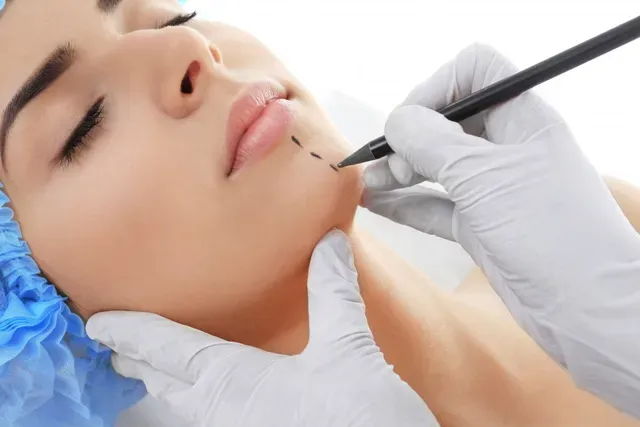
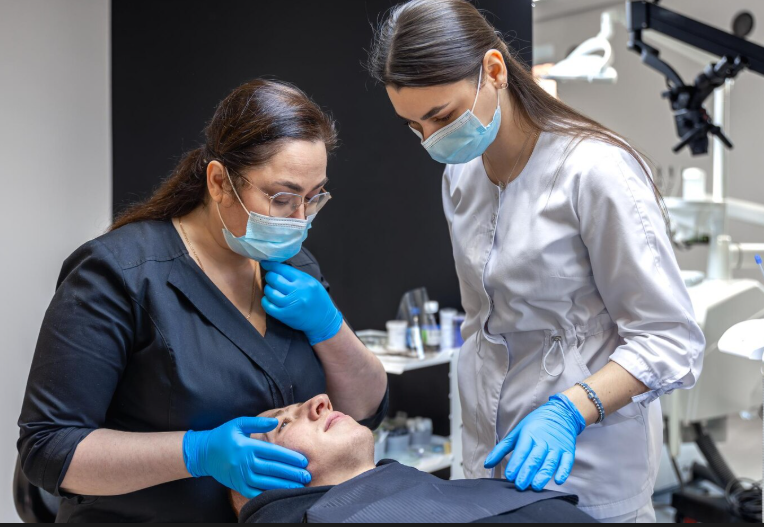
The appointment typically begins with a consultation to discuss the patient’s goals and medical history. The practitioner assesses the facial structure and lip shape to determine the appropriate injection sites and volume of filler needed. They then clean the area and begin the injections. The process involves multiple small injections into specific areas of the upper and lower lips to achieve the desired shape, and the process can take 15 minutes to one hour.
After the injections are complete, the practitioner may gently massage the lips to make sure the product is evenly distributed. Ice may be applied to reduce swelling and bruising, as these are common but temporary side effects. Patients are typically given aftercare instructions, such as avoiding strenuous exercise and excessive heat for the rest of the day.
How Are Fillers Beneficial?
One primary benefit of hyaluronic acid fillers is the ability to control lip volume. The doctor can inject the substance gradually over different appointments until the desired results are achieved. This gradual approach allows for a customized outcome that aligns with the patient’s aesthetic preferences, and this may improve results.
The downtime associated with lip fillers is minimal compared to surgical alternatives. Patients may resume their normal daily activities immediately after the appointment. Some swelling and bruising are expected, but these effects generally subside within a few days.
Know What To Expect
Entering a lip filler appointment with a clear understanding of the procedure enables a smoother experience. From the initial consultation to the final results, being informed allows patients to make decisions that suit their aesthetic goals. Schedule a consultation with a qualified medical professional and learn more about your options.
- Tips for Maintaining Spinal Health Through Chiropractic Care
- How to Choose the Right Sports Medicine Specialist for Your Needs
- The Connection Between Hair Loss Treatment and Overall Scalp Health
- What to Expect in a Session with a PTSD Therapist
- Exploring Ingredients and Formulations in White Label Health and Beauty Products