

For individuals and couples hoping to build a family, understanding the factors that influence fertility is a primary step. One aspect of female fertility is ovulation, the monthly release of an egg from the ovary. When ovulation does not occur regularly or at all, it can make conception challenging. Reproductive medicine at a fertility clinic offers various approaches to address this, one of which is known as ovulation induction.
What Is Ovulation Induction?
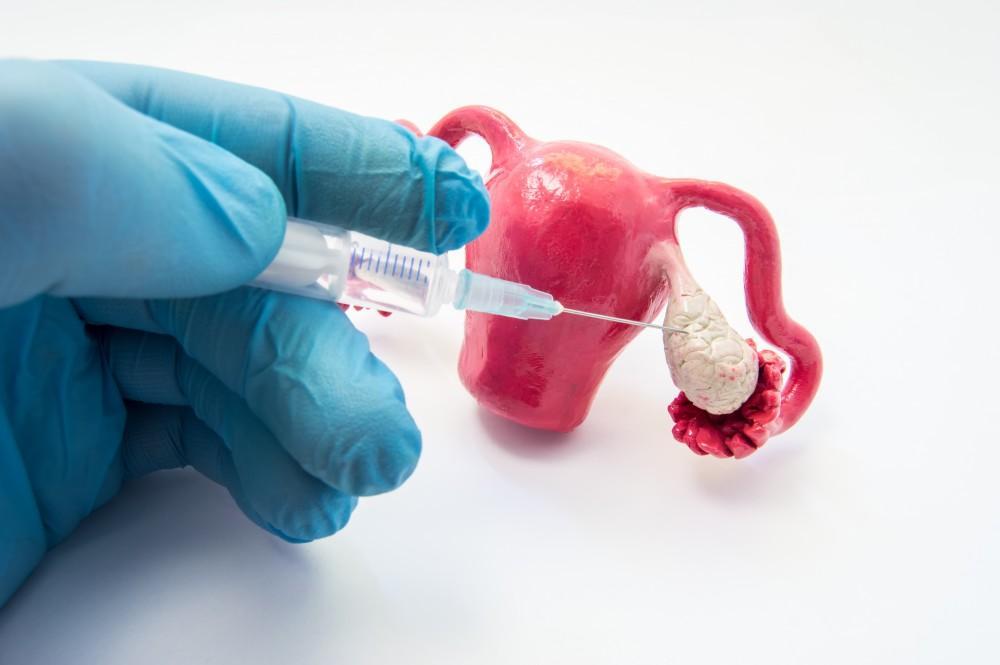
Ovulation induction is a fertility treatment that uses medications to stimulate the development and release of eggs from the ovaries. By managing the ovarian cycle, the treatment helps regulate or trigger ovulation in women with irregular cycles or no ovulation. This medical protocol is a form of treatment for certain types of infertility at a fertility clinic. It can be used in conjunction with timed intercourse or as part of other assisted reproductive technologies, such as intrauterine insemination (IUI).
Who Is It For?
Ovulation induction is recommended for women who experience specific ovulatory dysfunctions. It is a suitable option for those who ovulate infrequently or not at all. Anovulation can stem from various underlying conditions, and identifying the cause helps determine the appropriateness of this treatment.
A common reason for anovulatory infertility is polycystic ovary syndrome (PCOS). This endocrine disorder often disrupts the hormonal balance needed for follicles to mature and release eggs. Ovulation induction can help overcome this hormonal imbalance. Other conditions that may lead a provider to recommend this treatment include certain pituitary or hypothalamic disorders that affect the production of hormones like follicle-stimulating hormone (FSH) and luteinizing hormone (LH).
This treatment may also be suggested for women with unexplained infertility. In these cases, even if ovulation appears to be occurring, stimulating the release of more than one egg might increase the chances of conception during a given cycle. A fertility specialist will conduct a comprehensive evaluation, including hormone testing and imaging tests, to determine if a patient is a suitable candidate for ovulation induction.
What Does It Involve?
The ovulation induction process begins with a thorough fertility assessment. This may include blood tests to measure hormone levels at different points in the menstrual cycle and an ultrasound test to examine the ovaries and uterus. Based on these findings, a fertility specialist develops a personalized treatment plan.
The core of the treatment is the administration of fertility medications. These can be oral medications, such as clomiphene citrate or letrozole. These medications signal the brain to increase the production of hormones that stimulate the ovaries. The choice of medication depends on the specific cause of the ovulatory dysfunction and the patient’s medical history. Throughout the treatment cycle, the patient can undergo regular monitoring. Monitoring allows the physician to adjust medication dosages and track the ovarian response. Once one or more follicles reach an appropriate size, another medication may be administered to trigger the final maturation and release of the egg or eggs.
Visit a Fertility Clinic
Navigating fertility treatments requires guidance from experienced medical professionals. Consulting a fertility specialist is a foundational step for anyone experiencing difficulties with conception. These specialists possess the knowledge to perform a detailed diagnostic workup, identify underlying issues, and recommend a tailored course of action. A professional fertility clinic can offer access to the advanced diagnostic tools and laboratory services that support these treatments.
- Tips for Maintaining Spinal Health Through Chiropractic Care
- How to Choose the Right Sports Medicine Specialist for Your Needs
- The Connection Between Hair Loss Treatment and Overall Scalp Health
- What to Expect in a Session with a PTSD Therapist
- Exploring Ingredients and Formulations in White Label Health and Beauty Products