

Nail fungus is a condition that affects the health and appearance of fingernails and toenails. This infection can cause discomfort if left unmanaged for too long. It is key to recognize the signs early, and management requires a consistent approach to care. Treatments range from topical solutions to prescribed medications, depending on the severity.
Early Nail Changes
Detecting the initial signs of nail fungus often requires close, regular observation of the nail plate. You might notice a small white or yellow spot appearing under the tip of your fingernail or toenail, which signals the potential beginning of an infection. Over time, the nail surface may become slightly brittle, lose its natural shine, or thicken as the condition progresses.
Common Infection Signs
As the fungal infection progresses, you may observe more distinct changes to your nails. Some common signs include:
- Nail Thickening: The nail thickens significantly and becomes more difficult to trim.
- Brittleness: The nail may become brittle, with the edges starting to crumble.
- Separation: In advanced cases, the nail might begin to detach from the nail bed.
Nail Fungus Causes
Fungal organisms thrive in warm, moist environments like public swimming pools, locker rooms, and showers. People who frequently wear tight shoes that cause sweaty feet are at higher risk, or they may be susceptible due to reduced blood circulation and age. Because fungi are microscopic, they can easily enter the skin through tiny, invisible cuts or small separations between the nail and the nail bed.
Treatment Strategy Options
Addressing the infection can involve a multi-faceted approach tailored to the specific severity of the condition. Over-the-counter products are available for mild cases, but severe infections may require stronger prescription medication prescribed by a doctor. A healthcare provider can recommend the most appropriate course of action after thoroughly examining the affected area. Common management approaches include:
- Topical Antifungals: Creams and polishes applied directly to the nail.
- Oral Medications: Systemic drugs that help clear the infection from within.
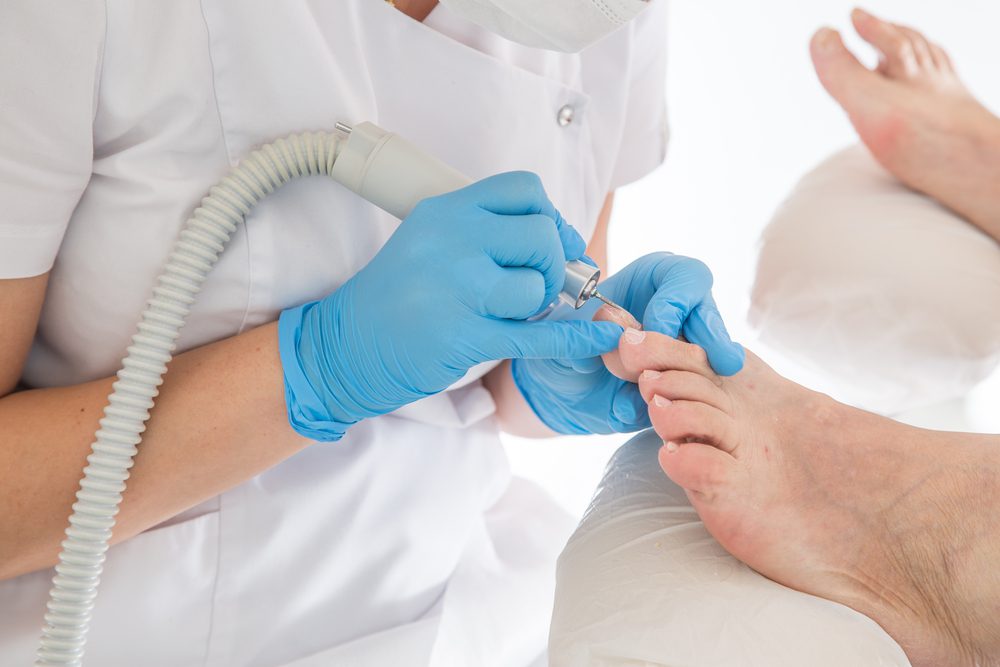
- Debridement: Professional removal of the diseased nail parts to aid in treatment absorption.
- Laser Therapy: Specialized light treatment used to target the fungus.
Long-Term Prevention Steps
Preventing reinfection is key to maintaining long-term nail health. To stop the fungus from returning, keep your feet clean and dry. Change your socks daily, opt for shoes made of breathable materials, and wear protective footwear in public spaces like locker rooms or pools to lower your risk of exposure.
Good hygiene habits support healthy nails. Wash your hands and feet regularly and wear sweat-absorbing socks, changing them during the day if needed. Discarding old shoes or treating them with disinfectants and antifungal powders can also help. Sterilize your nail clippers after each use to avoid spreading the infection.
Take Control of Nail Fungus
Addressing nail fungus can take patience and strict consistency in your chosen treatment plan. While the process can be slow because of how nails grow, the results are worth it for your overall comfort and hygiene. Schedule a consultation with a specialist today and begin working towards clearer, healthier nails.
- Tips for Maintaining Spinal Health Through Chiropractic Care
- How to Choose the Right Sports Medicine Specialist for Your Needs
- The Connection Between Hair Loss Treatment and Overall Scalp Health
- What to Expect in a Session with a PTSD Therapist
- Exploring Ingredients and Formulations in White Label Health and Beauty Products