
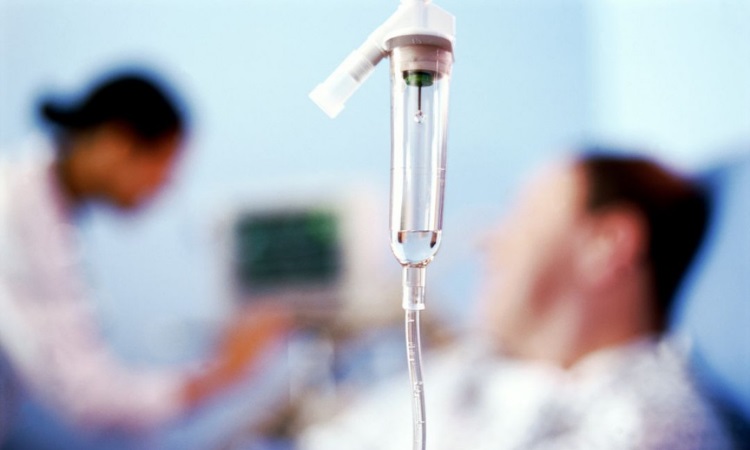

IV therapy delivers fluids and nutrients directly into the bloodstream. This allows these fluids to bypass the digestive system altogether. This method is established in medical environments for hydration and medication delivery. It has also found use in wellness clinics to support rehydration and address nutrient intake.
What Is IV Therapy?
IV therapy is a method in which a solution containing fluids, vitamins, minerals, or medications is administered through a catheter placed in a vein. This process allows substances to enter the circulatory system directly under controlled conditions. This approach is routine in hospitals and clinical settings, where dehydration, the inability to eat or drink, or immediate medication needs require direct infusion. For those unable to take fluids or nutrients orally, IV therapy offers an alternative route.
Formulations can be customized to include specific vitamins, minerals, and electrolytes suited to a patient’s individual requirements. Because nutrients introduced intravenously bypass the digestive tract, they become immediately available in the bloodstream. This aspect is particularly relevant for patients with impaired absorption, as oral supplementation may not provide adequate nutrients.
Who Are They For?
IV therapy is commonly used for hospital patients who are dehydrated, unable to eat or drink, or require rapid medication delivery. Severe gastrointestinal symptoms, such as vomiting or diarrhea, may lead to dehydration. This makes IV fluid replacement suitable. Patients recovering from surgery who are not able to eat for an extended period may also receive IV nutrition.
Wellness clinics may offer IV drips prepared for recovery, supporting hydration and delivering selected nutrients. Individuals seeking additional nutritional support may find dedicated IV formulations appealing. The specific mixture and volume are adjusted according to clinical guidelines based on an individual’s needs and goals. These infusions are always directed by healthcare staff.
What Are the Benefits?
A main benefit of IV therapy is the efficient delivery of fluids and nutrients with high bioavailability. Oral intake of nutrients is subject to breakdown and partial absorption in the gastrointestinal tract. This means that not all nutrients are available systemically. By direct infusion into the bloodstream, this therapy delivers nutrients in full, bypassing digestive losses.
Another advantage is the speed at which fluids and nutrients can act. As the process avoids gastrointestinal processing, these substances are available to the body’s tissues more quickly. This property is especially relevant when rapid rehydration is needed, or when oral intake is not possible or insufficient. Qualified professionals should conduct the process in a controlled setting, as they are equipped to select suitable formulations and monitor the patient.
Pursue Professional Regenerative Medicine
IV therapy provides a direct means of supplying hydration and nutrients, serving as an alternative for those unable to use oral intake or for rapid administration. While not a substitute for good nutrition and overall wellness habits, it may play a role in individual care plans for select individuals. A healthcare provider with expertise in regenerative medicine can assess personal needs, review suitable options, guide patients through available formulations, and determine the most appropriate strategies for health support.
- Tips for Maintaining Spinal Health Through Chiropractic Care
- How to Choose the Right Sports Medicine Specialist for Your Needs
- The Connection Between Hair Loss Treatment and Overall Scalp Health
- What to Expect in a Session with a PTSD Therapist
- Exploring Ingredients and Formulations in White Label Health and Beauty Products