

Varicose veins are a common condition affecting adults, often causing discomfort and cosmetic issues. Understanding the nature of these veins is the first step toward managing them effectively. Here is more information on varicose veins, their causes, symptoms, and management options, including natural remedies and professional treatments:
What Are Varicose Veins?
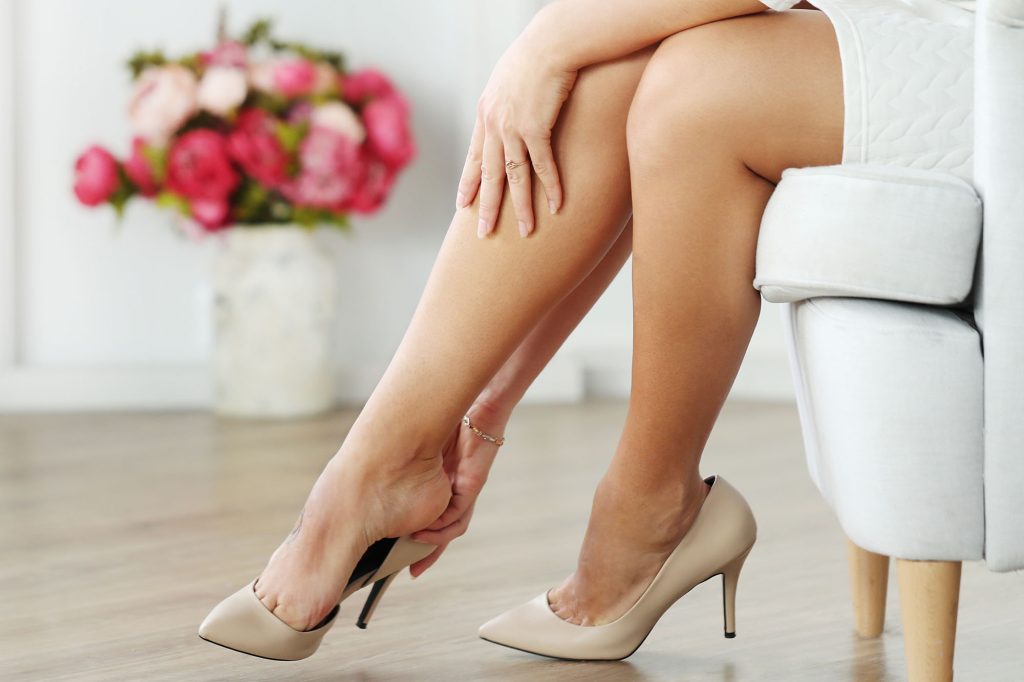
Varicose veins are enlarged, twisted veins that most often appear on the legs and feet. They appear blue or dark purple, and they may be lumpy, bulging, or twisted. This condition occurs when the valves in the veins malfunction, preventing blood from flowing effectively.
Veins have one-way valves that prevent blood from flowing backward as it moves toward the heart. When these valves fail, blood begins to collect in the veins rather than continuing toward your heart. Over time, this causes the veins to enlarge and distort, leading to the condition.
What Causes Them?
Several factors contribute to the development of this condition, often due to increased venous pressure. Age is a primary factor, as veins lose elasticity over time, weakening their valves. Genetics also plays a role, so if your family members have varicose veins, your risk is higher.
Hormonal changes during pregnancy or menopause relax vein walls, and this can lead to the condition. Other factors that increase pressure on the veins include obesity and prolonged standing or sitting. These conditions make it more difficult for blood to travel up the legs against gravity.
What Are the Symptoms?
Symptoms vary from person to person, and some individuals may notice only cosmetic changes. Common physical symptoms include an aching or heavy feeling in the legs, along with burning, throbbing, or muscle cramping. Swelling and discoloration of the skin around a varicose vein are other possible symptoms that potentially indicate more advanced venous disease. It is advisable to monitor these symptoms and consult a professional if they worsen.
What Natural Remedies Can Help?
Lifestyle changes can help manage the symptoms of varicose veins and prevent them from getting worse. Regular exercise, such as walking or swimming, improves blood circulation in the legs, helping alleviate discomfort. These activities help push the blood that has collected in the veins back toward the heart. Maintaining a healthy weight reduces the pressure on your veins, and quitting smoking improves circulation and overall vascular health.
How Is Professional Guidance Beneficial?
For those with more severe symptoms or who seek cosmetic improvement, professional medical treatments are available. These procedures are designed to close off or remove the affected veins, and they are typically performed by a specialist. Consulting with a healthcare provider helps determine the most suitable option for your specific situation.
Sclerotherapy is a treatment in which a solution is injected into varicose veins, causing them to scar and close. This forces blood to reroute through healthier veins, and the collapsed vein is reabsorbed into local tissue. Another option is endovenous laser therapy, which uses laser heat to close off the affected vein, achieving a similar outcome.
Seek Specialized Advice Today
Managing varicose veins involves understanding their causes and symptoms and exploring various management strategies. Lifestyle adjustments, such as regular exercise and maintaining a healthy weight, can offer relief, while professional treatments provide more definitive solutions for severe cases. A specialist will offer a diagnosis and recommend a treatment plan tailored to your needs.
- Tips for Maintaining Spinal Health Through Chiropractic Care
- How to Choose the Right Sports Medicine Specialist for Your Needs
- The Connection Between Hair Loss Treatment and Overall Scalp Health
- What to Expect in a Session with a PTSD Therapist
- Exploring Ingredients and Formulations in White Label Health and Beauty Products