
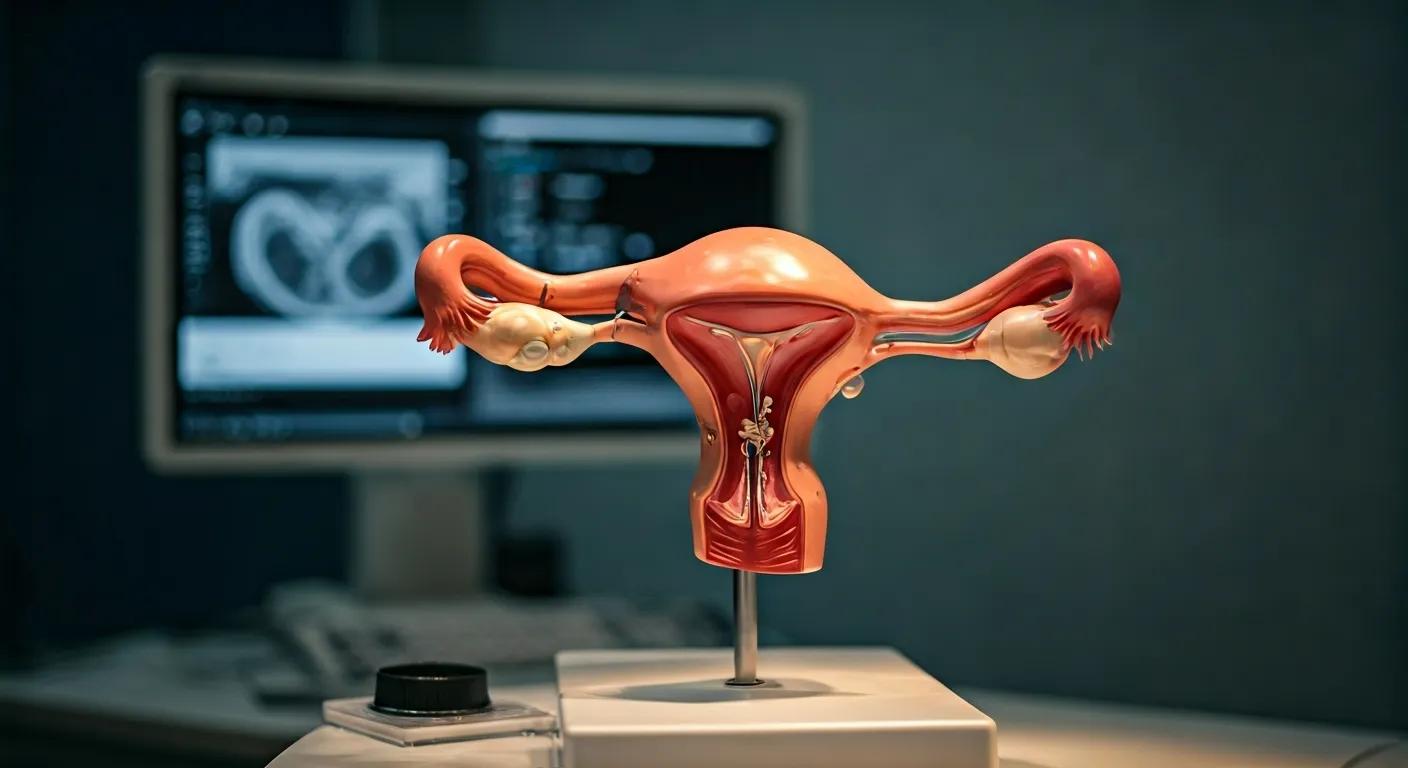

Uterine fibroids are noncancerous growths that develop in or around the uterus. Some women will develop them at some point during their reproductive years, though symptoms vary widely. Because these muscular tumors range in size, they create different health challenges for individuals. Here is more information about fibroids and their potential impact on your health:
Pelvic Pain
Pelvic pain is a primary symptom for many women with fibroids. The growths press against nearby organs, and this pressure creates a persistent, dull ache. You might notice that this discomfort worsens at specific times during your monthly cycle. If the fibroids grow large enough, they may distort the shape of the uterine cavity significantly.
Acute pain sometimes occurs when a fibroid outgrows its blood supply and begins to die. This process is called red degeneration, and the resulting pain may send patients to seek immediate medical help. Sharp, stabbing sensations may replace the usual dull ache during these episodes. You need to understand these signals so you can seek appropriate care quickly.
Sometimes the pain radiates beyond the pelvic region entirely. The location of the fibroid dictates where you feel the most intense pressure or discomfort. A fibroid resting on the bladder can cause urgency, while one near the rectum can cause pressure. These variations make diagnosis tricky without proper imaging tests, such as ultrasounds or MRIs.
Abnormal Bleeding
Women may seek medical advice because their menstrual cycles become unpredictable and incredibly heavy. Since this prolonged bleeding disrupts daily life, it may force some women to monitor their flow constantly. You could find yourself changing sanitary protection much more frequently than usual.
Heavy bleeding may lead to secondary health issues like anemia or severe fatigue. When you lose too much blood, your body struggles to maintain adequate iron levels. You may feel exhausted even after a full night’s sleep due to this deficiency. Doctors typically check iron levels immediately when patients report heavy menstrual bleeding associated with fibroids.
Lower Back Pain
Fibroids do not always limit their impact to the reproductive system or abdomen. Large fibroids growing on the back of the uterus press directly against the spinal nerves. This specific placement triggers persistent lower back pain that rarely responds to standard stretching or rest. Signs that back pain relates to fibroids include:
- Pain that coincides with menstruation
- Aches in the lower lumbar region
- Discomfort that radiates down the legs
Chronic Constipation
Digestive issues may arise when fibroids grow large enough to impact the bowel. The uterus sits directly in front of the colon, so expansion of the uterus pushes against the colon. You could experience difficulty with bowel movements even if your diet includes plenty of fiber. This mechanical obstruction differs from typical digestive problems because it stems from external pressure.
Get Treated for Fibroids
Living with fibroid symptoms requires care, but effective medical solutions exist to help you. You do not have to ignore pain, bleeding, or discomfort. A specialist can evaluate your specific situation and recommend the least invasive path forward. Contact a gynecology clinic today to schedule a consultation and start the process.
- Tips for Maintaining Spinal Health Through Chiropractic Care
- How to Choose the Right Sports Medicine Specialist for Your Needs
- The Connection Between Hair Loss Treatment and Overall Scalp Health
- What to Expect in a Session with a PTSD Therapist
- Exploring Ingredients and Formulations in White Label Health and Beauty Products