

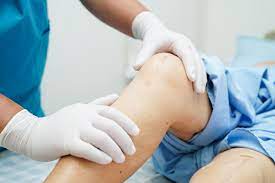

Knee replacement surgery involves resurfacing a damaged knee with artificial components to restore mechanical function. This procedure addresses pain and limited mobility often caused by severe arthritis, trauma, or degeneration. Surgeons remove damaged bone and cartilage, then place metal and plastic implants to recreate the joint surface. Here are some innovations in knee replacement technology:
Robotic-Assisted Surgery
Surgeons now use robotic systems to enhance precision during operations. These platforms do not operate autonomously; instead, they guide the surgeon’s hands based on rigorous preoperative planning. A CT scan can be used to create a 3D model of the patient’s specific anatomy before the procedure begins. This data allows the surgical team to plan the implant positioning with a high degree of accuracy. Real-time feedback during surgery helps the team adjust the plan if soft-tissue tension requires modification.
The robotic arm assists in bone preparation by keeping the saw blade within predefined boundaries. This establishes a safety zone intended to protect surrounding soft tissues and ligaments from accidental damage. By defining the area for bone removal, the technology helps align the implant with the patient’s unique mechanical axis, and this influences how the artificial joint functions mechanically.
Patient-Specific Instrumentation
Patient-specific instrumentation (PSI) utilizes custom-made guides. Manufacturers produce these single-use tools based on MRI or CT scans taken weeks before the scheduled surgery date. Engineers design these cutting blocks to register against the patient’s unique osteophytes and bony landmarks. Because the guides fit onto the bone surface securely, they determine the exact cutting angles required for alignment without manual sizing adjustments. This can reduce the number of instruments needed in the operating room. Efficiency increases when the surgical team spends less time sizing and aligning generic instruments. The guides match the contours of the patient’s femur and tibia, and this secure fit can eliminate the need to drill into the femoral canal to find the mechanical axis.
Biocompatible Materials
Implants must withstand the forces applied during activities like walking, standing, and climbing stairs. Manufacturers utilize advanced alloys and cross-linked polyethylene to improve the durability of these artificial joints. The interface between the metal and plastic components determines the potential lifespan of the knee replacement. Some material options include:
- Highly cross-linked polyethylene: This undergoes a specialized manufacturing process to alter its molecular structure, increasing its resistance to oxidation.
- Oxidized zirconium: This offers a smooth, ceramic-like surface that reduces wear on the plastic spacer.
- Cobalt-chromium: This is a common choice for the femoral component due to its strength and resistance to corrosion.
- Titanium: The tibial component typically consists of titanium because it integrates well with the existing bone.
Porous titanium coatings encourage the patient’s natural bone to grow into the implant surface; this biological fixation stabilizes the device without the need for bone cement. Minimizing the generation of microscopic wear particles is a primary goal of modern materials science. Some newer materials also address metal sensitivity in patients with nickel or other allergies.
Schedule Knee Replacement Surgery
Advancements in medical technology provide refined options for individuals suffering from debilitating knee pain. Factors such as the severity of pain, impact on daily activities, and overall health condition help determine if knee replacement is right for you. Postponing surgery can lead to increased discomfort and decreased mobility, which may affect their quality of life. Contact an orthopedic specialist today to schedule a consultation.
- Tips for Maintaining Spinal Health Through Chiropractic Care
- How to Choose the Right Sports Medicine Specialist for Your Needs
- The Connection Between Hair Loss Treatment and Overall Scalp Health
- What to Expect in a Session with a PTSD Therapist
- Exploring Ingredients and Formulations in White Label Health and Beauty Products