
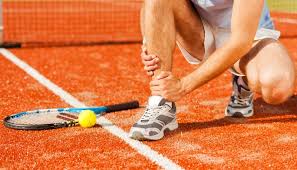

A sports injury may result from overuse, a sudden impact, or improper technique. By understanding how to manage the pain that follows an injury, you can adopt a structured approach to help you return to your activities safely. Here is more information about how to manage pain after a sport injury:
Ice and Rest
Following an injury, immediate care typically involves ice and rest. Apply a cold pack to the affected area to help manage discomfort. You need to protect the injured body part from further strain, so avoid activities that cause pain. A period of rest gives your body time to begin its natural healing process.
By applying ice to numb the area, you can provide temporary pain relief. You might use a cold pack for several minutes at a time. Repeat this several times throughout the day, especially within the first 48 hours. Proper rest means limiting movement and avoiding putting weight on the injury. This break from activity is a key part of initial injury management.
Properly managing the first few days after a sport injury sets the foundation for your recovery. While you rest, you may find that gentle movements that do not cause pain are acceptable. Listen to your body, and do not push through sharp or increasing pain.
Elevation Therapy
Elevation is another component of early injury care. This simple action involves raising the injured limb, and it should be lifted above the level of your heart. When you elevate the injury, gravity helps reduce swelling.
Try to keep the injured area elevated as much as possible, especially when you are sitting or lying down. You can use pillows or cushions for support. Combining elevation with ice and rest provides a multi-faceted approach to initial pain and swelling management.
Pain Medications
Over-the-counter pain relievers are another option for managing discomfort. Medications like ibuprofen or acetaminophen may help reduce pain. It is recommended to follow the dosage instructions on the packaging. They provide temporary relief, allowing you to rest more comfortably. If pain is severe or does not improve, speaking with a healthcare professional is a good next step. They can offer guidance on other pain management strategies.
Rehabilitation Programs
A rehabilitation program is a structured plan to help you regain function. These programs are tailored to your specific injury and recovery goals. A physical therapist guides you through exercises designed to restore strength and mobility. You will progress through different phases of recovery at your own pace.
Rehabilitation starts once the initial pain and swelling have subsided. The program may include:
- Stretching to improve flexibility
- Strengthening exercises to support the joint
- Balancing and coordination drills
The goal is to return you to your previous activity level safely. Sticking to your rehabilitation plan helps reduce the risk of reinjury. The exercises will become more challenging as you get stronger. To prepare to return to sports, this progressive approach builds your body’s resilience. A physical therapist will monitor your progress and adjust the program as needed.
Treat a Sport Injury
The initial steps of rest, ice, and elevation help manage the immediate aftermath. Pain medication may offer temporary relief, while a structured rehabilitation program is designed to restore long-term function. If you have experienced a sports injury and need guidance on your next steps, we are here to help. Contact an urgent care center to schedule a consultation.
- Tips for Maintaining Spinal Health Through Chiropractic Care
- How to Choose the Right Sports Medicine Specialist for Your Needs
- The Connection Between Hair Loss Treatment and Overall Scalp Health
- What to Expect in a Session with a PTSD Therapist
- Exploring Ingredients and Formulations in White Label Health and Beauty Products