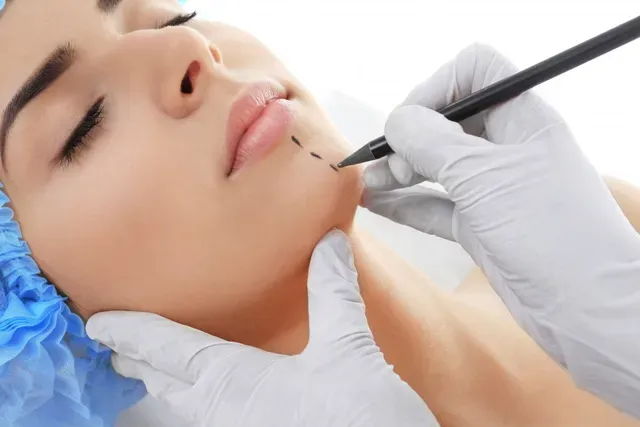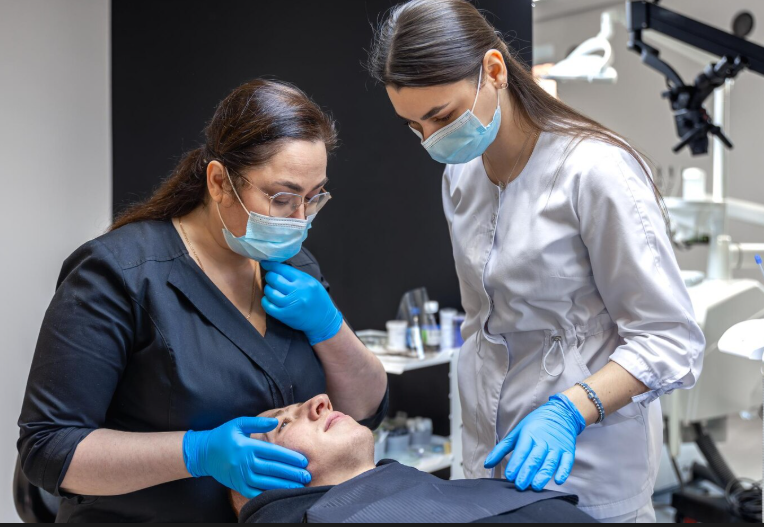



Wellness centers are facilities that offer a range of services to support overall health. These centers provide integrated care and typically include services such as anti-aging treatments, laser hair removal, and overall health guidance. A comprehensive approach looks at multiple aspects of a person’s lifestyle, including what they eat, to develop a complete picture of their well-being. Here is more information about the role of nutrition when taking a wellness center approach:
Body Fuel
The human body requires energy from food to function. The types of food consumed contribute to the body’s available energy resources. While all foods provide calories, their nutritional makeup differs. Macronutrients and micronutrients play various roles in metabolic processes.
Different foods are processed by the body in distinct ways, so your choices affect how your body operates throughout the day. Your activity level determines your daily energy needs. A balanced intake of carbohydrates, proteins, and fats helps maintain steady energy.
Vitamins and minerals, though needed in smaller amounts, support cellular functions and overall health. Proper hydration is also a simple yet key factor in sustaining energy levels. When combined with regular physical activity, a nutrient-rich diet can optimize your body’s ability to function effectively throughout the day.
Immune Support
Nutrients aid the development and maintenance of the immune system. The body uses specific vitamins and minerals to produce and activate immune cells. These nutrients are obtained through the diet. A balanced diet contributes to the normal functioning of these protective systems.
The immune system is complex. It involves many types of cells and proteins with different functions. Nutrients support these various functions, and a varied diet helps supply what the body needs. When the body has access to these building blocks, its systems are better equipped to respond to challenges.
Repair Ability
The body constantly repairs and rebuilds its tissues. This process requires energy and specific nutritional components, especially protein. After physical activity, muscles undergo a repair cycle that uses amino acids from dietary protein. These building blocks help mend muscle fibers.
Specific nutrients also assist in other repair functions. The body has several needs for tissue maintenance, including:
- Bone health support
- Skin cell turnover
- Wound healing processes
Proper nutrition supplies the materials for these ongoing tasks. For example, some minerals contribute to bone density, while certain vitamins support collagen synthesis for skin health. A consistent supply of these nutrients through food helps the body’s natural repair mechanisms work as intended.
Risk Factor Control
Dietary patterns are linked to certain long-term health risk factors. The foods you eat may influence measurements like blood pressure, cholesterol levels, and blood sugar. These are common markers that healthcare providers monitor. Managing these factors is a part of long-term health maintenance.
A diet focused on whole foods, including fruits, vegetables, and lean proteins, can be a useful tool. This type of eating plan provides fiber and other compounds that assist in bodily regulation. It also limits the intake of sodium and added sugars, which may affect health markers over time. Working with a professional at a wellness center gives you a way to create a personalized nutrition plan based on your individual health profile.
Visit a Wellness Center
Professionals at a wellness center can assess various aspects of your health and lifestyle. They use this information to create a personalized plan because everyone’s needs are unique. If you want to learn more about how nutrition fits into a holistic wellness plan, schedule a consultation at a wellness center. You can explore services and find the support that aligns with your personal health objectives.
- Tips for Maintaining Spinal Health Through Chiropractic Care
- How to Choose the Right Sports Medicine Specialist for Your Needs
- The Connection Between Hair Loss Treatment and Overall Scalp Health
- What to Expect in a Session with a PTSD Therapist
- Exploring Ingredients and Formulations in White Label Health and Beauty Products