

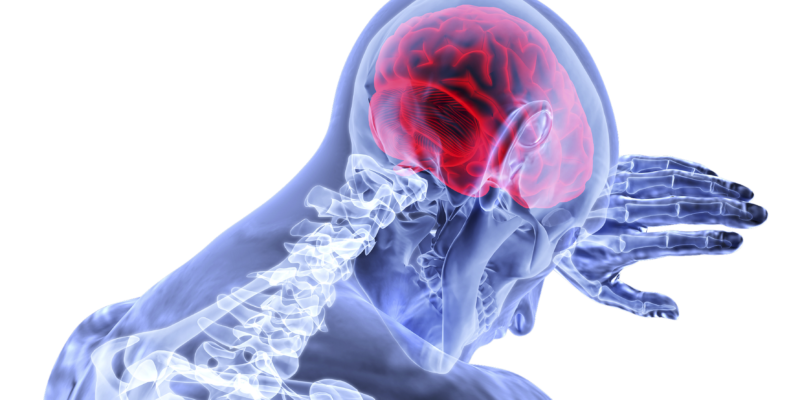

Neurology is a specialized branch of medicine focused on the diagnosis and treatment of disorders related to the nervous system. This complex network includes the brain, spinal cord, and the nerves that connect them to the rest of the body. When this system is affected by injury or disease, it leads to a wide range of conditions, and neurologists are the physicians who identify and manage these issues. Here’s more information on neurology services for common and rare conditions:
What Is a Neurologist?
A neurologist is a medical doctor who specializes in treating diseases of the central and peripheral nervous system. These physicians complete medical school followed by a residency in neurology, where they gain in-depth knowledge of the brain, spinal cord, and nerves. They are skilled at conducting detailed physical examinations, with a particular focus on evaluating motor skills, sensory perception, and cognitive function. Neurologists use advanced diagnostic tools like MRIs, CT scans, and EEGs to visualize the nervous system and assess its activity, which helps them form an accurate diagnosis.
What They Do
Neurologists primarily diagnose and manage conditions with medication and other therapies. They investigate symptoms that can range from headaches and memory loss to seizures and movement problems, working to pinpoint the underlying cause. For treatment and management plans, these physicians often collaborate with neurosurgeons or other specialists when necessary. The goal of neurology healthcare plans is to manage symptoms effectively and improve patients’ functionality.
What the Nervous System Is
The nervous system is one of the most complex systems in the human body, and it’s responsible for controlling and coordinating all bodily functions. Two primary parts make up the nervous system:
- Central Nervous System (CNS): This includes the brain and spinal cord. The brain serves as the control center, processing information and generating responses, while the spinal cord acts as a communication highway. The spinal cord transmits signals between the brain and the rest of the body.
- Peripheral Nervous System (PNS): This consists of all the nerves that branch out from the brain and spinal cord to the rest of the body, including sensory organs, muscles, and glands. The PNS is further divided into the somatic nervous system, which controls voluntary movements, and the autonomic nervous system, which regulates involuntary functions like heartbeat and digestion.
The central and peripheral nervous systems form a highly interconnected network that enables the body to respond to internal and external stimuli.
What Common Conditions Do They Treat?
Neurologists treat a vast array of disorders affecting the nervous system. Many of these are common conditions that affect millions of people worldwide, like chronic headaches and migraines. While occasional headaches are normal, persistent or severe head pain can be debilitating. Neurologists work to identify the type of headache and any potential triggers. They may prescribe preventative or acute medications to manage headache-related pain.
Disorders that affect memory and cognitive function usually need neurological care. Progressive diseases, like Alzheimer’s disease and other forms of dementia, use management plans to support the patient’s cognitive health and independence. Epilepsy is a neurological disorder characterized by recurrent seizures, which are sudden surges of electrical activity in the brain. Neurologists are experts in diagnosing epilepsy, commonly utilizing anti-seizure medication to control or prevent seizure activity.
What Rare Conditions Do They Treat?
Neurologists are also invaluable for diagnosing and managing rare and complex neurological conditions. These disorders can be challenging to identify because their symptoms may mimic other, more common illnesses. This is why these specialists closely monitor patients to accurately diagnose their conditions.
Encephalitis is a serious condition involving inflammation of the brain, often caused by an infection or an autoimmune response. Its symptoms often appear suddenly and may include fever, headache, confusion, and seizures. A neurologist must act quickly to diagnose the cause and initiate treatment to reduce brain swelling.
One rare condition is normal pressure hydrocephalus (NPH), which typically affects older adults. NPH occurs when excess cerebrospinal fluid accumulates in the brain’s ventricles, causing problems with walking, cognitive function, and bladder control. Because its symptoms overlap with other age-related conditions like Parkinson’s and Alzheimer’s, a neurologist’s expertise is key to making a diagnosis.
Contact a Neurology Specialist
The nervous system is intricate, and its disorders can significantly impact your health and well-being. If you are experiencing neurological symptoms, contact a neurologist today for a consultation. A qualified neurologist can perform a thorough evaluation, provide an accurate diagnosis, and create an appropriate management plan.
- Tips for Maintaining Spinal Health Through Chiropractic Care
- How to Choose the Right Sports Medicine Specialist for Your Needs
- The Connection Between Hair Loss Treatment and Overall Scalp Health
- What to Expect in a Session with a PTSD Therapist
- Exploring Ingredients and Formulations in White Label Health and Beauty Products