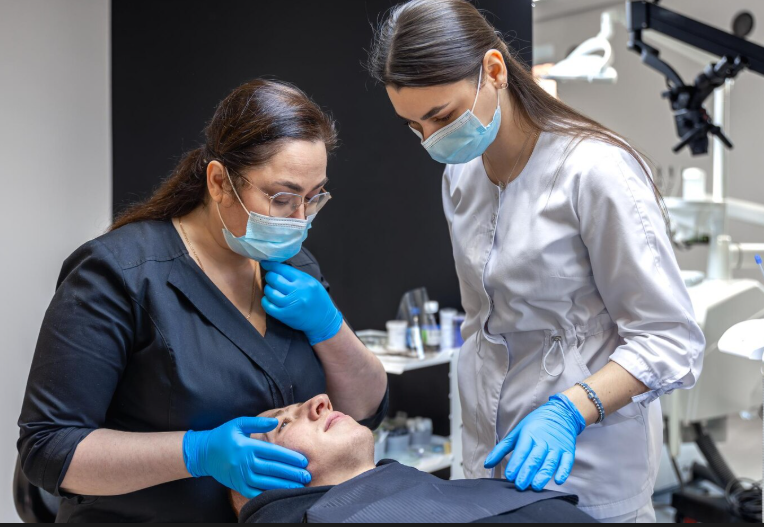

An ophthalmologist is a medical doctor who specializes in comprehensive eye and vision care. They are trained to perform eye exams, diagnose and treat disease, prescribe medications, and perform eye surgery. Understanding their role is the first step in seeking appropriate care for complex eye conditions. Here is more information on the role of ophthalmologists and what you can expect from glaucoma laser surgery:
What Are Ophthalmologists?
Ophthalmologists are eye doctors who handle various aspects of eye health, from routine vision correction to complex surgical interventions. They are distinct from optometrists and opticians, as they are licensed to practice medicine and surgery. Their medical training allows them to recognize the relationship between eye conditions and other systemic diseases, such as diabetes or autoimmune disorders. This perspective allows them to provide holistic care for patients whose eye health may be affected by other medical issues.
What Services Do They Offer?
Ophthalmologists offer a full range of eye care services, including vision exams. They diagnose and treat a variety of eye diseases, including glaucoma, cataracts, and macular degeneration. They also perform surgical procedures for these and other conditions. In addition to disease management, ophthalmologists prescribe eyeglasses and contact lenses to correct vision problems, and they offer comprehensive care for eye injuries.
What Is Glaucoma Laser Surgery?
Glaucoma is a condition that damages the optic nerve, often due to high pressure inside the eye, and it can lead to vision loss if untreated. Glaucoma laser surgery is a procedure designed to lower this intraocular pressure. One specific type of laser surgery is laser cyclophotocoagulation.
Laser cyclophotocoagulation targets the ciliary body, which is the part of the eye that produces the clear liquid called aqueous humor. By reducing the production of this fluid, the procedure lowers intraocular pressure. It is typically used for patients whose glaucoma has not responded to medications or other types of surgery.
What Does It Involve?
The laser cyclophotocoagulation procedure is generally performed on an outpatient basis, so an overnight hospital stay is usually not required. Before the procedure, the ophthalmologist will numb the eye with anesthetic drops or an injection to minimize discomfort. A special laser instrument is then used to apply energy to the ciliary body.
The treatment itself is relatively quick, and patients can typically return home the same day. Post-procedure care involves using prescribed eye drops to control inflammation and prevent infection. Follow-up appointments are scheduled to monitor eye pressure and overall eye health.
What Are the Benefits?
The primary benefit of laser surgery is the reduction of intraocular pressure, which helps to slow the progression of glaucoma and preserve vision. For some patients, it can reduce the need for daily glaucoma medications, which simplifies their treatment regimen. Because it is an outpatient procedure, recovery may be faster compared to incisional surgeries. It can be a suitable option for individuals who are not good candidates for other surgical treatments, so it provides a valuable alternative.
Visit an Ophthalmologist Today
Ophthalmologists are medical specialists equipped to handle a wide range of eye health issues, from routine examinations to complex procedures like glaucoma laser surgery. Laser cyclophotocoagulation offers a targeted approach to lowering eye pressure for individuals with glaucoma. If you have questions about your eye health or have been diagnosed with glaucoma, consult with an ophthalmologist. They can provide a thorough evaluation, discuss a tailored treatment plan for your specific needs, and determine whether a procedure such as laser surgery is right for you.
- Tips for Maintaining Spinal Health Through Chiropractic Care
- How to Choose the Right Sports Medicine Specialist for Your Needs
- The Connection Between Hair Loss Treatment and Overall Scalp Health
- What to Expect in a Session with a PTSD Therapist
- Exploring Ingredients and Formulations in White Label Health and Beauty Products