

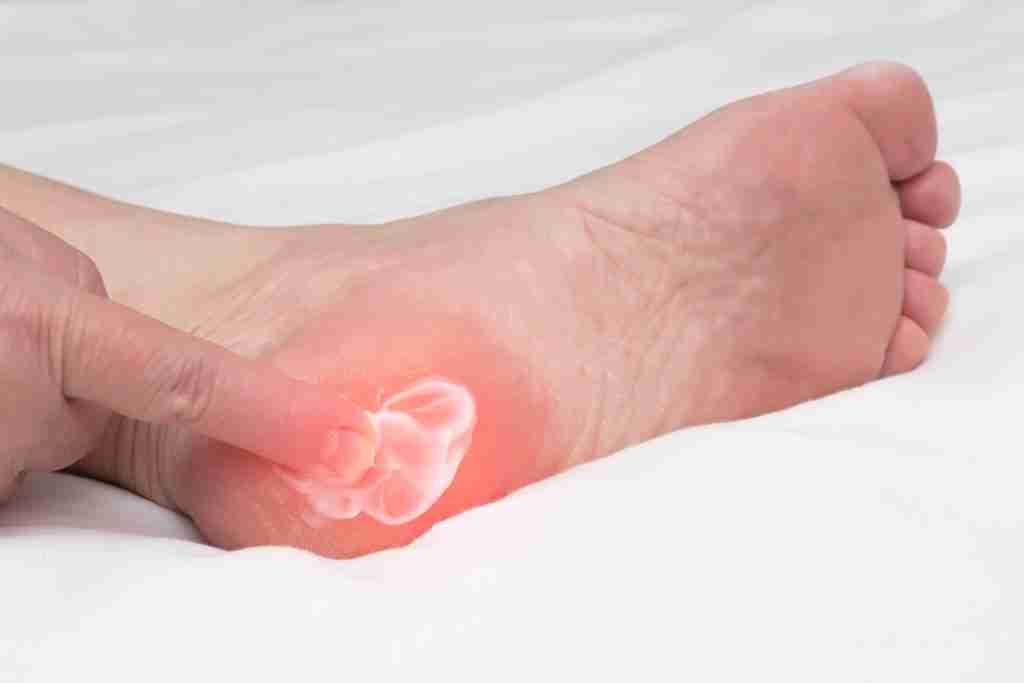

Plantar fasciitis is a common cause of sharp heel pain, especially when taking the first steps in the morning. It occurs when the plantar fascia, a thick band of tissue connecting the heel to the toes, becomes inflamed. While it can be frustrating, the pain can improve with proper treatment. Doctors may recommend a plan to reduce pain, support your foot, and fix the root cause of the problem.
Reduce Inflammation First
Managing plantar fasciitis begins with reducing inflammation to alleviate pain and prepare for further treatment. Your doctor may recommend home measures to initiate the healing process. Addressing inflammation promptly is beneficial, as chronic discomfort can result if it’s left untreated. To manage inflammation and pain, physicians often recommend the following actions:
- Rest: Limiting or modifying activities that put stress on the feet, such as long periods of standing or high-impact exercise, gives the plantar fascia time to heal.
- Ice: Applying an ice pack to the affected heel several times a day can help reduce swelling and numb the painful area.
- Medication: Over-the-counter nonsteroidal anti-inflammatory drugs (NSAIDs) may be recommended to help manage pain and reduce inflammation.
Support the Foot
Properly supporting the arch of the foot helps reduce strain on the plantar fascia, as daily activities can aggravate the tissue and prevent healing without it. A doctor will evaluate your footwear and foot mechanics to determine the best way to provide this necessary support. This can be achieved through:
- Appropriate Footwear: Selecting shoes with good arch support and a cushioned sole is an effective measure. It is best to avoid flat shoes, flip-flops, or walking barefoot on hard surfaces.
- Orthotic Inserts: Over-the-counter or custom-molded orthotic inserts can provide significant relief. These are placed inside shoes to help distribute pressure more evenly across the foot and support the arch.
Restore Flexibility
Tight calf muscles and the Achilles tendon can lead to plantar fasciitis. When they’re tight, they pull on the heel and put extra pressure on the plantar fascia. Regular stretching can help. Simple stretches can help loosen these muscles, reduce strain, and improve the function of your foot. These exercises are easy to do and can be incorporated into any daily routine.
Strengthen Key Muscles
Strengthening the small muscles in the foot and lower leg can stabilize the arch and improve foot mechanics, reducing strain on the plantar fascia. A targeted exercise program, guided by your physician or physical therapist, can build a stronger foundation and prevent future flare-ups. Exercises like towel curls or marble pickups help engage foot muscles, complementing flexibility work for a comprehensive recovery.
Overcome Plantar Fasciitis
To manage plantar fasciitis, you need to reduce swelling, support your foot, and improve its flexibility and strength. This approach helps with both the pain and the causes of the condition. Recovery requires time and effort, but a good treatment plan can provide lasting relief. If you experience heel pain that may be caused by plantar fasciitis, consulting a doctor is beneficial. A specialist can give a diagnosis and create a personalized treatment plan just for you.
- Tips for Maintaining Spinal Health Through Chiropractic Care
- How to Choose the Right Sports Medicine Specialist for Your Needs
- The Connection Between Hair Loss Treatment and Overall Scalp Health
- What to Expect in a Session with a PTSD Therapist
- Exploring Ingredients and Formulations in White Label Health and Beauty Products