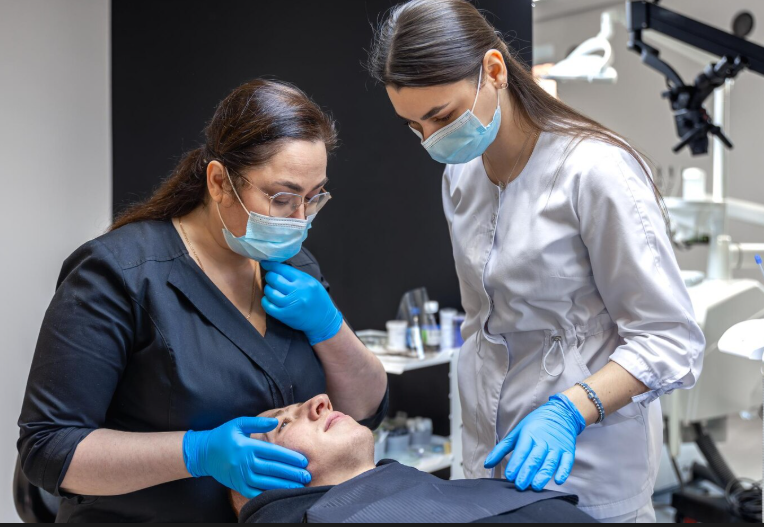



An appointment with orthopedic surgeons is a step toward understanding and addressing pain or injury related to the musculoskeletal system. Your first visit is a comprehensive evaluation designed to identify the source of your symptoms and discuss a path forward. This initial consultation typically involves a detailed discussion of your medical history, a physical examination, and a review of your symptoms to establish a clear understanding of your condition.
What Conditions Do Orthopedic Surgeons Address?
Orthopedic surgeons manage a wide spectrum of musculoskeletal issues. These conditions can be acute, like an injury from a fall, or chronic. They affect people of all ages and can impact any part of the body. Common problems addressed include those affecting the hands and wrists, such as carpal tunnel syndrome. They also treat issues in the shoulder, like rotator cuff tears and instability. Degenerative conditions, such as arthritis, are frequently managed by orthopedic specialists.
Bone fractures are another primary area of focus. Orthopedic surgeons are trained to set broken bones and provide care to support proper healing. They also treat injuries to soft tissues. Tendonitis, which is the inflammation of a tendon, and ligament sprains are regularly diagnosed and managed. The scope of orthopedics is broad, encompassing a wide range of conditions, from sports injuries to disorders and degenerative diseases.
How Are They Diagnosed?
The diagnostic process is methodical and begins with a thorough conversation. Your surgeon may ask about your symptoms, when they started, what makes them better or worse, and how they affect your daily activities. A review of your overall medical history provides valuable context.
Following the discussion, a physical examination can be performed. This may involve assessing the affected area for swelling, tenderness, and range of motion. The surgeon may ask you to perform specific movements or tests to evaluate your strength, sensation, and reflexes. This hands-on evaluation helps pinpoint the anatomical structures that may be involved.
Based on the initial findings, your surgeon may recommend further diagnostic tests to gather more information. Imaging studies are commonly used. An X-ray can reveal bone fractures, arthritis, or alignment issues. An MRI scan provides detailed images of soft tissues like muscles, tendons, and ligaments. A CT scan offers cross-sectional views of bones and can be useful for complex fractures. Diagnostic arthroscopy, a minimally invasive procedure, may be suggested to examine a joint directly.
How Are They Treated?
Treatment plans are tailored to each person’s specific diagnosis, lifestyle, and goals. Conservative options may include modifying activity to rest the affected area and avoiding movements that aggravate the condition. Bracing or splinting can provide support and stability to an injured joint or limb. Physical therapy is a frequent component of treatment, involving exercises designed to restore strength, flexibility, and range of motion. Your surgeon might also discuss medications to manage pain and inflammation or recommend therapeutic injections for targeted relief.
When non-operative treatments do not provide sufficient relief, or for certain types of injuries, surgical intervention may be discussed. Orthopedic surgery encompasses a variety of procedures. Some are minimally invasive, performed through small incisions using specialized instruments and cameras. The type of surgery proposed will depend on the specific condition, the extent of the damage, and your overall health.
Seek Professional Orthopedic Care
During the consultation, open communication facilitates a shared decision-making process. Your surgeon will explain the diagnosis and present the available treatment options, outlining the potential benefits and risks of each. Follow-up care is a standard part of the orthopedic process. After your initial visit, you may have subsequent appointments to monitor your progress, adjust your treatment plan, or oversee your recovery.
- Tips for Maintaining Spinal Health Through Chiropractic Care
- How to Choose the Right Sports Medicine Specialist for Your Needs
- The Connection Between Hair Loss Treatment and Overall Scalp Health
- What to Expect in a Session with a PTSD Therapist
- Exploring Ingredients and Formulations in White Label Health and Beauty Products