
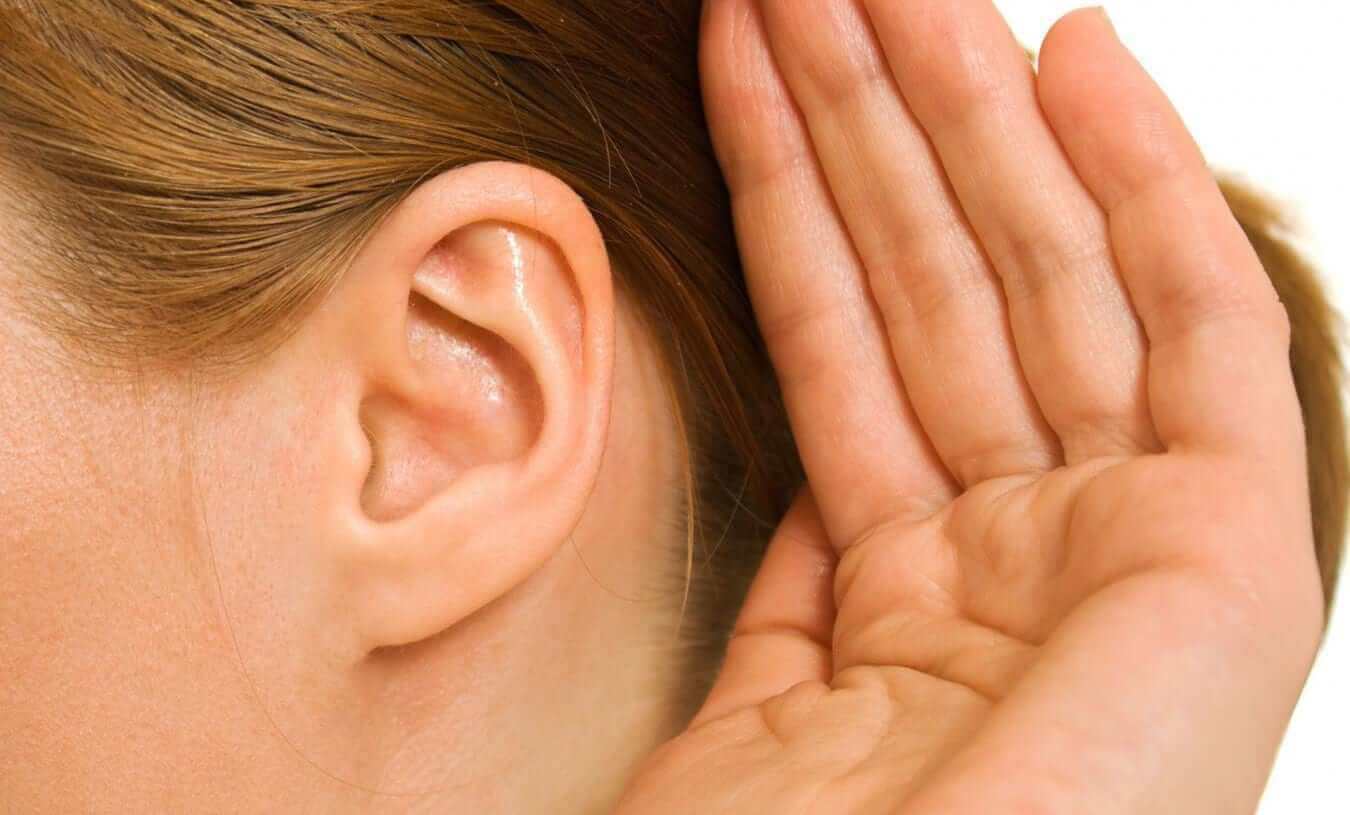

An eardrum perforation is a hole or tear in the tympanic membrane, which is the thin sheet of tissue that separates the ear canal from the middle ear. This condition may occur due to a middle ear infection, a sudden loud noise, or a direct blow to the ear or head. People with a perforated eardrum may experience symptoms such as ear pain and hearing loss. Here are some treatment options and recovery information for eardrum perforation:
Natural Healing
An eardrum perforation often heals on its own without requiring invasive treatment. Healing timelines can range from several weeks to a couple of months, depending on the size of the perforation and the person’s overall health. During this period, keep your ear dry to minimize the risk of infection, as water entering the ear canal may introduce bacteria. Wearing a shower cap or using waterproof earplugs during showers are options to maintain dryness. Avoid swimming or submerging the ear in water until your healthcare provider confirms the healing process has been completed. Being mindful of daily activities, such as not inserting objects into the ear or forcefully blowing the nose, helps reduce the risk of increased trauma.
Prescribed Antibiotics
Antibiotics may be required for an existing ear infection or if your healthcare provider determines there’s a risk of one due to the perforation. These medications are typically prescribed as ear drops that target bacteria directly, but oral antibiotics may be used for a broader infection. The antibiotics help limit bacterial growth, minimizing the likelihood of complications that interfere with recovery.
Medication is typically taken for a specified number of days, as instructed by your healthcare provider. If you experience persistent discomfort, unusual drainage, or changes in hearing while taking antibiotics, these should be reported promptly. Delaying treatment for an ear infection could contribute to longer recovery periods or additional medical needs.
Eardrum Patch
When an eardrum tear does not heal over time, myringoplasty may be suggested. In this minor office procedure, an ear specialist seals the rupture with a patch. They apply a specialized chemical to the edges of the perforation. This stimulates local tissue growth and prepares the site for patching. A sterile paper patch is then placed over the hole in the eardrum. The patch acts as a temporary scaffold, encouraging your body to generate new tissue and gradually close the opening. The process can be completed in a single office visit, and you may go home soon after.
Ear Surgery
If the perforation remains open despite other measures or if the tear is large, surgery may be recommended. A common surgical approach is tympanoplasty, which involves grafting tissue from another part of your body onto the eardrum. The operation is typically performed under anesthesia, allowing you to remain comfortable and immobile during the procedure.
Tympanoplasty is usually an outpatient surgery, and patients often return home the same day to recover. Recovery instructions may include keeping the ear dry, avoiding heavy lifting, and attending follow-up appointments to monitor the healing graft. This surgical repair closes the hole and is intended to help protect the middle ear from future infections or injury.
Treat Eardrum Perforation Today
If you have a perforated eardrum, prompt and appropriate action supports your recovery. Some people recover with time and self-care, while others need medication or medical procedures such as patching or surgery. If you notice symptoms such as ear pain, drainage, or difficulty hearing, seeking professional support is a practical step. Contact an ear clinic today to schedule a consultation and learn about treatment options.
- Tips for Maintaining Spinal Health Through Chiropractic Care
- How to Choose the Right Sports Medicine Specialist for Your Needs
- The Connection Between Hair Loss Treatment and Overall Scalp Health
- What to Expect in a Session with a PTSD Therapist
- Exploring Ingredients and Formulations in White Label Health and Beauty Products