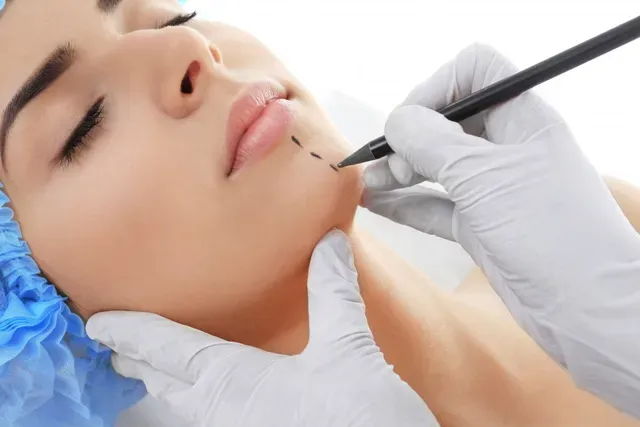

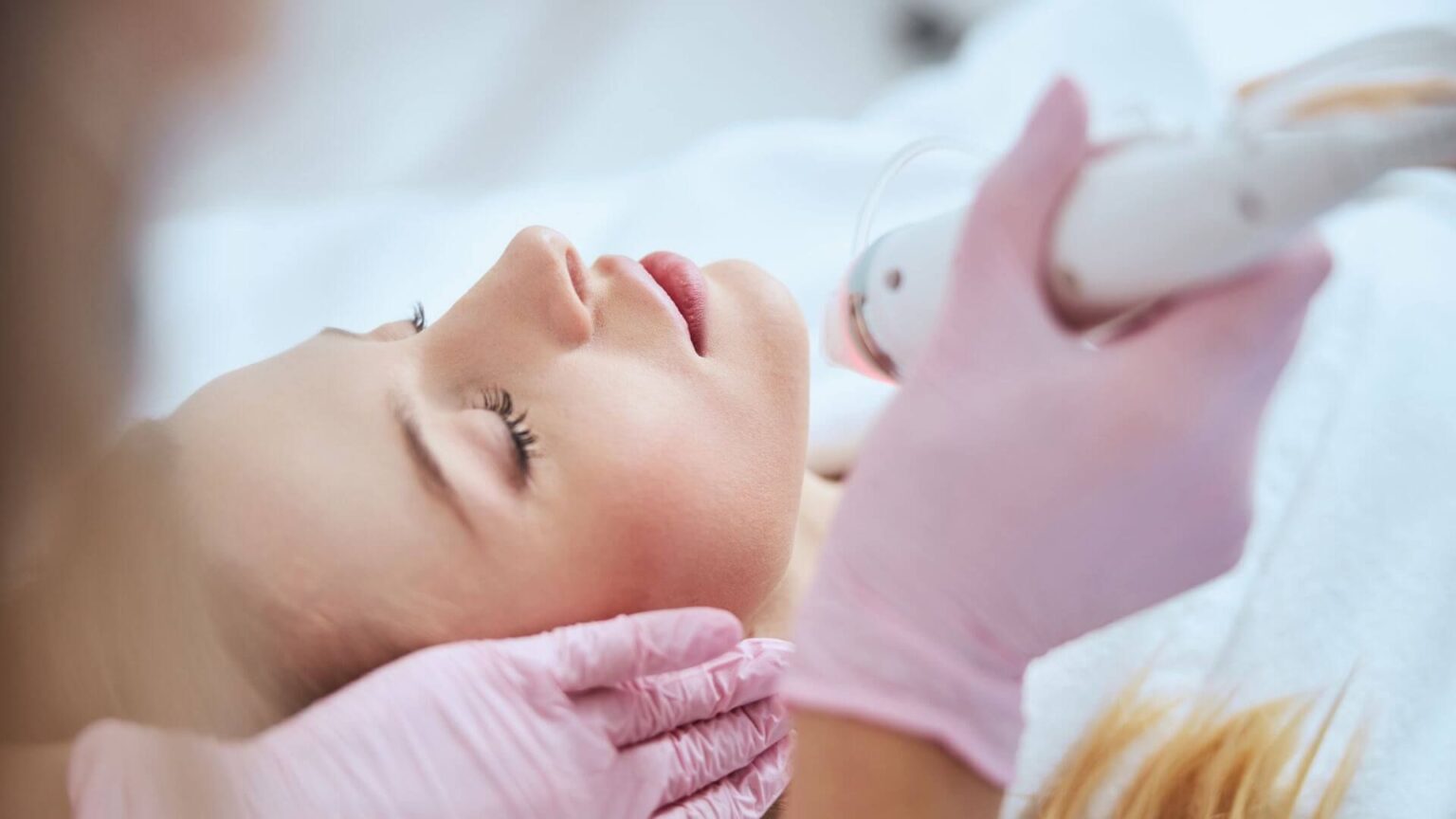

Chemical peels are a type of skincare treatment that involves applying a chemical solution to the skin. This process is designed to remove the outer layers of the skin. The new, regenerated skin is typically smoother than the old skin. Here is some information about the different types of chemical peels:
Superficial Peels
Superficial peels are the mildest form of chemical peel available. These peels use gentle acids, such as alpha-hydroxy acids (AHA) like glycolic acid, or beta-hydroxy acids (BHA) like salicylic acid, to provide exfoliation. The primary target of superficial peels is the outermost layer of the skin, known as the epidermis.
During a superficial peel procedure, the solution is carefully applied and left on the skin for a designated amount of time before being neutralized or washed off. You might notice a mild stinging or tingling sensation while the solution is active. After treatment, the skin could look slightly red or feel tight, similar to a mild sunburn. Some people experience peeling or flaking over the following days, which is part of the exfoliation process. Superficial peels are usually well-tolerated, with minimal downtime. Because these peels are mild, multiple sessions over time are often recommended for effective results.
Medium Peels
Medium peels penetrate deeper into the skin, targeting the upper layers of the dermis, which lies beneath the epidermis. Trichloroacetic acid (TCA) is commonly used for these peels, either alone or in combination with other acids, such as glycolic acid. Medium peels are frequently selected for individuals seeking a more noticeable improvement in skin texture or tone.
After cleansing the skin, the peeling solution is applied for several minutes. You may experience a stronger stinging sensation or some warmth on the skin during the treatment. Redness and swelling often follow the procedure and are more pronounced than with superficial peels.
In the days after treatment, the skin typically darkens and begins to peel, revealing smoother skin underneath as healing progresses. Some individuals experience crusting or visible patches of peeling skin. Supportive care, such as applying moisturizer and avoiding sun exposure, helps protect the new skin.
Deep Peels
Deep chemical peels go beyond the surface to reach the lower layers of the dermis. They typically use strong chemical agents such as phenol. Due to their intensity, deep peels are reserved for addressing significant skin texture concerns or pronounced irregularities. They may be beneficial if you have:
- Moderate lines and wrinkles
- Extensive sun-damaged skin
- Deep acne scars
- Blotchy skin
- Actinic keratosis
The deep peel procedure is usually administered by experienced healthcare professionals in a controlled environment. You may be supported with pain management techniques and careful monitoring. The recovery period for deep peels is typically longer, often extending over several weeks. Significant redness, swelling, and peeling are expected, and these effects can last for an extended period. Strict sun protection and following specific aftercare instructions are recommended to protect the sensitive new skin and reduce the risk of complications.
Learn More About Chemical Peels
Understanding the distinctions between superficial, medium, and deep chemical peels gives you a clearer perspective on your options. Each type involves different techniques, recovery times, and outcomes. Balancing the depth of peel and expected healing time helps you prepare for a smoother experience. To learn more about how chemical peels may fit into your skincare routine, contact a licensed provider today for a consultation.
- Tips for Maintaining Spinal Health Through Chiropractic Care
- How to Choose the Right Sports Medicine Specialist for Your Needs
- The Connection Between Hair Loss Treatment and Overall Scalp Health
- What to Expect in a Session with a PTSD Therapist
- Exploring Ingredients and Formulations in White Label Health and Beauty Products